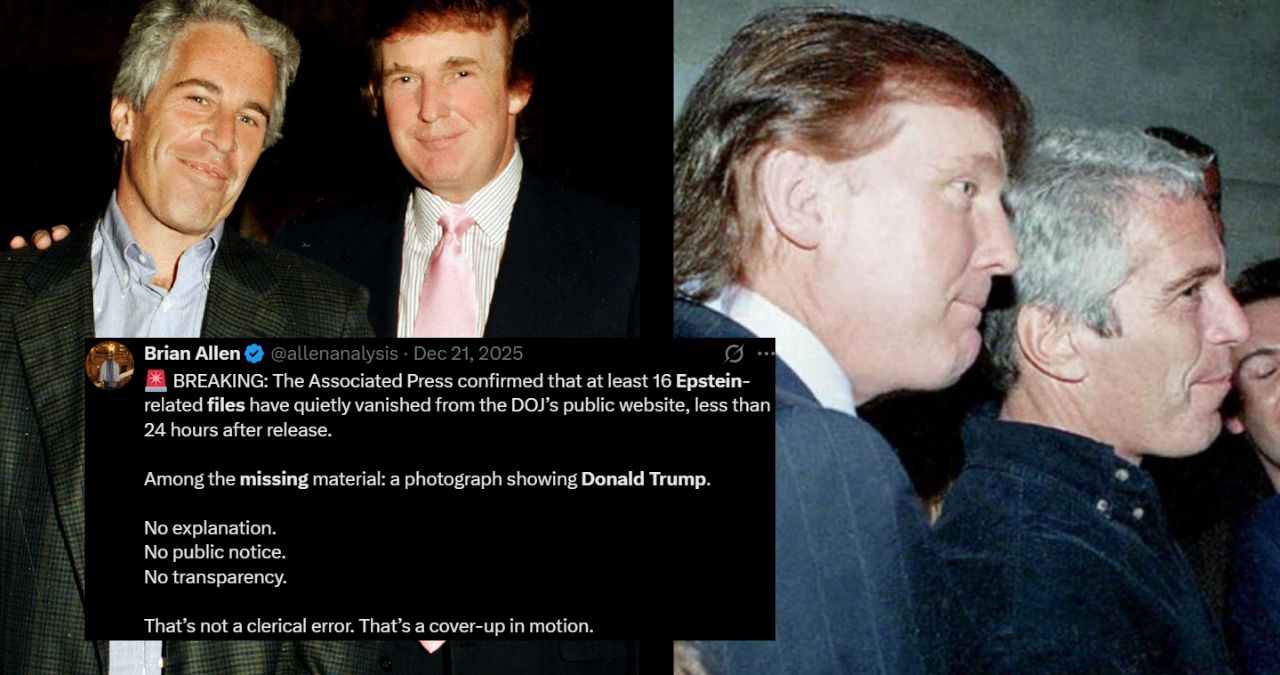

Newly identified omissions in the public release of documents related to the Jeffrey Epstein case have ignited a political controversy in Washington, D.C., with accusations of secrecy and preferential treatment directed at federal officials.
The controversy centers on a tranche of court records unsealed earlier this year from a settled civil lawsuit. While the release provided thousands of pages of material, investigators and journalists reviewing the files have reported apparent gaps. These include references to individuals whose corresponding testimonies or exhibits were not included, and redactions that some legal analysts argue appear inconsistent.
Core of the Controversy
The focus of the debate is whether the process of redacting and releasing the documents was conducted with complete neutrality. Critics, including some members of Congress and transparency advocates, allege that the omissions may have been strategically made to protect powerful individuals from public scrutiny. They point to specific instances where names mentioned in released contexts do not have accompanying statements available, creating an incomplete picture.
Proponents of the release process, including representatives from the court and the Department of Justice, have defended the actions as legally necessary. They state that all redactions and exclusions were made strictly in compliance with federal law, court orders, and privacy statutes designed to protect victims, unrelated third parties, and ongoing investigative matters.
Political Reactions and Demands
The issue has quickly taken on a partisan dimension. Legislators from opposing parties have issued conflicting statements. Some have called for a congressional investigation into the handling of the document release, demanding full transparency and the publication of any withheld material that does not legally require protection.
Other officials have cautioned against politicizing a judicial process, emphasizing that the independent court, not political actors, oversaw the unsealing procedure. They argue that further releases must continue to adhere to the established legal framework to preserve the integrity of the judicial system and victim protections.
Broader Implications for Transparency
This incident has reignited a longstanding debate about government transparency, particularly in cases involving high-profile individuals and sensitive allegations. Advocacy groups are using the situation to push for stronger federal sunshine laws and more uniform standards for the release of court records in cases of significant public interest.
Legal experts note that the tension between public right-to-know and individual privacy rights is a constant challenge in the judicial system. The Epstein document release, given its scale and notoriety, has become a flashpoint for this conflict, testing existing protocols and public trust in institutional processes.
The expected next steps involve continued pressure from congressional committees, which may hold hearings or issue subpoenas to obtain more information about the redaction process. Simultaneously, media organizations and independent legal teams are likely to file additional motions in court seeking the release of specific withheld documents, a process that could extend for months as judges review the requests against legal standards for privacy and secrecy.
Source: Mashable