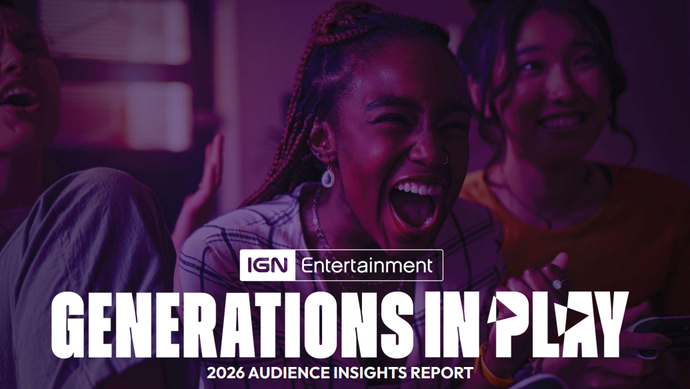

A new public report analyzing entertainment consumption habits across three generations has been released by IGN Entertainment (IGNE), the parent organization of GamesIndustry.biz. The study was developed in association with Kantar, a data analytics and brand consulting firm, and UC Berkeley, the public research university in California.
The report is based on detailed polling of thousands of highly committed content consumers in the United States, the United Kingdom, and Australia. According to IGN Entertainment, the data reveals diverging consumption habits among three distinct generations of media audiences.
IGN Entertainment made the decision to publish what it described as internal data as a public report. The company stated that the findings were intended to offer a transparent view of shifting audience behaviors in the global entertainment market.
Study methodology and scope
Kantar and UC Berkeley collaborated with IGN Entertainment to design and conduct the survey. The research focused on individuals who self identified as highly engaged with content, including gaming, streaming video, and social media.
The polling was conducted in the US, UK, and Australia. These three markets were selected due to their mature entertainment industries and high rates of digital media consumption. The sample included thousands of respondents across different age groups.
The data was collected and analyzed using quantitative survey methods. Kantar provided expertise in consumer behavior analytics, while UC Berkeley contributed academic oversight and research validation.
Generational consumption patterns
The report identifies distinct habits among three consumer generations. While the full dataset has not been publicly released in its entirety, IGN Entertainment stated that the findings highlight key differences in how each age demographic engages with entertainment platforms and content formats.
Younger consumers, including Gen Z and younger Millennials, were found to favor short form video content and interactive media such as live streaming and gaming. Older generations, including Gen X and Baby Boomers, showed stronger preferences for traditional long form programming and recorded media.
The study also examined how each generation discovers new content. Word of mouth and social media algorithms were cited as the primary discovery methods for younger audiences, while older groups relied more on curated lists and editorial recommendations.
Implications for the entertainment industry
IGN Entertainment noted that the diverging consumption habits present both opportunities and challenges for content creators and distributors. Companies seeking to reach multiple generations may need to adopt multi platform strategies that cater to different viewing and interaction preferences.
The report comes at a time when the global entertainment sector is undergoing rapid change. Streaming services, gaming platforms, and social media networks are competing for audience attention across an increasingly fragmented media landscape.
Kantar and UC Berkeley have not released independent statements regarding the study beyond their collaboration with IGN Entertainment. The full report is available on the GamesIndustry.biz website for public access.
Looking ahead
IGN Entertainment has indicated that it may publish additional data from the study in the coming months. The company has not specified a timeline for further releases or whether the report will be updated with new polling data.
Industry analysts expect that the findings will be used by entertainment companies to refine their content strategies and advertising approaches. The study’s focus on highly committed consumers, a segment that drives a disproportionate share of engagement and revenue, could influence how media firms prioritize their investments.
Further academic analysis of the data by UC Berkeley researchers is possible, though no formal announcement has been made at this time.
Source: GamesIndustry.biz