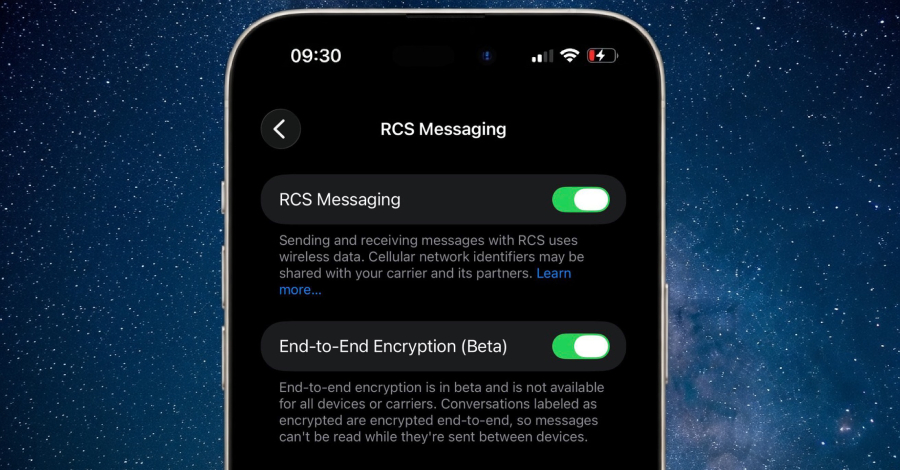

Apple has introduced a significant upgrade to its messaging infrastructure by enabling end-to-end encryption for RCS communications in its latest developer beta software. The feature was made available for testing on Monday within the iOS and iPadOS 26.4 beta releases. This move marks a pivotal step in enhancing the privacy and security of cross-platform messaging between iPhone and Android users.
Advancing Messaging Security
Rich Communications Services, or RCS, is a modern messaging protocol designed to replace traditional SMS and MMS. It supports features familiar to users of internet-based chat apps, such as high-resolution photo and video sharing, typing indicators, read receipts, and group chats. Until now, RCS messages sent between different operating systems have not been protected by end-to-end encryption, a security measure that ensures only the sender and intended recipient can read a message’s contents.
The integration of this encryption into Apple’s RCS implementation directly addresses a long-standing point of criticism regarding the security gap in cross-platform exchanges. With this change, the content of RCS messages will be scrambled during transmission, preventing access by telecommunications carriers, Apple itself, or potential interceptors.
Current Status and Rollout Plans
The encrypted RCS functionality is currently labeled as a beta feature within the developer preview of iOS 26.4 and iPadOS 26.4. This testing phase allows developers and early adopters to evaluate the feature’s performance and stability before a wider public release. According to the company’s release notes, the encryption is not yet available for all conversations during this initial testing period.
Apple has confirmed its intention to ship the completed, stable version of end-to-end encrypted RCS in a future software update. This update is planned to extend across the company’s ecosystem, including public releases of iOS, iPadOS, macOS, and watchOS. The move fulfills a commitment Apple made last year to adopt the RCS universal standard.
Industry Context and Impact
The adoption of RCS by Apple represents a major shift in the mobile messaging landscape, which has been characterized by a stark divide between the blue bubbles of iMessage and the green bubbles of SMS/MMS. The GSM Association, which oversees the RCS standard, has advocated for its adoption as a universal, carrier-based upgrade to traditional texting. Google has been a particularly vocal proponent, urging Apple to implement RCS to improve the basic messaging experience between Android and iPhone devices.
While Apple’s adoption of the RCS protocol was announced previously, the addition of end-to-end encryption was a critical, yet uncertain, next step. The inclusion of this high-grade privacy feature in the beta suggests Apple is prioritizing security even as it opens its messaging platform to greater interoperability. It brings RCS conversations closer to the privacy level afforded by iMessage, which has used end-to-end encryption for years.
Looking Ahead
The public release of end-to-end encrypted RCS is anticipated to roll out to all users later this year, following the conclusion of the beta testing phase. The final implementation will be closely watched by industry analysts, privacy advocates, and consumers to assess its seamless integration and reliability. This development is expected to set a new baseline for privacy and feature richness in default messaging applications worldwide, effectively closing a major interoperability and security gap that has existed for over a decade.
Source: Adapted from original reporting