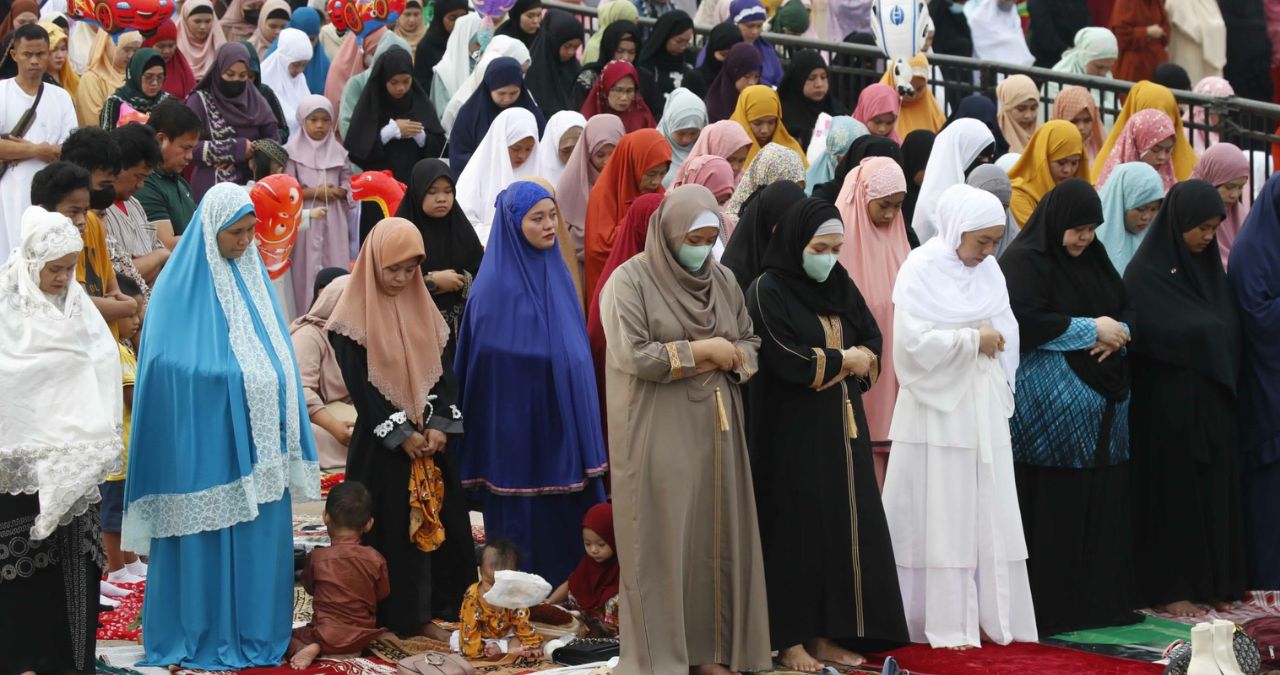

The government of the Philippines has officially declared Friday, March 20, 2026, a nationwide regular holiday in observance of Eid al-Fitr, marking the end of the holy month of Ramadan for the Muslim community. The announcement, made through the Office of the President, ensures a day off for workers and students across the country, allowing for the celebration of one of the most significant Islamic festivals.
Official Proclamation and National Impact
The declaration was formalized under Proclamation No. 2026, signed by Executive Secretary Lucas Bersamin, by the authority of President Ferdinand Marcos Jr. This legal designation mandates that all government offices and public schools will be closed on that day. Private sector employers are also encouraged to observe the holiday, providing their employees with the day off or appropriate holiday pay as stipulated by the country’s labor laws.
The move underscores the nation’s recognition of its Muslim population and their religious traditions. The National Commission on Muslim Filipinos (NCMF) recommended the date based on astronomical calculations and the traditional sighting of the new moon, which signals the start of the Shawwal month and the end of Ramadan.
Significance of Eid al-Fitr
Eid al-Fitr, known as the “Festival of Breaking the Fast,” is a day of thanksgiving, prayer, and communal gathering for Muslims worldwide. The celebration begins with special morning prayers, known as Salat al-Eid, followed by festive meals, the giving of charity (Zakat al-Fitr), and visits with family and friends. In the Philippines, the day is an opportunity to showcase the cultural and religious diversity of the nation.
Major celebrations are typically held in areas with significant Muslim communities, such as the Bangsamoro Autonomous Region in Muslim Mindanao (BARMM), Metro Manila, and other urban centers. Local governments and Muslim organizations often organize public events, including communal prayers in large open spaces or designated prayer grounds.
Context of Religious Holidays in the Philippines
The Philippines, a predominantly Catholic country, observes several religious holidays from different faiths as part of its national calendar. This includes Christian holidays like Christmas and Good Friday, as well as Islamic holidays such as Eid al-Fitr and Eid al-Adha. The inclusion of these Islamic holidays as national regular holidays is a result of Republic Act No. 9177, which was signed into law in 2002.
This legal framework aims to promote cultural understanding and national unity by respecting the religious practices of the Muslim Filipino community, which comprises approximately 6% to 10% of the total population. The announcement of the holiday date several months in advance allows for adequate planning by both the public and private sectors, minimizing disruption to economic and social activities.
Preparations and Public Advisory
With the holiday now confirmed, government agencies, including the Department of Transportation and the Philippine National Police, are expected to issue advisories regarding traffic management and public safety protocols, especially in areas expecting large congregational prayers. The public is advised to check for any local announcements from city or municipal halls regarding specific event venues and guidelines.
The early confirmation also provides Muslim Filipinos ample time to plan their travels for the holiday, a period when many return to their hometowns to celebrate with extended family. Airlines and transportation companies typically adjust schedules and may offer promotions in anticipation of increased passenger demand during this period.
Looking Ahead
Following the Eid al-Fitr holiday, the next official Islamic holiday on the Philippine calendar will be Eid al-Adha, or the Feast of Sacrifice, the date of which is also determined by lunar observation and will be announced by the NCMF in due course. The consistent official recognition of these dates reinforces the country’s commitment to fostering an inclusive society where diverse religious practices are accommodated within the national framework.
Source: Official Gazette of the Republic of the Philippines