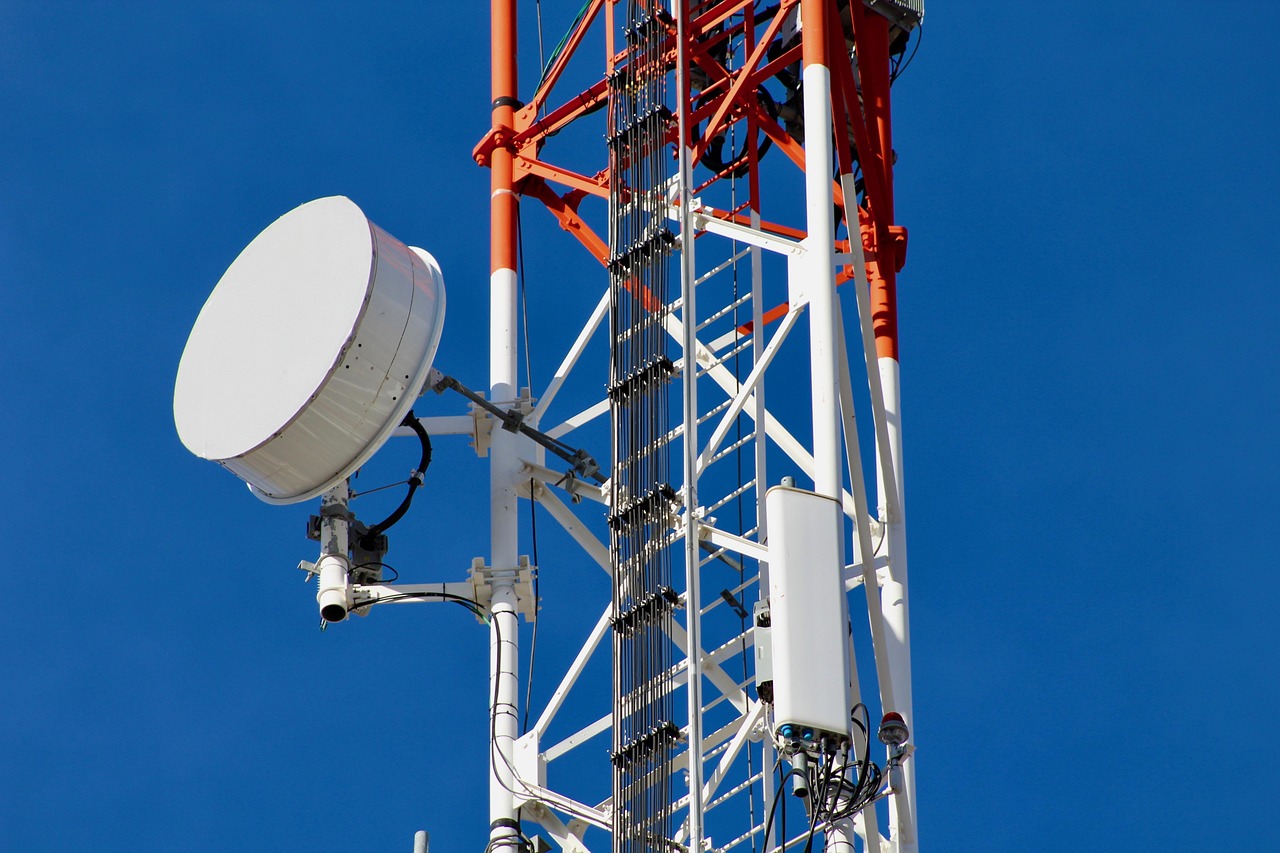

Technology companies are increasingly planning to deploy edge Artificial Intelligence (AI) inference computing capabilities directly onto existing United States telecommunications infrastructure. This strategic shift aims to bring advanced AI processing closer to end-users and devices, potentially reducing latency and reliance on distant, large-scale data centers.
Challenges of Traditional Hyperscale Data Centers
The move toward telecom-integrated Edge Computing comes as the construction of new, massive hyperscale data centers faces significant delays. These projects are often hindered by their own advanced construction requirements, which force companies to adopt new techniques and meet higher standards during the building process.
Further complications arise from a widespread shortage of skilled labor and necessary construction materials. Additional critical delays are frequently caused by protracted processes for securing access to local power grids and water sources for cooling systems. These combined factors can extend project timelines considerably.
The Edge AI Inference Model
Edge AI inference refers to the phase where a trained AI model processes new data to make a decision or prediction. Performing this computation at the “edge” of the network, near where data is generated, offers distinct advantages. It can enable faster response times for applications like autonomous vehicles, industrial IoT sensors, and real-time video analysis, while also reducing the amount of raw data that must be sent back to a central cloud.
By utilizing the physical footprint and network connectivity of telecom infrastructure, such as central offices and cell towers, companies can deploy this necessary computing power without building entirely new facilities from the ground up.
Implications for Network Performance and Development
Integrating AI compute hardware into telecom networks could lead to more efficient data handling and lower latency for bandwidth-intensive services. This model represents a convergence of cloud computing, telecommunications, and distributed AI processing.
For telecommunications providers, hosting edge AI infrastructure could create a new revenue stream and increase the value of their physical network assets. It also aligns with the ongoing industry transition toward software-defined and more intelligent network architectures.
Forward-Looking Developments
Industry observers expect formal partnerships and pilot programs between AI technology firms, cloud service providers, and major telecom operators to be announced in the coming months. The successful implementation of this model will depend on resolving technical challenges related to hardware standardization, power and cooling in constrained spaces, and seamless network integration. The evolution of this approach is likely to influence the design of next-generation telecom equipment and the geographic strategy for deploying advanced AI services across the United States.
Source: IoT Tech News