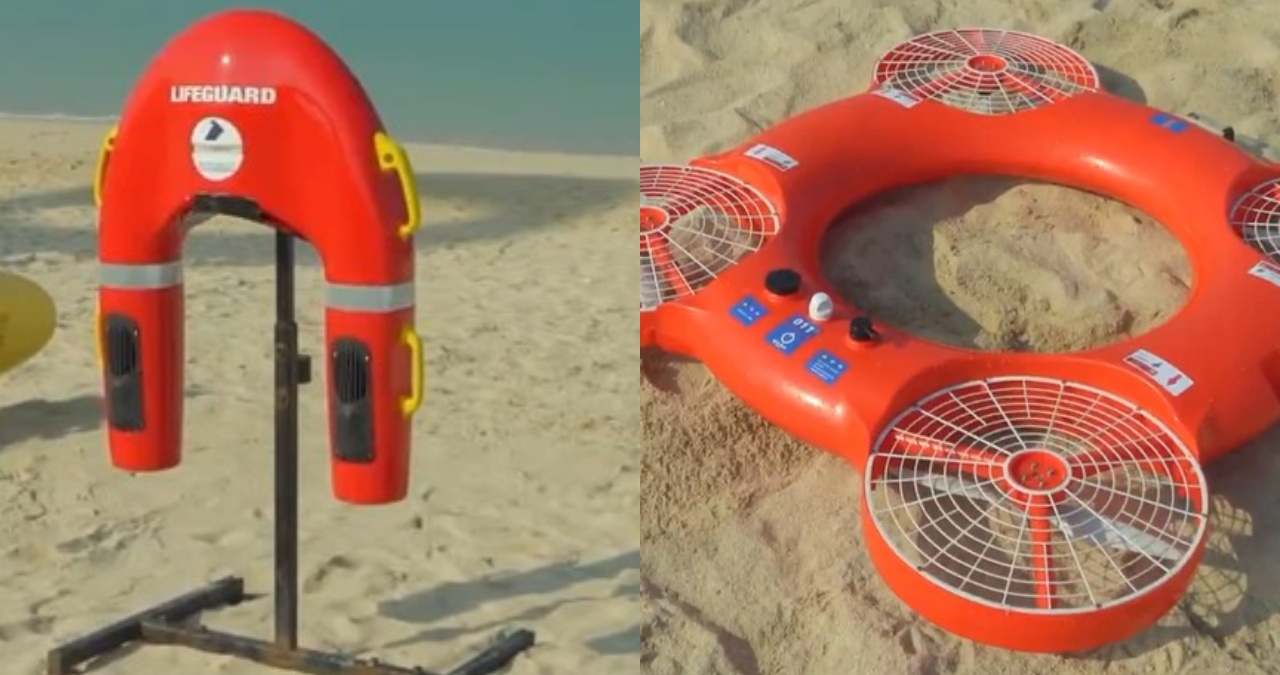

Dubai has launched a fleet of autonomous rescue robots and drones to enhance safety across its public beaches. The initiative, announced by the Dubai Municipality, aims to provide rapid emergency response and continuous surveillance of coastal areas. This deployment represents a significant integration of advanced technology into public safety operations within the emirate.
How the Rescue System Operates
The system utilizes two primary types of technology: floating rescue robots and surveillance drones. The bright orange, remotely operated rescue vehicles are designed to reach distressed swimmers faster than human lifeguards. They can be deployed from the shore and are capable of supporting multiple individuals in the water until help arrives.
Simultaneously, aerial drones conduct regular patrols, providing real-time video feeds to a central command center. These drones are equipped to scan for potential hazards, monitor crowd density, and identify swimmers who may be in difficulty. The integration of aerial and marine units creates a comprehensive monitoring network.
Official Statements and Objectives
Dawoud Al Hajri, Director General of Dubai Municipality, stated that the project aligns with Dubai’s strategy to become a smart city and a leader in adopting innovative solutions for community service. The primary objective is to reduce response times in aquatic emergencies and prevent incidents through proactive monitoring.
Officials emphasized that the robotic lifeguards are intended to augment, not replace, human lifeguard teams. The technology provides an additional layer of safety, particularly useful for reaching victims in rough conditions or at greater distances from shore where human response might be delayed.
Background and Technological Context
Dubai has consistently invested in smart city infrastructure and public safety technology. Previous initiatives have included smart police stations, AI-powered traffic management, and extensive CCTV networks. The beach safety robots are the latest addition to this ecosystem, reflecting a global trend toward using automation and robotics in emergency services.
The specific models of drones and aquatic robots deployed have been tested in various conditions to ensure reliability. Their operation requires trained personnel at the command center to pilot the devices and interpret the data provided by the drones’ cameras.
Expected Developments and Future Plans
Dubai Municipality has indicated that the current deployment is a pilot phase. Based on its performance and effectiveness over the coming months, the program may be expanded to cover more beaches along the city’s coastline. Further integration with other smart city systems, such as central emergency dispatch, is also under consideration.
The success of this initiative could set a precedent for other coastal cities worldwide looking to leverage technology for public safety. Officials anticipate that continuous data collection from the drones will also help in planning and managing beach facilities more efficiently.
Source: Mashable