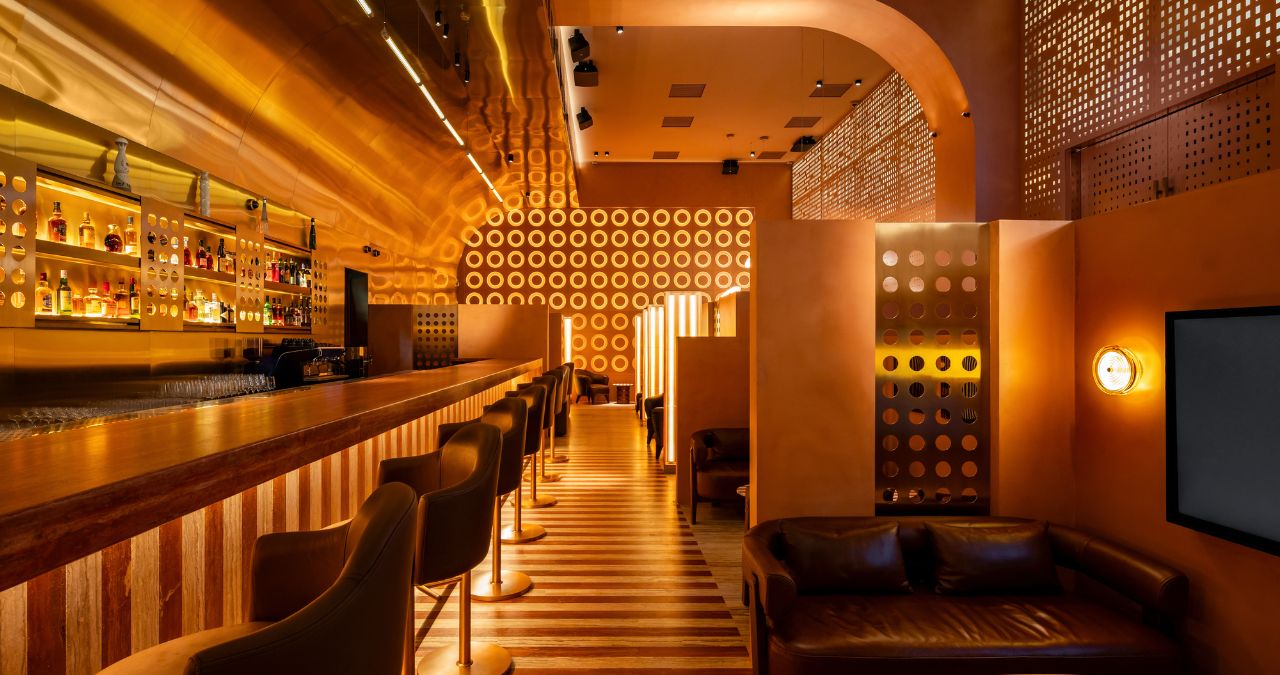

Dubai‘s hospitality sector continues to expand its portfolio of upscale dining establishments, catering to a global clientele and reinforcing the city’s status as an international culinary destination. This growth is part of a broader trend in the region’s tourism and luxury services market.
Market Context and Development
The emergence of numerous fine dining venues aligns with strategic investments in Dubai’s tourism infrastructure. Industry analysts note that the food and beverage sector is a significant component of the city’s economic diversification plans. These establishments often feature internationally recognized chefs and concept designs imported from major global cities.
Restaurant openings are frequently timed to coincide with major international events hosted in the emirate, such as Expo 2020 Dubai and various high-profile sporting competitions. The sector’s development is monitored by the Department of Economy and Tourism, which publishes annual reports on hospitality metrics.
Operational Characteristics
High-end restaurants in Dubai typically operate within luxury hotels, premium waterfront developments, or dedicated culinary districts. Many hold international accolades, including Michelin stars or positions on “World’s Best” lists curated by private industry organizations. Menus often reflect a fusion of global techniques with local and regional ingredients.
The operational model for these venues frequently includes elaborate interior design, views of city landmarks, and service protocols that meet international luxury standards. Pricing structures are positioned at the premium end of the market, reflecting costs associated with imported ingredients, skilled labor, and prime real estate.
Consumer and Economic Impact
Demand for gourmet dining experiences is driven by both resident and tourist demographics. Official tourism data indicates that culinary tourism forms a growing segment of visitor itineraries. The sector also generates employment for a wide range of professionals, from hospitality management to culinary arts.
Economic observers link the vitality of the fine dining segment to broader indicators of consumer spending and high-net-worth individual activity in the Gulf region. The performance of these restaurants is sometimes viewed as a barometer for the premium segment of the local economy.
Regulatory and Logistical Framework
All food service establishments in Dubai must comply with regulations set by the Dubai Municipality, which oversees food safety, licensing, and hygiene standards. The supply chain for these restaurants involves a complex network of local producers and international importers to ensure consistent availability of specialized ingredients.
Logistical support for the industry includes specialized cold storage facilities and distribution networks capable of handling perishable goods from global sources. This infrastructure is critical for maintaining the variety and quality offered by upscale dining venues.
Future Outlook and Industry Trajectory
Industry forecasts suggest continued growth in the gourmet dining segment, with several new concepts reportedly in development. Planned openings are expected in upcoming mixed-use projects and tourism developments currently under construction. Market analysts anticipate that competition will focus increasingly on unique culinary concepts and sustainability practices.
The trajectory of the sector will likely be influenced by global travel patterns, regional economic conditions, and evolving consumer preferences for experiential dining. Ongoing monitoring of visitor numbers and spending data will provide further indicators of the market’s direction in the coming fiscal years.
Source: Various industry and tourism reports