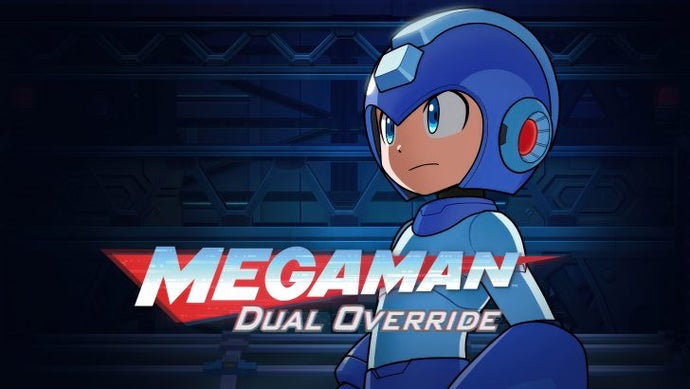

The Screen Actors Guild‐American Federation of Television and Radio Artists (SAG-AFTRA) has issued a formal Do Not Work Order against Capcom‘s upcoming video game, “Mega Man: Dual Override.” The order, announced this week, instructs the union’s members not to accept work on the project, citing the company’s failure to initiate the required signatory process for a union contract.
Union Action and Official Statement
SAG-AFTRA, which represents approximately 160,000 performers including actors, voiceover artists, and other media professionals, stated that the order was a direct response to Capcom’s inaction. The signatory process is a standard procedure where a company agrees to become a union signatory, thereby committing to negotiate and abide by the terms of a collective bargaining agreement for the performers it hires.
By not initiating this process, Capcom is effectively operating outside the union’s established framework for compensation, working conditions, and benefits. The Do Not Work Order is a standard union tool used to protect its members and enforce compliance with its agreements. It makes any work performed on the titled project by a SAG-AFTRA member a violation of the union’s Global Rule One, which mandates members work only under union contracts.
Context and Industry Implications
This action occurs within a broader context of increased labor organization and activism within the video game industry. In recent years, performers and developers have become more vocal about seeking standardized protections, including fair compensation, transparency in pay, and safeguards against strenuous work sessions often referred to as “crunch.”
The video game voice acting sector has seen growing unionization efforts, with SAG-AFTRA negotiating specific interactive media agreements. These agreements set baseline rates for services, provide crucial residuals for successful games, and ensure safe working conditions, including stipulations around vocally stressful recording sessions.
A Do Not Work Order can significantly impact a game’s production timeline. It prevents union talent from participating, which can lead to casting challenges, potential delays, and necessitate finding non-union performers, which may not align with the original creative direction or quality expectations.
Capcom’s Position and Next Steps
As of the announcement, Capcom has not issued a public statement regarding the SAG-AFTRA order. The company is a major international publisher and developer with a long history of successful franchises, including the Mega Man series to which “Dual Override” belongs.
The immediate next step rests with Capcom to either initiate the signatory process with SAG-AFTRA or to proceed without union talent. For the order to be lifted, the two parties would need to engage in good-faith negotiations to reach an agreement that aligns with the union’s standards for its members.
Industry observers will be monitoring whether this dispute remains isolated to this specific project or influences Capcom’s broader approach to union contracts for future titles. The resolution, or lack thereof, may also signal to other game developers and publishers the increasing importance of formalized labor relations in this segment of the entertainment industry.
Source: GamesIndustry.biz