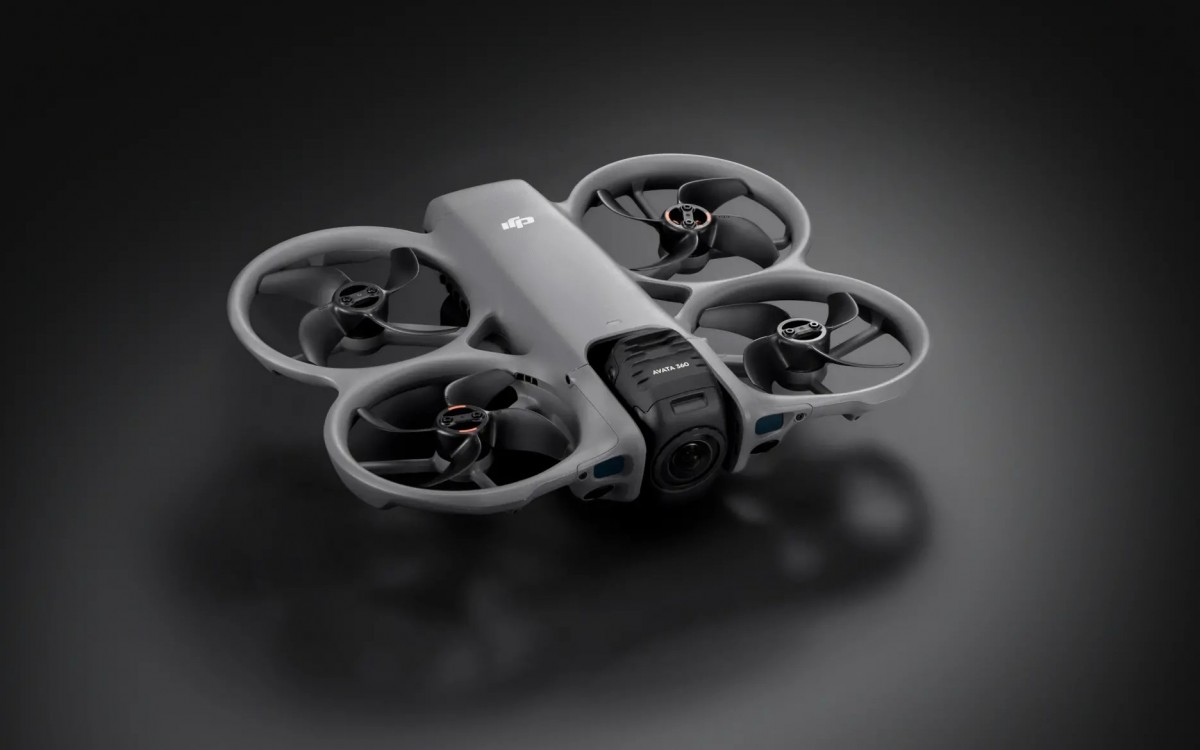

The DJI Avata 360, a new drone capable of recording 8K resolution video at 60 frames per second, has been officially launched in the United Arab Emirates. The release marks the regional availability of the latest model in DJI’s first-person-view (FPV) drone series, expanding options for aerial photography and videography enthusiasts in the market.
Core Specifications and Features
The central feature of the DJI Avata 360 is its high-resolution video capture. The drone is engineered to record footage in 8K at 60fps, a specification that provides significant detail and smooth motion for professional and advanced amateur content creation. This capability is designed for applications requiring high-fidelity imagery, such as landscape cinematography, event coverage, and detailed inspections.
As part of the Avata line, the model is expected to incorporate design elements focused on immersive flight. This typically includes a compact, protective frame for safer indoor or proximity flying and compatibility with DJI’s FPV goggles for a real-time, panoramic view from the drone’s perspective. Such features are aimed at users seeking an experiential flight dynamic alongside high-end recording tools.
Market Context and Availability
The launch in the UAE aligns with the region’s growing adoption of advanced consumer and professional drone technology. The UAE has established itself as a key market for electronics and innovative tech products, with a regulatory environment that continues to evolve for unmanned aerial vehicles. The availability of the Avata 360 provides a new option within the competitive FPV and cinewhoop drone segment.
Official pricing and detailed availability channels for the UAE market are expected to be confirmed through DJI’s authorized retailers and its regional online platforms. Potential buyers are advised to consult official sources for the final cost, warranty information, and any region-specific compliance details related to drone operation.
Regulatory and Usage Considerations
Operating a drone like the DJI Avata 360 in the UAE requires adherence to the regulations set by the General Civil Aviation Authority (GCAA). These rules govern where and how drones can be flown, often restricting operations near airports, critical infrastructure, and in certain populated areas. Pilots are responsible for understanding and following all local laws to ensure safe and legal flight operations.
The introduction of any new drone model also brings attention to responsible flying practices. This includes maintaining visual line of sight where required, respecting privacy, and ensuring the aircraft is used in a manner that does not pose a risk to people, property, or other aircraft.
Future Developments and Industry Impact
The regional release of the DJI Avata 360 is likely to be followed by its rollout in other international markets over the coming weeks. Industry observers will monitor its reception among FPV pilots and content creators, which may influence development priorities for subsequent drone models from DJI and its competitors. Further technical reviews and user reports will provide a clearer assessment of the drone’s performance in real-world conditions, particularly regarding battery life, transmission range, and image stabilization in its highest recording modes.
Source: Mashable