
Industrial facilities worldwide are increasingly adopting digital twin technology to enhance the operation and maintenance of physical machinery. This shift represents a significant evolution from basic real time monitoring to creating comprehensive virtual replicas used for simulation and analysis.
A digital twin is a dynamic virtual model of a physical asset, system, or process. It is built using data from sensors installed on the actual equipment, which continuously feed information about performance, condition, and environment into the digital counterpart.
Core Functionality and Applications
The primary function of a digital twin is to allow for testing, analysis, and optimization without interfering with the real world asset. Engineers can run simulations to predict how a machine will perform under different stresses or to diagnose potential failures before they occur. This capability moves industrial operations from reactive maintenance to a predictive and preventive model.
These virtual models are used across various stages of a machine’s lifecycle. During the design phase, digital twins can simulate performance to inform engineering choices. In daily operations, they provide a dashboard for health monitoring. For maintenance, they can forecast when a component might fail, scheduling downtime proactively to minimize disruption.
Technological Drivers and Implementation
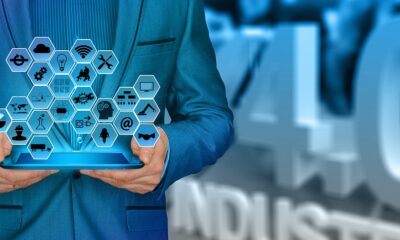
The proliferation of Industrial Internet of Things (IIoT) sensors is a key enabler of this technology. These sensors collect vast amounts of operational data, including temperature, vibration, pressure, and output metrics. This data stream is the foundation that makes an accurate, living digital twin possible.
Implementation typically involves integrating sensor data with advanced analytics platforms and visualization software. The result is a central digital interface that gives operators and managers a comprehensive view of physical assets, often aggregating data from multiple machines into a single system view.
Reported Benefits and Industry Impact
Organizations utilizing digital twin technology report several measurable benefits. These include reduced unplanned downtime, extended equipment lifespan, improved product quality, and enhanced worker safety. By simulating scenarios in the virtual space, companies can also test process changes or new operating parameters risk free.
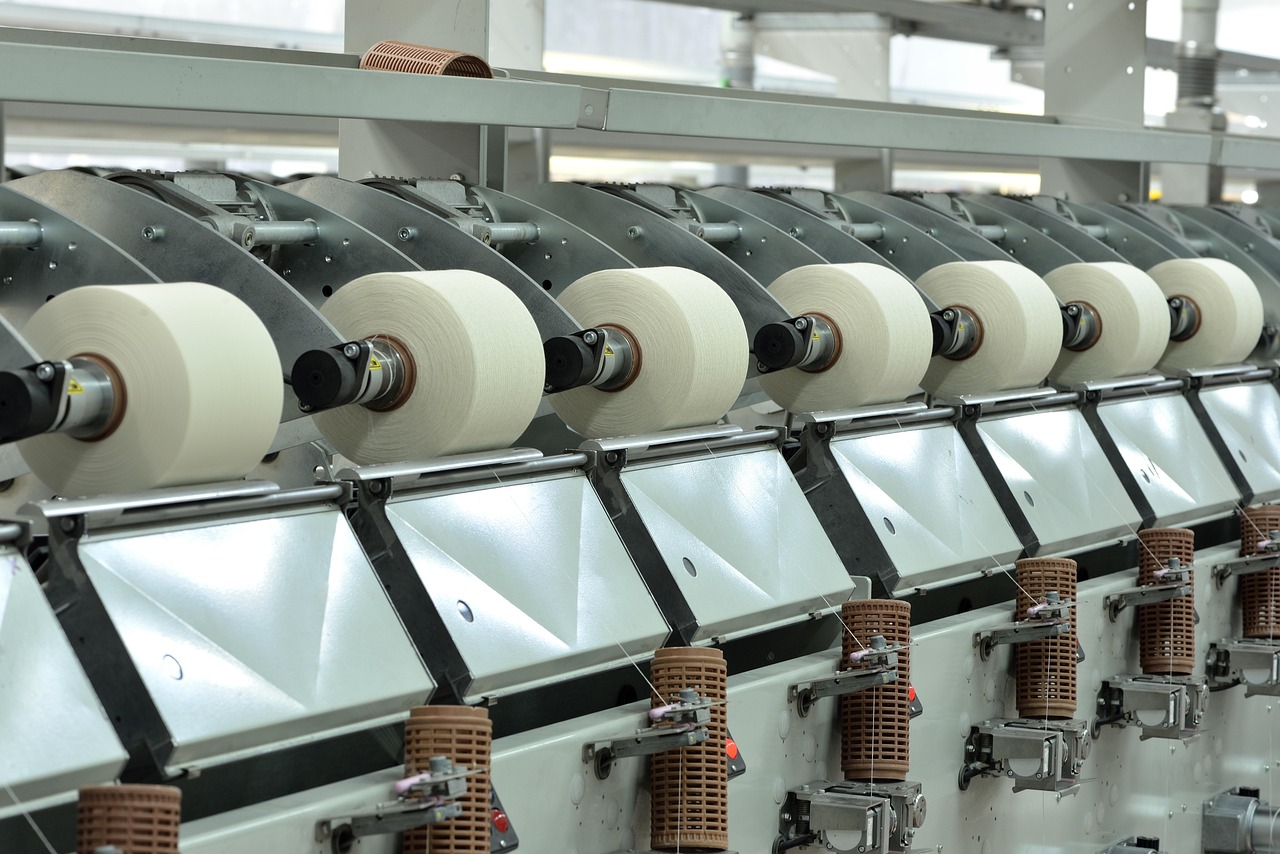
The technology is seeing adoption in sectors with high value capital equipment, such as manufacturing, energy, and aerospace. It allows for more efficient use of resources and can contribute to overall operational excellence initiatives within plants and factories.
Future Development and Standardization
The next phase of development for digital twin technology involves greater integration with artificial intelligence and machine learning algorithms. This integration is expected to enable more autonomous analysis and decision making recommendations from the virtual models. Furthermore, industry groups are working on standardization efforts to ensure interoperability between different digital twin platforms and data formats, which would facilitate broader adoption.
Source: IoT Tech News