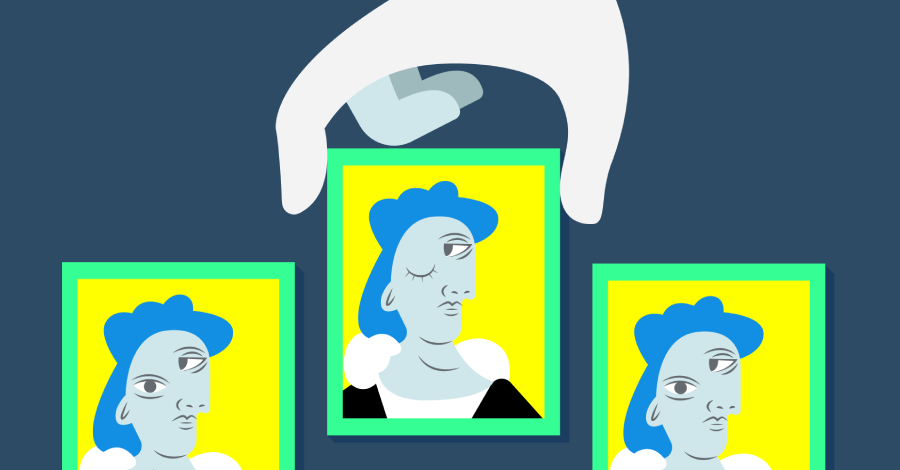

Security researchers are examining historical art forgery techniques to develop new methods for detecting sophisticated cyberattacks. This cross-disciplinary approach draws direct parallels between the deception methods used by infamous art counterfeiters and those employed by modern hackers.
Lessons from a Master Forger
During the 1960s, Elmyr de Hory gained international notoriety as a premier art forger. He successfully passed counterfeit works, attributed to masters like Picasso, Matisse, and Renoir, to unsuspecting collectors and renowned museums. His forgeries were so convincing they infiltrated the highest levels of the art world, remaining undetected for years.
Experts note that de Hory’s success was not solely due to his artistic skill. His deep understanding of art history, market trends, and authentication processes allowed him to create convincing fakes that exploited specific gaps in the system. He studied the original artists’ techniques, materials, and even their personal histories to add believable provenance to his works.
The Parallel to Cyber Deception
In cybersecurity, threat actors use similar principles of imitation and social engineering. Just as a forger studies an artist’s brushstrokes, hackers analyze legitimate software code, email templates, and network behavior to create malicious copies that appear authentic. This tactic is central to phishing campaigns, supply chain attacks, and credential theft.
The goal in both fields is identical: to create a convincing replica that bypasses established detection systems. For art authenticators, this means spotting a fake painting; for security software and analysts, it means identifying a malicious file or network intrusion disguised as normal traffic.
Technical Mimicry and Social Manipulation
Advanced persistent threat (APT) groups often spend months researching a target organization. They mimic internal communication styles, clone corporate login pages, and use stolen branding to trick employees. This meticulous preparation mirrors a forger’s research into an artist’s catalog and the preferences of potential buyers.
Furthermore, both forgers and hackers rely on exploiting human psychology and procedural weaknesses. They target the point where automated systems or hurried human judgment is most likely to fail, whether that is a museum curator under pressure to acquire a masterpiece or an employee rushing through their email inbox.
Applying Artistic Authentication to Digital Defense
Defensive cybersecurity teams are now applying forensic techniques from art authentication. This includes behavioral analysis, which looks for subtle anomalies in how a user or system behaves, rather than just checking for known malicious signatures. It also involves provenance tracking for digital assets and software components to verify their origin.
Just as radiocarbon dating and pigment analysis can reveal a forgery, security tools now use advanced heuristics, machine learning, and anomaly detection to spot inconsistencies in digital artifacts that would be invisible to a simple checklist approach.
Future Collaborative Efforts
The exploration between these two fields is expected to continue. Joint conferences and research papers involving experts from both the art security and cybersecurity domains are becoming more common. The focus is on developing a unified theory of deception detection that can be applied to both physical and digital assets.
Official timelines for specific outcomes are not yet established, but several academic institutions and private security firms have initiated formal research projects. The next steps will likely involve publishing detailed case studies that map specific forgery techniques to known cyberattack patterns, creating a shared framework for defense.
Source: Delimiter Online analysis