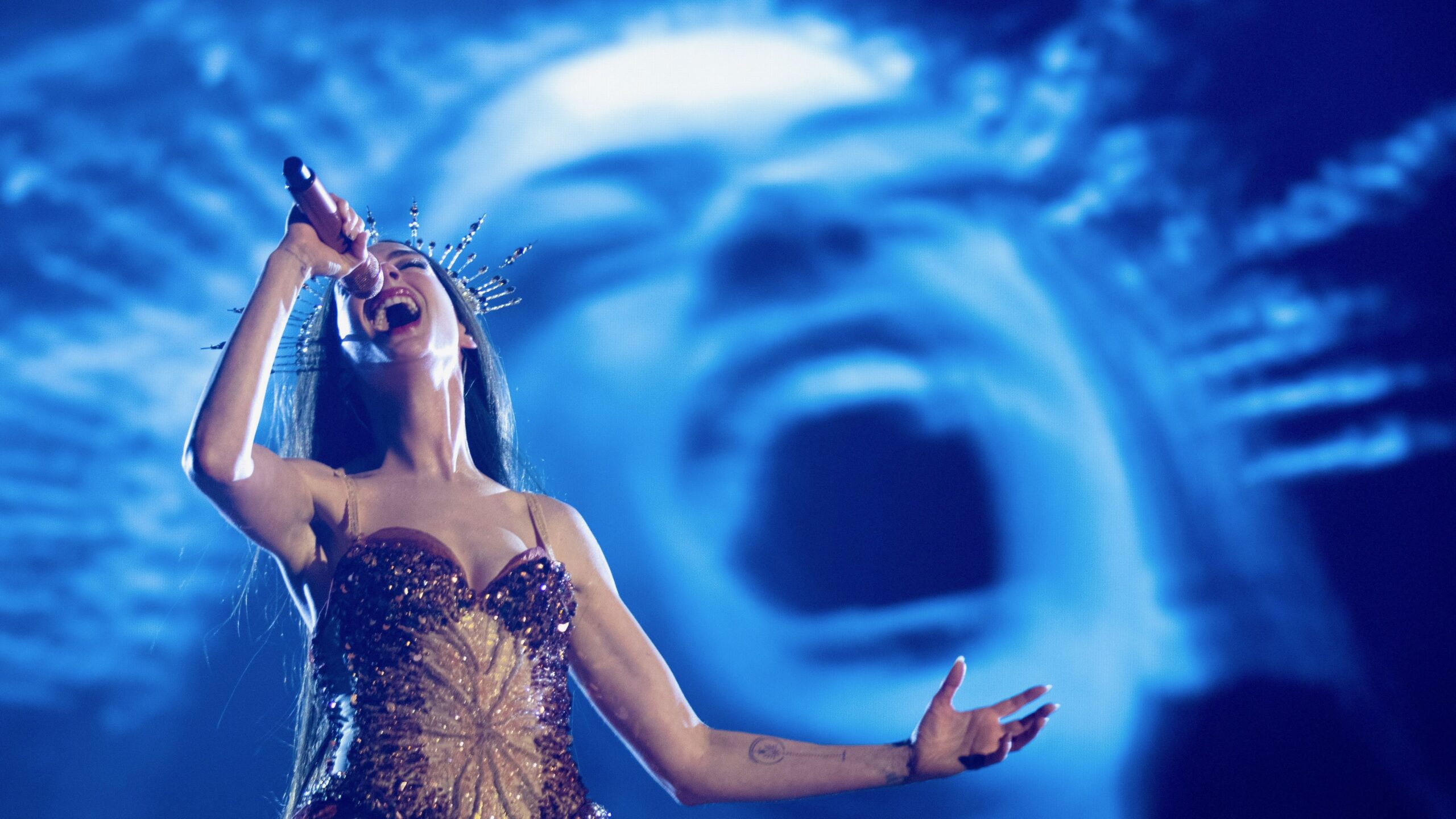

Writer and director David Lowery, known for his work on “The Green Knight,” has released a new film titled “Mother Mary.” Early reviews indicate that the performances of lead actors Anne Hathaway and Michaela Coel have been described as rapturous, drawing significant attention from film critics. The film represents a shift into surreal horror, a genre departure that Lowery has addressed directly through the film’s promotional materials.
In a tagline for the project, Lowery clarified what the film is not, stating: “This is not a ghost story. This is not a love story.” This statement has fueled debate among audiences and industry observers about the film’s narrative direction and thematic content. The explicit rejection of traditional genre labels underscores a broader conversation within the film industry regarding the limitations and expectations imposed by marketing categorization.
Background and Production
David Lowery’s previous filmography includes critically acclaimed works such as “A Ghost Story” and “The Old Man & the Gun,” both of which explored metaphysical and existential themes. “Mother Mary” continues this trajectory, blending horror elements with a surreal aesthetic. The film’s production involved a notable collaboration between Hathaway and Coel, both of whom have strong followings in independent and mainstream cinema.
Anne Hathaway, an Academy Award winner, has taken on diverse roles ranging from dramatic to comedic, while Michaela Coel is best known for her Emmy Award winning series “I May Destroy You” which also dealt with complex emotional and psychological themes. Their pairing in “Mother Mary” is being highlighted by reviewers as a key strength of the film.
Critical Reception and Audience Response
Initial reactions from film festivals and early screenings suggest that “Mother Mary” has generated a polarized response. Some critics praise the film’s ambitious visual style and the depth of the performances, while others note that its refusal to conform to conventional narrative structures may be challenging for broader audiences. The film’s surreal horror elements are being compared to other arthouse horror works that prioritize mood over plot.
Audience discussions on social media platforms have focused on the film’s ambiguous storytelling and its visual motifs. The tagline’s emphasis on negation has become a point of analysis, with some viewers interpreting it as a commentary on the fluidity of genre in modern cinema. Industry analysts are watching to see whether the film can translate critical acclaim into commercial success outside of festival circuits.
Implications for the Film Industry
The release of “Mother Mary” coincides with a broader trend of filmmakers resisting genre labels. Director David Lowery has been outspoken about the constraints that studio marketing places on creative works. The film’s marketing strategy, which deliberately avoids traditional genre hooks, may serve as a case study for how niche independent films can reach audiences without relying on conventional promotional tactics.
Furthermore, the collaboration between Hathaway and Coel signals a growing interest among high profile actors in genre bending projects. This could influence future casting decisions and project development in the independent film sector, as talent increasingly seeks roles that challenge both their own skills and audience expectations.
The film is currently in limited theatrical release and is expected to expand to streaming platforms in the coming months. A wider digital release date has not been officially announced, but industry insiders anticipate it within the next quarter. Reviews and audience word of mouth will likely determine the film’s long term impact and its role in shaping future discussions about genre and narrative in cinema.
Source: Mashable