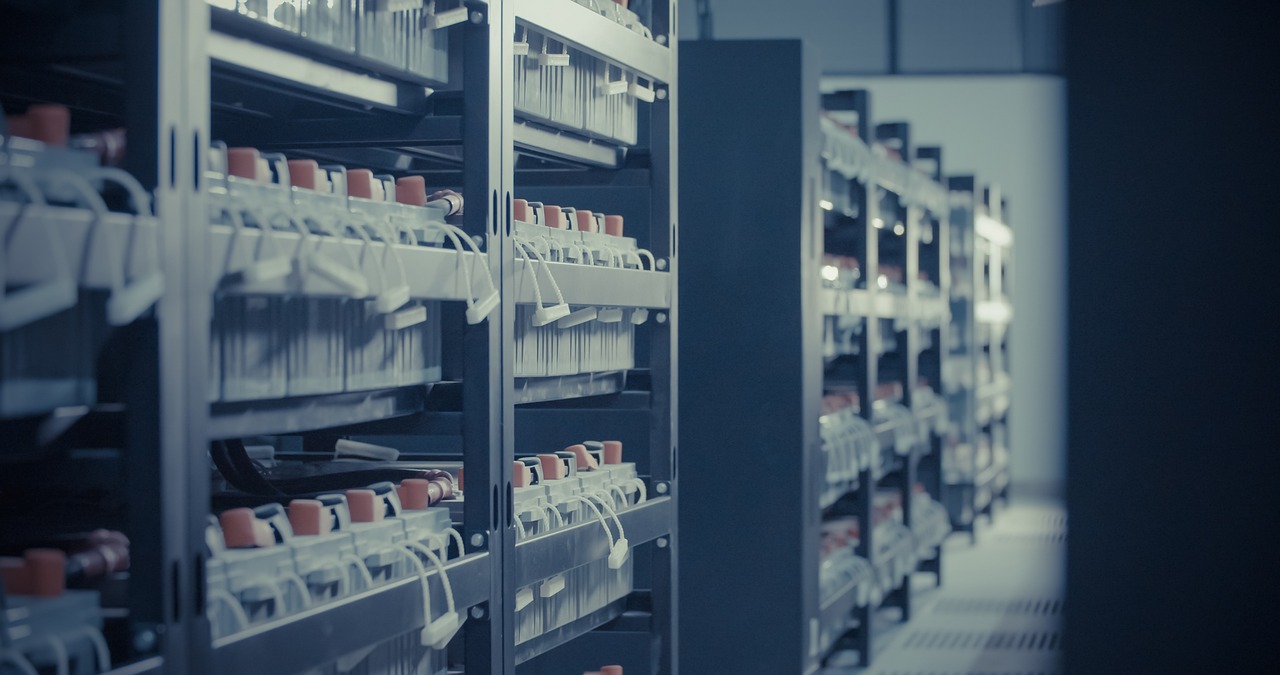

Amid rising public anxiety over potential widespread job displacement caused by artificial intelligence, a United States senator has proposed a novel fiscal policy targeting the technology industry’s infrastructure. Senator Mark Warner of Virginia has suggested implementing a tax on data centers, the massive facilities that power AI and cloud computing, to fund support programs for workers transitioning to new careers.
Policy Proposal and Economic Context
The suggestion comes during a period of intense debate regarding the economic and social impact of rapid AI adoption. While AI promises significant productivity gains, economists and labor groups warn it could automate a wide range of tasks, from customer service and writing to more complex analytical roles. This has fueled a growing political and public backlash against the technology sector’s expansion, often symbolized by the construction of large, resource-intensive data centers.
Senator Warner, who chairs the Senate Select Committee on Intelligence and serves on the Banking and Finance committees, framed the data center tax as a mechanism for “risk mitigation.” The core concept involves using revenue generated from the tax to establish a fund for worker retraining, extended unemployment benefits, and wage subsidies for those whose jobs are directly impacted by AI automation.
Industry Reaction and Implementation Questions
The proposal has elicited strong reactions from the technology industry. Trade associations representing cloud providers and data center operators argue that such a tax would stifle innovation, increase costs for businesses that rely on cloud services, and potentially drive infrastructure investment to other regions without similar levies. They contend that data centers are already significant contributors to local economies through property taxes and job creation.
Policy analysts note that the practical implementation of a targeted data center tax would be complex. Key questions remain unanswered, including how the tax would be structured, whether it would be applied at the state or federal level, and how “AI-related” job displacement would be specifically defined and measured to allocate funds. The proposal, as currently described, lacks specific legislative language or a detailed funding model.
Broader Debate on Technology and Labor
Senator Warner’s idea taps into a broader, global discussion about how societies should manage technological transitions. Similar debates have occurred around previous industrial revolutions. The current focus on AI, however, is notable for the speed of development and the breadth of white-collar professions considered vulnerable. The concept of making the beneficiaries of automation help finance societal adaptation is not new, but applying it directly to digital infrastructure is a more contemporary approach.
Other policy solutions discussed in parallel include strengthening traditional unemployment insurance, creating portable benefit systems for gig workers, and expanding federal grants for education in STEM and vocational fields. The data center tax proposal is distinct for seeking a dedicated revenue stream from a specific segment of the industry perceived as central to the disruption.
Next Steps and Political Viability
For the proposal to advance, it would need to be drafted into formal legislation and gain support from other lawmakers. Political observers suggest the idea may face considerable challenges in a divided Congress, where there is significant reluctance to raise new taxes, especially on a sector seen as a key driver of economic competitiveness. However, the proposal signals increasing political willingness to consider regulatory and fiscal measures aimed at the AI industry as public concern grows.
Further development of this policy concept is expected to involve hearings, economic impact studies, and negotiations with industry stakeholders. The outcome will likely depend on the evolving public perception of AI’s risks and benefits, as well as the strength of economic data showing actual job market effects in the coming years.
Source: GeekWire