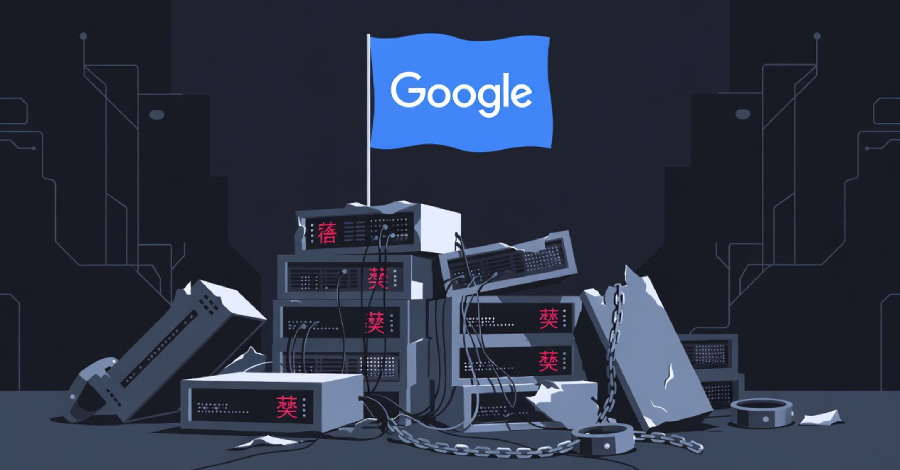

Google, in collaboration with industry partners, successfully disrupted the infrastructure of a suspected state-backed Chinese cyber espionage group on Wednesday. The group, tracked as UNC2814, is believed to have breached at least 53 organizations across 42 different countries.
This coordinated takedown targeted the digital command and control systems used by the hackers, effectively hampering their ongoing operations. The action follows an extensive investigation into the group’s activities, which have spanned several years and multiple continents.
Scope and History of the Threat
Google’s Threat Analysis Group described UNC2814 as a prolific and elusive actor with a long history of targeting international governments and global telecommunications organizations. Their operations have been geographically widespread, focusing on entities across Africa, Asia, and the Americas.
The scale of the campaign, affecting dozens of nations, underscores the global nature of the cyber espionage threat. While the specific identities of the 53 breached organizations were not disclosed, their sectors and international presence indicate the campaign sought politically and economically sensitive information.
Industry Collaboration and Technical Response
The disruption was not a unilateral action by Google. The company emphasized it worked alongside various industry partners to dismantle the group’s infrastructure. This type of public-private partnership is increasingly common in countering sophisticated cyber threats that cross national borders.
By taking down key servers and networks used for malicious communications, the coalition has severed the link between the attackers and any compromised systems. This action prevents further data exfiltration and gives victim organizations a critical window to identify and remediate breaches.
Attribution and Geopolitical Context
Google has attributed the campaign with high confidence to a China-nexus actor, meaning the group is believed to operate from, or with connections to, China. Cyber espionage groups linked to nation-states often pursue intelligence gathering aligned with their government’s strategic interests, such as foreign policy insights or technological secrets.
The disclosure adds to a growing body of public evidence detailing cyber operations originating from China. Technology and security firms regularly publish reports on such activities, contributing to a clearer understanding of the tactics and targets of advanced persistent threat groups.
Implications for Global cybersecurity
The disruption of the UNC2814 campaign highlights the ongoing challenge that well-resourced cyber espionage poses to organizations worldwide. It demonstrates that even sophisticated, long-running operations can be countered through vigilant monitoring and coordinated action.
For potential targets, particularly in government, diplomacy, and telecommunications, the incident serves as a reminder of the persistent risk. It reinforces the necessity for robust security defenses, continuous network monitoring, and prompt application of software updates to mitigate vulnerabilities.
Looking forward, cybersecurity analysts will monitor for any resurgence or adaptation in tactics from the UNC2814 group. Google and its partners are expected to continue their investigations, potentially leading to further disclosures or actions. Victim organizations are likely conducting forensic audits to fully assess the impact of the breaches, with national cybersecurity agencies possibly issuing advisories based on the findings.
Source: Adapted from original disclosure