
cybersecurity researchers have uncovered a sophisticated malware distribution campaign, dubbed ClickFix, that is leveraging compromised legitimate websites to deploy a previously undocumented remote access trojan. The campaign, active across multiple global regions, uses a multi-stage infection process to deliver a RAT known as MIMICRAT, also identified as AstarionRAT.
Campaign Mechanics and Infrastructure
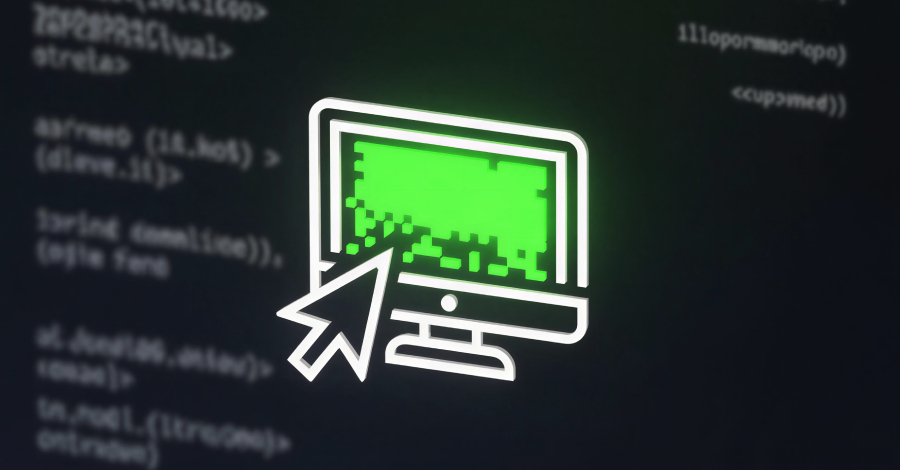
The ClickFix operation demonstrates a high level of operational sophistication by using a network of hacked websites as its primary delivery mechanism. These compromised sites span various industries and geographical locations, providing a resilient and widespread infrastructure for the attackers. Visitors to these sites are presented with deceptive pop-up messages designed to look like software update prompts or error notifications.
These fake alerts, often labeled “ClickFix” or similar, urge users to click to resolve a purported issue. This interaction triggers a complex, multi-stage download sequence. The initial payload is typically a downloader, which then retrieves and executes the final MIMICRAT malware from a separate, attacker-controlled server.
Capabilities of the MIMICRAT Malware
MIMICRAT is a fully-featured remote access trojan that grants attackers extensive control over an infected system. Analysis of the malware reveals it can perform keylogging, capture screenshots, steal credentials and files from web browsers, and execute arbitrary commands. The RAT also possesses persistence mechanisms, allowing it to survive system reboots and maintain long-term access for espionage or further criminal activity.
The malware’s use of legitimate but compromised websites for distribution makes it particularly dangerous. This technique, known as a “watering hole” attack, exploits the inherent trust users place in familiar sites, bypassing many traditional security warnings that might appear for obviously malicious domains.
Defensive Recommendations and Broader Implications
Security experts recommend several defensive measures for both organizations and individual users. For website administrators, maintaining rigorous software patching schedules, using strong authentication, and conducting regular security audits are critical to prevent site compromise. End-users are advised to exercise extreme caution with unexpected pop-up messages, especially those prompting software downloads or updates.
Users should never install software from unsolicited prompts on websites. Instead, updates should be sought directly from the official vendor’s website or through the application’s built-in update mechanism. Employing reputable security software that can detect and block malicious downloads remains a fundamental layer of defense.
The emergence of the ClickFix campaign highlights an ongoing trend where threat actors invest significant effort into compromising legitimate online infrastructure. This approach increases the success rate of their attacks by blending malicious activity with normal web traffic, challenging conventional detection methods.
Next Steps and Industry Response
Security firms that identified the campaign are sharing technical indicators of compromise, or IOCs, with the broader cybersecurity community. This includes details on the malicious domains, file hashes, and network signatures associated with MIMICRAT and its delivery infrastructure. This information allows other security vendors and corporate defense teams to update their detection systems.
Law enforcement agencies in affected regions may be notified, though investigations into such globally distributed cybercriminal operations are typically complex and lengthy. The cybersecurity community expects the actors behind ClickFix to continue adapting their tactics, potentially shifting to new compromised sites or slightly modifying the malware’s code to evade signature-based detection in the coming weeks.
Source: Cybersecurity Research Reports