
The Avalanche Studios Group has implemented a new research and development strategy, described internally as a “Highlander” or “survival of the fittest” model, following a significant period of corporate restructuring. The Swedish video game developer confirmed this strategic shift after reducing its global workforce and closing several international studios over recent years.
Organizational Consolidation
This new approach to project development comes after the company shuttered its Montreal and New York offices in 2024. It followed that consolidation with the closure of its Liverpool studio last year. The Liverpool location had commenced operations in 2020. These closures have concentrated the group’s operations within Sweden.
The company now employs approximately 400 staff members. These employees are distributed between its two remaining offices in Stockholm and Malmö.
Strategic Pivot and Internal Competition
The core of the new R&D strategy involves fostering internal competition among development teams. Multiple teams within the organization will concurrently work on new game concepts and prototypes. Management will then evaluate these competing projects based on predefined milestones and creative potential.
Only the projects demonstrating the strongest market viability and alignment with the company’s technical strengths will receive full production funding. This process is designed to allocate resources to the most promising ideas, effectively letting the best concepts “survive” through a structured internal review.
Industry Context and Rationale
The move reflects broader trends in the game development industry, where rising production costs and extended development cycles have increased financial risk. Many publishers and developers are seeking more efficient methods to greenlight projects. Avalanche Studios Group’s strategy aims to mitigate risk by advancing only those proposals that prove their worth through early development phases.
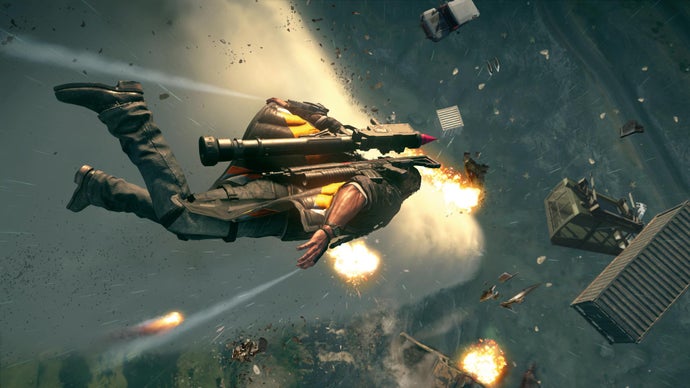
The company is known for proprietary engine technology and open-world game design. Its portfolio includes titles like the Just Cause series and Generation Zero. The new R&D model is intended to leverage its existing expertise while systematically identifying its next major franchise.
Forward Outlook
The company has not publicly announced a timeline for the first project approvals under this new system. Industry analysts expect the initial internal competition cycles to take several months to complete. The outcome will determine the studio’s production slate for the coming years.
Observers will be watching to see if this “survival of the fittest” model can yield successful new intellectual property for the developer. The strategy represents a clear attempt to streamline creativity within a more disciplined, business-focused framework following its organizational downsizing.
Source: GamesIndustry.biz