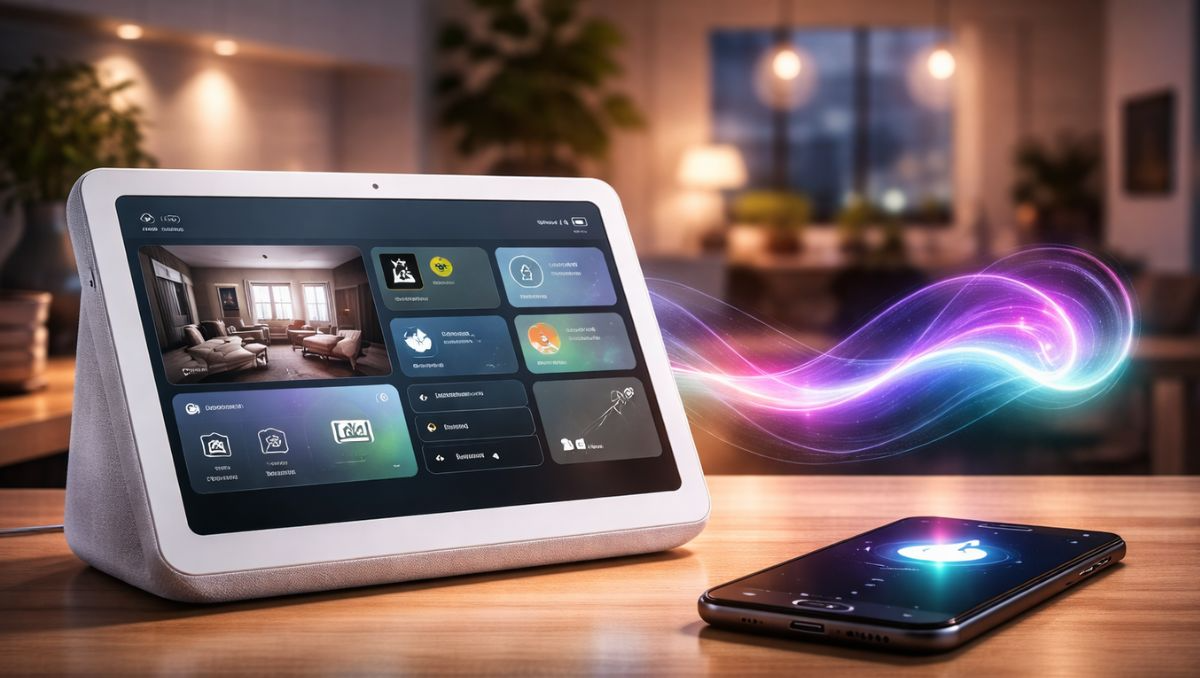

Apple Inc. has postponed the launch of a new smart home device, citing that key artificial intelligence features for its Siri voice assistant are not yet prepared for release. The decision, confirmed by sources familiar with the matter, represents a strategic delay for the tech giant’s expansion into the competitive home automation market. The move underscores the technical challenges companies face in integrating advanced AI into consumer hardware.
The device in question is reported to be a smart home display with an integrated screen. According to industry reports, the product may feature a 7-inch display, positioning it as a central hub for controlling connected home appliances, making video calls, and streaming content. Its development has been a closely watched project within Apple’s hardware division.
Core Issue: Siri’s AI Integration
The primary reason for the delay centers on the software powering the device, specifically new chatbot and conversational AI capabilities planned for Siri. Apple has been working to significantly upgrade Siri using large language models, the technology behind modern generative AI, to make interactions more natural and context-aware. These enhancements were intended to be a cornerstone of the new device’s functionality, setting it apart from existing smart displays from competitors like Amazon and Google.
Sources indicate that the AI features did not meet Apple’s internal standards for reliability and performance ahead of the planned launch window. The company is known for its stringent quality control, often delaying products until software and hardware integration is seamless. Rushing a product with an unpolished AI experience could risk damaging user trust in both Siri and Apple’s ecosystem.
Market Context and Competitive Pressure
The smart home market is a rapidly growing sector where Apple currently holds a smaller share compared to its rivals. While its HomePod speaker and HomeKit framework exist, the company lacks a dedicated screen-based hub. The delay comes at a time when competitors are also advancing their AI assistants. Google and Amazon continuously update their respective assistants with new AI features, and the emergence of AI-powered devices from other startups increases competitive pressure.
Analysts note that while a delay may allow competitors to solidify their market position, it also reduces the risk of Apple launching a product that fails to meet high consumer expectations. A successful debut is considered crucial for Apple to establish a stronger foothold in the connected home.
Implications for Apple’s Strategy
This postponement highlights the increasing importance of sophisticated AI in consumer electronics. For Apple, which has sometimes been perceived as trailing in the generative AI race, ensuring a powerful and private AI experience is a strategic imperative. The company’s approach typically involves developing technology in-house and prioritizing on-device processing for user privacy, which can add complexity and time to development cycles.
The delay of this hardware product may also be linked to the broader rollout of Apple’s next-generation AI software, expected to be showcased at its annual Worldwide Developers Conference. The company is anticipated to unveil major AI updates across its operating systems, which would logically include the new Siri capabilities intended for the smart home device.
Next Steps and Expected Timeline
Apple has not issued an official public statement regarding the delay or provided a revised launch date for the smart home display. Industry observers now expect the product to debut later in the year, potentially in the fall, coinciding with other traditional Apple launch events. The development team’s focus will be on finalizing the AI software stack and ensuring it delivers a consistent and useful experience on the new hardware platform.
Source: Mashable