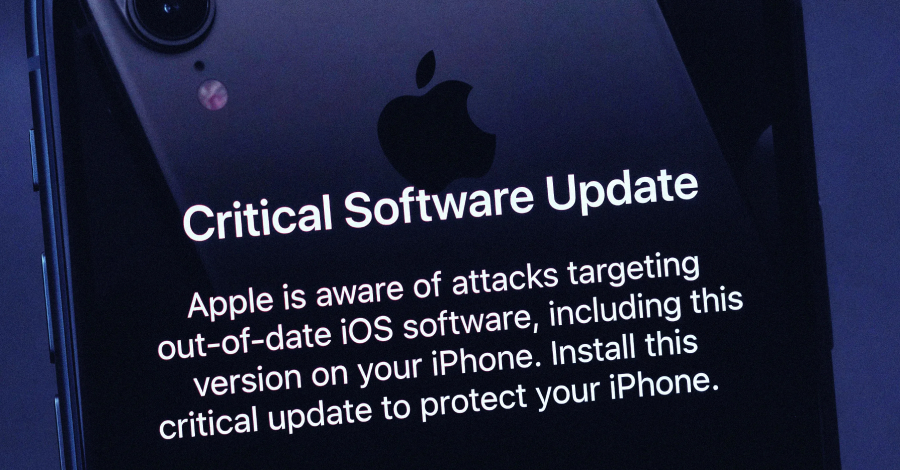

Apple Inc. has begun sending direct Lock Screen notifications to users of iPhones and iPads running outdated software versions. The alerts warn of active, web-based exploits targeting these devices and urge immediate installation of the latest security updates. This development, first reported by the technology news site MacRumors, represents a significant escalation in Apple’s efforts to protect its user base from known security threats.
Nature of the Security Alert
The notifications appear directly on a device’s Lock Screen, a prominent location designed to capture user attention. The message states, “Apple is aware of attacks targeting out-of-date iOS software, including the version on your iPhone. Install this critical update to protect your iPhone.” This direct communication method bypasses the typical update process, which requires a user to manually check for new software in the Settings app.
Security experts note that web-based, or “zero-click,” exploits are particularly dangerous. They can potentially compromise a device simply by loading a malicious webpage, often without any interaction from the user. These attacks can be delivered through compromised advertisements, links in messages, or other seemingly innocuous web content.
Context of Apple’s Security Strategy
While Apple regularly releases security updates for its operating systems, user adoption is not universal. Many individuals delay installing updates due to concerns about bugs, changes to the user interface, or simply a lack of awareness. This leaves a segment of the device population vulnerable to publicly known security flaws that have already been patched in newer software versions.
The company’s move to push critical alerts directly to the Lock Screen indicates a shift toward more assertive security measures. It treats widespread, active exploitation of a known vulnerability as an event requiring immediate user action, similar to emergency alerts for weather or public safety.
Implications for Device Security
This proactive notification strategy has several important implications. Primarily, it aims to drastically reduce the window of opportunity for attackers by compelling users to update their software as soon as possible. It also serves an educational function, explicitly linking the abstract concept of a “software update” to the concrete benefit of protection from active attacks.
For the broader technology ecosystem, Apple’s action sets a precedent for how platform developers might handle critical, in-the-wild threats. It demonstrates a responsibility to not only create patches but also to ensure they are deployed effectively across the entire installed base, especially when users’ personal data and security are at immediate risk.
Expected Next Steps and User Guidance
Users who receive the notification are advised to install the available update promptly. The process typically requires connecting to Wi-Fi and ensuring the device has sufficient battery life. Apple is expected to continue this notification practice for future critical security updates that address exploits being actively used against consumers.
Industry observers anticipate that other major platform providers may evaluate similar direct alert systems for their own products. The effectiveness of Apple’s campaign in boosting update rates for targeted versions will likely be studied as a case for broader industry adoption. For now, the action underscores the persistent and evolving nature of cybersecurity threats in the mobile landscape.
Source: MacRumors