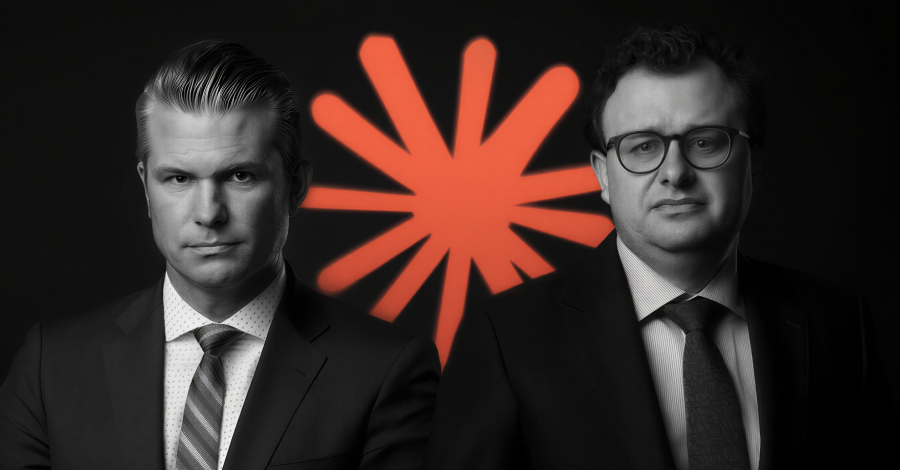

The U.S. Department of Defense has formally designated Artificial Intelligence company Anthropic as a supply chain risk. The action, directed by Secretary of Defense Pete Hegseth, was confirmed on Friday and follows a breakdown in negotiations between the Pentagon and the AI firm.
Anthropic responded publicly, stating the designation stems from an impasse over two specific exceptions the company requested regarding the use of its AI model, Claude. According to the company, these exceptions were for the mass domestic surveillance of American citizens and for fully autonomous weapons systems.
Background of the Dispute
The disagreement reportedly followed months of discussions between Anthropic and U.S. defense officials. The core issue centered on the ethical boundaries for deploying the company’s advanced AI technology within military and intelligence contexts. Anthropic sought legally binding assurances that its systems would not be used for the specified purposes.
When negotiations failed to produce an agreement, the Pentagon proceeded with the supply chain risk designation. This label is a formal administrative action used by the U.S. government to flag entities that may pose a threat to the security or integrity of the defense industrial base.
Implications for Anthropic and Defense Contracts
Being listed as a supply chain risk can have significant consequences for a technology company. It can restrict or complicate its ability to secure contracts with the Department of Defense and other federal agencies. For Anthropic, a leading AI safety and research company known for its Claude models, this move places a substantial barrier between its technology and the world’s largest defense department.
The designation highlights the growing tension between rapid AI innovation and National Security imperatives. As AI systems become more powerful, governments are increasingly scrutinizing their development and potential applications, particularly in sensitive sectors like defense.
Industry and Policy Context
This incident is not isolated. It reflects a broader, ongoing debate within the United States and among its allies about the responsible military use of artificial intelligence. Concerns over autonomous weapons and surveillance technologies have been discussed in international forums, with calls for regulatory frameworks and ethical guidelines.
Anthropic’s public stance aligns with a segment of the AI industry that advocates for preemptive safety measures and ethical guardrails. The company’s decision to draw a line at certain military applications, even at the cost of a major potential client, underscores a principled position that is becoming more visible within the tech sector.
Next Steps and Ongoing Developments
The immediate next step involves assessing the operational impact of the designation on Anthropic’s existing and potential government work. Legal and policy teams from both sides are likely to review the formal basis for the decision. Industry analysts will be watching to see if other AI firms adopt similar ethical stances in their negotiations with government entities.
Further developments may include congressional inquiries or public statements from other branches of the U.S. government regarding AI procurement policies. The situation also sets a precedent for how future disputes between AI developers and national security agencies may be resolved, or escalated, when foundational ethical principles are at stake.
Source: GeekWire