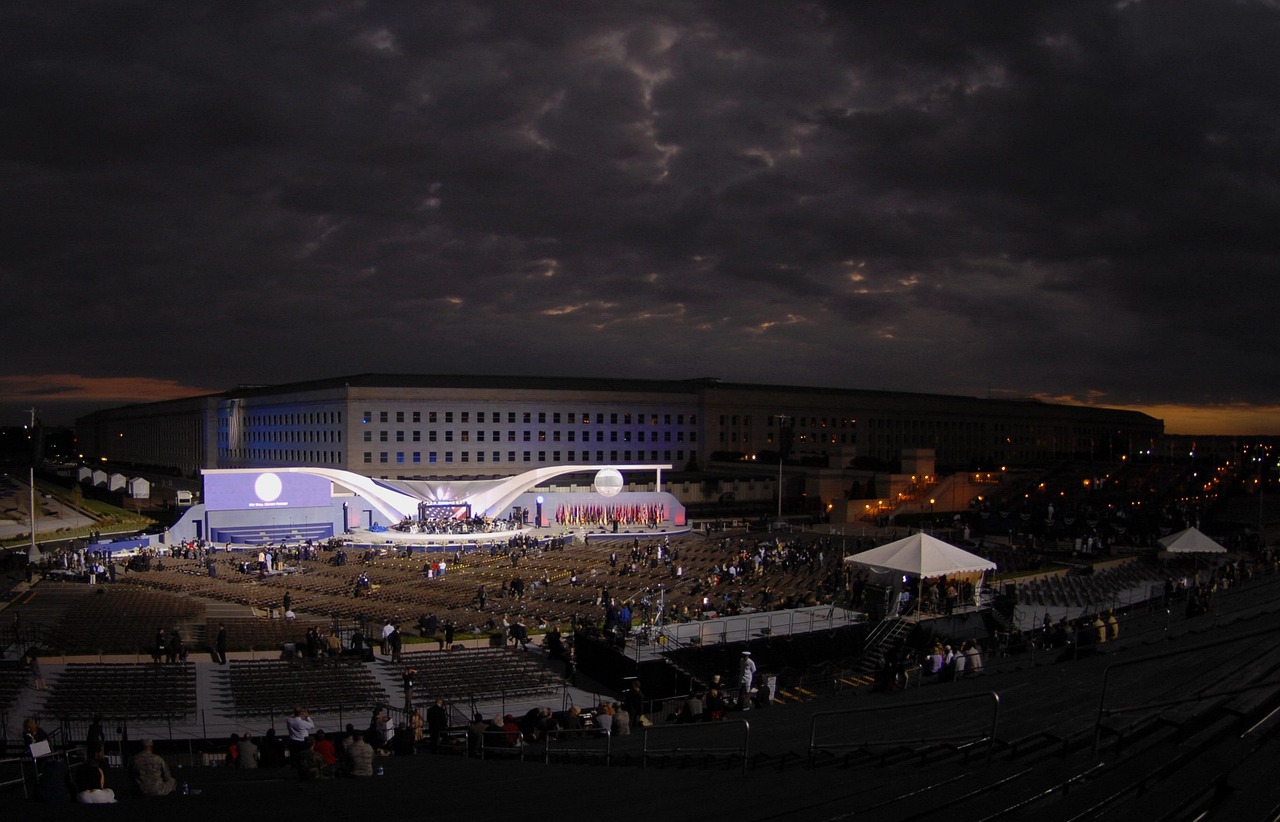

U.S. Defense Secretary Pete Hegseth has summoned Dario Amodei, the CEO of Artificial Intelligence company Anthropic, to the Pentagon for a high-level discussion. The meeting centers on the military’s use of Anthropic’s Claude AI system and includes a threat to designate the company a supply chain risk.
Details of the Pentagon Meeting
The summons indicates a significant escalation in the Defense Department’s scrutiny of its partnerships with leading AI firms. Secretary Hegseth’s specific concerns regarding Claude’s military applications were not detailed in the initial report, but the threat of a “supply chain risk” designation carries substantial consequences. Such a designation can restrict or prohibit a company from contracting with the Department of Defense, citing potential vulnerabilities in the procurement chain.
The meeting is described as tense, suggesting fundamental disagreements over the scope, safety, or ethics of deploying advanced conversational AI within defense and intelligence contexts. This action places Anthropic, a company that has publicly emphasized AI safety and responsible development, under direct governmental pressure regarding its technology’s end-use.
Background on Anthropic and Claude
Anthropic is a major AI research and development company known for creating Claude, a family of large language models positioned as a competitor to systems like OpenAI’s GPT. The company has consistently framed its mission around building reliable, interpretable, and steerable AI systems. Its core technical approach, Constitutional AI, aims to align AI behavior with a set of predefined principles.
Claude is utilized across various industries for tasks like analysis, coding, and content generation. The potential military or defense applications of such a general-purpose technology are broad, ranging from logistics and administrative support to more sensitive areas like intelligence summarization, simulation, and planning. The precise nature of the Pentagon’s use case for Claude remains unclear.
Implications of a Supply Chain Risk Designation
A formal “supply chain risk” designation by the U.S. government is a serious regulatory action. It is typically applied when a product or service is deemed to pose a threat to National Security due to vulnerabilities like foreign control, malicious code, or unacceptable risk of sabotage. The process is managed by agencies like the Department of Defense and the Office of the Director of National Intelligence.
For Anthropic, this designation would severely impact its ability to work not only with the Defense Department but potentially with other federal agencies and contractors. It could also influence the decisions of commercial partners, especially those in critical infrastructure sectors. The threat underscores the growing tension between rapid AI innovation and national security imperatives.
Broader Context of AI and National Security
This development occurs amid a global race for AI supremacy and increasing governmental efforts to regulate the technology. The U.S. military has been actively exploring AI for years, seeking advantages in areas from predictive maintenance to autonomous systems. However, the integration of powerful, commercially-developed large language models presents new challenges for security audits, operational control, and ethical compliance.
Other AI companies have also navigated complex relationships with defense departments. The sector faces ongoing internal and public debates about the morality of military contracts. The Pentagon’s move to scrutinize Anthropic signals a proactive, and potentially more aggressive, stance in vetting the foundational technology providers upon which modern software increasingly relies.
Expected Next Steps
Following the meeting, Anthropic is expected to engage in further dialogue with Pentagon officials to address the specific concerns raised. The company may need to provide detailed technical documentation, security audits, or propose modified usage protocols for its technology. A decision on whether to formally proceed with the supply chain risk designation is likely pending the outcome of these discussions. The situation will be closely watched by the defense, technology, and policy communities as a precedent for how the U.S. government manages its dependencies on cutting-edge, dual-use AI systems developed in the private sector.
Source: GeekWire