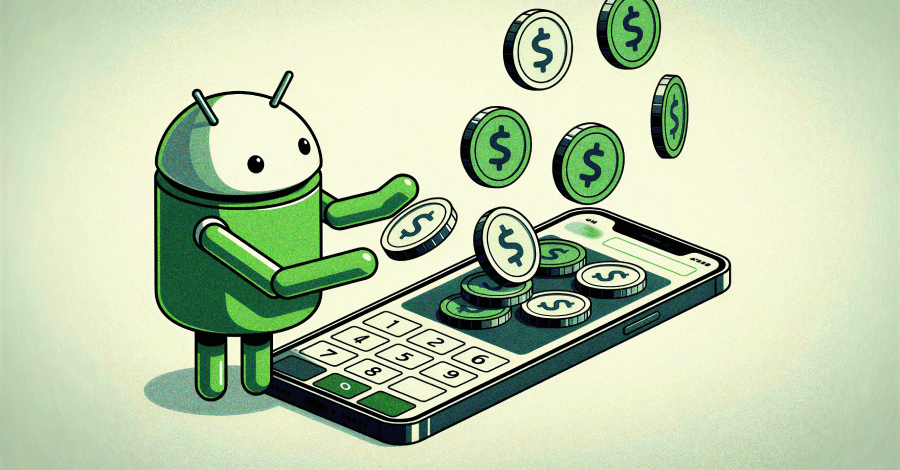

Cybersecurity researchers have identified six distinct families of Android malware designed to steal sensitive data and execute financial fraud. These malicious software packages target popular payment systems, banking applications, and cryptocurrency wallets on mobile devices.
The discovery was announced this week by security analysts who monitor threats to mobile operating systems. The malware families range from specialized banking trojans to comprehensive remote administration tools, indicating a significant and evolving threat to Android users globally.
Capabilities and Targets of the Malware
The newly documented malware families possess capabilities to harvest credentials, intercept two-factor authentication codes, and gain remote control over infected devices. Their primary targets include applications for the Pix instant payment system, used extensively in Brazil, along with international banking apps and digital wallets for storing cryptocurrencies.
According to researchers, the malware operates by using overlay attacks, where fake login screens are displayed over legitimate apps to capture usernames and passwords. Some variants can also bypass security measures, log keystrokes, and send fraudulent transactions without the device owner’s knowledge.
Identified Malware Families
The six families have been named by the cybersecurity community. They include PixRevolution, TaxiSpy RAT, BeatBanker, Mirax, and Oblivion RAT. These are primarily classified as banking trojans. A sixth family, identified as SURXRAT, functions as a full-featured remote administration tool, granting attackers extensive control over a compromised device.
Each family exhibits slightly different infection vectors and technical features, but they share the common goal of financial theft. Security reports indicate these threats are distributed through third-party app stores, phishing messages, and malicious advertisements.
Implications for Users and Institutions
The emergence of these malware families highlights the continued focus of cybercriminals on mobile financial platforms. As digital payments and cryptocurrency adoption increase, mobile devices become more attractive targets for sophisticated attacks.
Financial institutions and payment service providers are likely to review their application security protocols in response to these findings. The malware’s ability to target specific regional payment systems like Pix demonstrates a tailored approach by threat actors.
Recommended Protective Measures
Security experts universally recommend that users only download applications from official stores such as Google Play. They also advise keeping the device’s operating system and all apps updated to the latest versions, which often contain critical security patches.
Users should be cautious of granting unnecessary permissions to applications, especially those requesting accessibility services that can control the screen. Installing a reputable mobile security application can provide an additional layer of defense against known threats.
Looking ahead, cybersecurity firms are expected to release more detailed technical analyses of these malware families. Antivirus vendors are updating their detection databases to identify and block the new threats. Law enforcement agencies in affected regions may initiate investigations into the groups responsible for developing and distributing this malicious software, as the focus on financial theft carries significant legal consequences.
Source: Cybersecurity Research Reports