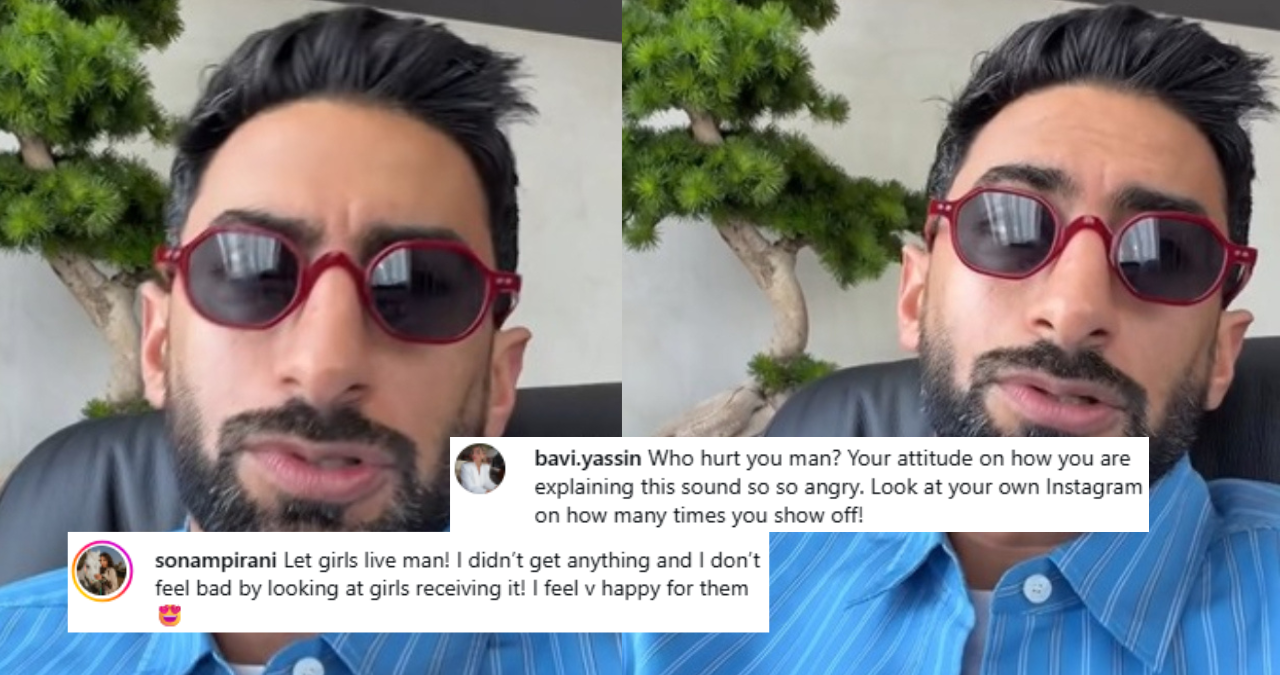

An Emirati businessman’s public critique of women sharing expensive Valentine's Day gifts online has sparked a significant backlash on social media platforms. The comments, made by Anas Bukhash, a well-known entrepreneur and television host from the United Arab Emirates, were posted in mid-February, coinciding with the Valentine’s Day period. The incident highlights ongoing global debates about consumerism, social media culture, and gender dynamics in the digital age.
Background of the Comments
Anas Bukhash, founder of the marketing agency Ahdaaf and host of the interview show “#ABTalks,” addressed the topic on his public social media channels. In his posts, he expressed a critical view of what he described as the public showcasing of luxury gifts received for Valentine’s Day. Bukhash suggested that such displays were inappropriate, framing his perspective within a broader commentary on social values and public behavior.
The businessman is a public figure in the Middle East, particularly in the UAE, with a substantial following across platforms like Instagram and X (formerly Twitter). His remarks quickly moved beyond his immediate audience, gaining traction as screenshots and discussions spread internationally.
Online Reaction and Pushback
The response from netizens was swift and largely critical of Bukhash’s position. Many users accused him of hypocrisy and double standards, questioning why the focus was solely on women receiving gifts rather than on the men purchasing them. Others defended the right of individuals to share moments of joy and celebration on their personal social media accounts.
A significant portion of the counter-argument centered on themes of autonomy and choice. Commenters pointed out that criticizing women for sharing gifts shifts blame away from the culture of extravagant spending itself. The discourse expanded to include discussions about performative generosity and the pressure on partners to engage in public displays of affection through material goods.
Broader Context of Social Media and Consumerism
This incident occurs against a backdrop of wider criticism concerning the influence of social media on personal relationships and consumer habits. Valentine’s Day has long been a peak period for targeted advertising and promotions encouraging lavish spending on jewelry, travel, and luxury items. The holiday’s commercialization is a frequent topic of analysis among sociologists and consumer behavior experts.
Platforms like Instagram and TikTok have amplified the visibility of gift-giving, creating what some analysts call a “comparison economy” where private acts become public benchmarks. This environment can generate pressure for individuals to match or exceed the perceived standards set by peers and influencers online.
Potential Implications and Next Steps
While the online debate has been vigorous, no formal statements have been issued by Bukhash or his representatives in direct response to the backlash at the time of reporting. The episode is likely to be referenced in future discussions about influencer responsibility, online shaming, and the gendered aspects of social media criticism.
Observers anticipate that the conversation may prompt other public figures in the region to weigh in on the intersection of tradition, modernity, and digital expression. Furthermore, marketing firms and social media analysts may examine the incident as a case study in audience engagement and the risks of commentary on culturally sensitive topics. The lasting impact will depend on whether the discussion leads to a broader, sustained examination of consumption patterns and online sharing etiquette.
Source: Mashable