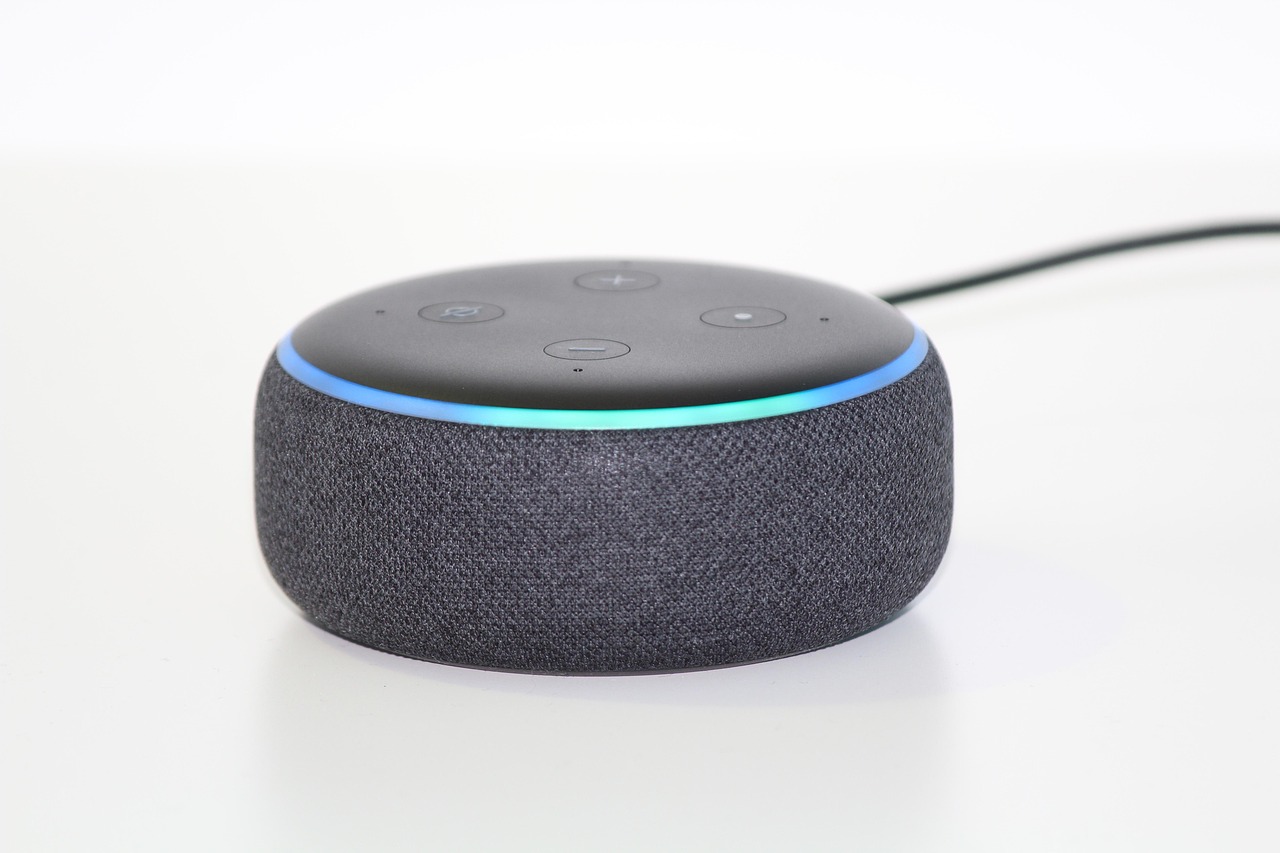

Amazon has introduced a new artificial intelligence shopping assistant, powered by its Alexa+ platform, that will be integrated directly into the search bar of its website and mobile application. The feature, officially named Alexa for Shopping, is designed to provide a voice and touch enabled shopping experience across multiple devices including smartphones, desktop computers, and Echo Show smart displays.
The announcement was made by the company as part of ongoing efforts to enhance the e-commerce experience through generative AI. The rollout represents a significant update to Amazon’s core shopping interface, placing AI driven recommendations directly within the primary search function used by millions of customers.
Core functionality and device support
Alexa for Shopping is accessible across mobile, desktop, and Echo Show devices. Users can interact with the assistant using either voice commands or touch inputs, depending on the device they are using. The system is designed to offer a conversational shopping experience, allowing customers to ask questions, refine searches, and compare products without navigating multiple pages.
On Echo Show devices, the assistant can display visual information such as product images and pricing alongside spoken responses. On mobile and desktop platforms, the assistant appears within the search bar interface, suggesting products and answering queries in real time.
Personalization and cross retailer integration
The assistant provides more personalized recommendations based on a user’s shopping history, preferences, and past interactions with Alexa. The personalization engine draws on data from previous purchases, saved items, and browsing behavior to tailor suggestions. Amazon stated that the system automates aspects of the shopping experience, reducing the time customers spend searching for products.
Beyond Amazon’s own marketplace, Alexa for Shopping includes functionality that can present options from other online retailers. The company has not specified the full list of external retailers participating initially, but the feature is intended to function as a cross platform shopping assistant rather than a store specific tool.
Technical foundation and AI capabilities
The assistant is powered by Alexa+, the latest version of Amazon’s voice assistant technology, which incorporates advanced large language models and natural language processing capabilities. Alexa+ was announced earlier this year and represents a major upgrade over the original Alexa, enabling more complex conversational interactions and contextual understanding.
The integration of Alexa+ into the search bar marks a shift in how Amazon approaches product discovery. Instead of relying solely on keyword based search algorithms, the AI assistant can interpret natural language queries such as “find a waterproof jacket under 100 dollars” and return relevant results with explanations for each recommendation.
Impact on user experience
For customers, the AI assistant may reduce the need to manually filter through search results. The system can handle follow up questions, such as asking for a different color or size without requiring the user to restart their search. This conversational flow is intended to mimic the experience of speaking with a human sales associate.
Amazon has emphasized that the assistant is designed to handle product comparisons, answer questions about specifications, and provide summaries of customer reviews. The company has not disclosed the specific accuracy rates or testing data for the assistant’s recommendations.
Competitive context
The launch places Amazon in direct competition with other major technology firms that have introduced AI shopping tools. Google has integrated its generative AI into shopping searches, and several startups have developed AI powered personal shopping assistants. Amazon’s advantage lies in its vast product catalog and existing user base, which provides a large dataset for training and personalization.
The timing of the announcement aligns with the broader industry trend of embedding conversational AI into consumer applications. Retail analysts have noted that AI shopping assistants could change how customers discover and purchase products online, potentially reducing the dominance of traditional search results.
Amazon has not provided a specific timeline for the full rollout of Alexa for Shopping to all users. The feature is expected to be available in the coming months across supported devices and regions. The company is likely to gather user feedback during the initial launch phase and refine the assistant’s responses and capabilities accordingly.
Source: Delimiter