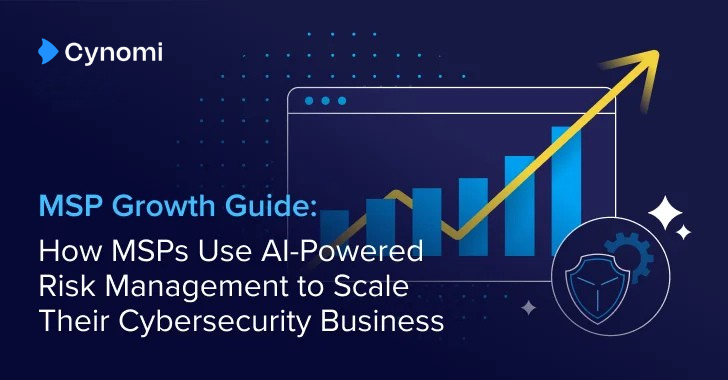

managed service providers and Managed Security Service Providers are increasingly integrating artificial intelligence into their risk management frameworks to expand their cybersecurity offerings. This strategic shift is driven by the need to deliver consistent, value-driven security services to a growing client base across multiple regions. Industry analysts confirm this approach is becoming a standard operational model for service providers aiming to scale effectively.
The Foundation of a Scalable Model
Experts point to risk-based cybersecurity as the foundational element for scalable service delivery. This methodology prioritizes security efforts based on the specific threats and vulnerabilities most likely to impact a client’s business operations. The objective is to allocate resources efficiently, moving beyond a one-size-fits-all security posture.
For service providers, implementing this model requires both specialized technical knowledge and a business structure capable of demonstrating clear return on investment. The transition allows providers to manage security for numerous clients from a centralized platform, applying consistent policies and response protocols.
Operational and Business Implications
When executed effectively, a risk-based approach supported by AI automation is reported to strengthen client relationships. By providing clear, data-driven insights into their security posture, providers can build a higher degree of trust. This transparency often forms the basis for longer-term contractual agreements.
Furthermore, this model creates opportunities for service expansion within existing client accounts. As providers gain a deeper understanding of a client’s risk profile, they can recommend additional, tailored security measures. This dynamic contributes to more stable, recurring revenue streams for the service providers.
The Role of Automation and Process
Achieving consistency at scale is not possible with manual processes alone. Industry observers note that successful implementation hinges on deploying the correct technological tools and standardized procedures. AI-powered platforms are frequently cited as critical for automating threat detection, risk assessment, and compliance reporting.
These systems can analyze vast amounts of log and event data to identify patterns indicative of potential breaches or vulnerabilities. This allows human security analysts to focus on investigating high-priority alerts and developing strategic countermeasures, rather than sifting through data manually.
Future Developments and Industry Trajectory
The integration of AI in managed security services is expected to deepen. Providers are likely to invest further in platforms that offer predictive capabilities, aiming to identify and mitigate risks before they are exploited. The focus will remain on tools that enhance operational efficiency while providing tangible, reportable value to clients.
Concurrently, standardization of risk assessment frameworks and reporting metrics across the industry may increase. This would allow for clearer benchmarking and comparison of security postures, further professionalizing the managed security service sector. The evolution of these services will continue to be shaped by the evolving cyber threat landscape and regulatory environments worldwide.
Source: Industry Analysis