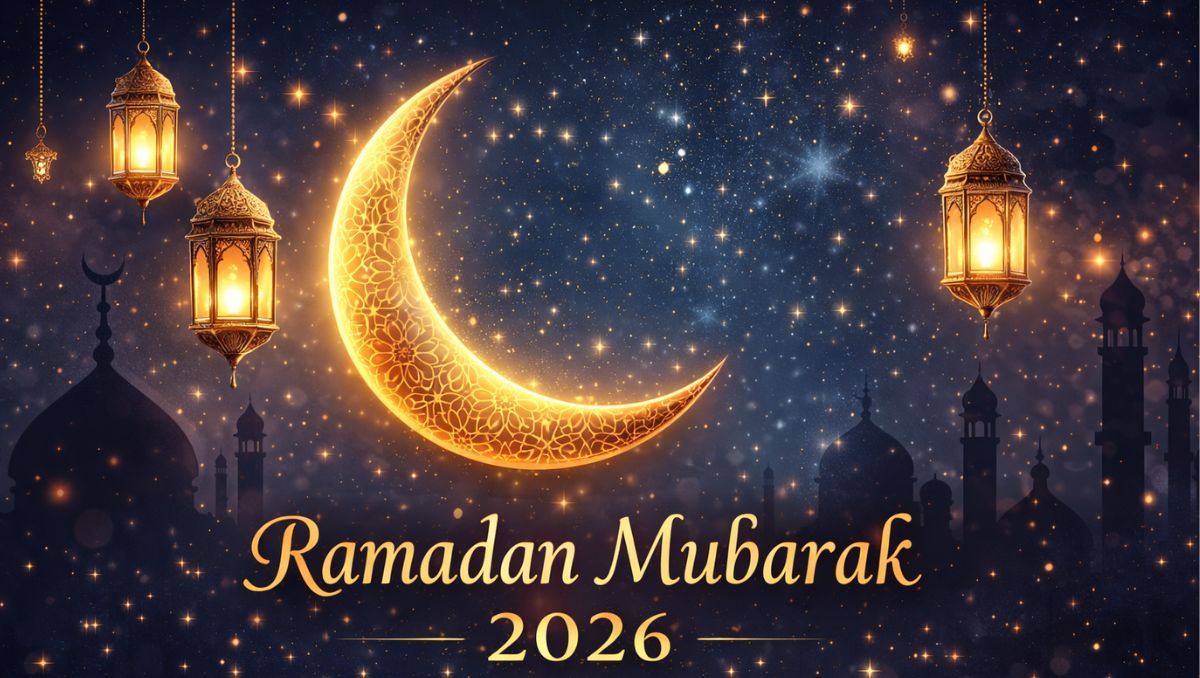

As the holy month of Ramadan approaches in 2026, a growing number of individuals are turning to Artificial Intelligence to help craft personalized greetings for friends and family. This trend reflects the increasing integration of AI tools into daily cultural and religious practices worldwide.
The Rise of AI-Assisted Communication
The use of AI for generating festive messages has seen a steady increase over recent years. During Ramadan, a period marked by reflection, community, and increased communication, many seek meaningful ways to connect. AI platforms offer users a method to create customized Ramzan Mubarak wishes and messages quickly, often providing templates and creative suggestions based on simple user prompts.
Experts note this is part of a broader pattern where generative AI is utilized for personal and social tasks. These tools analyze vast datasets of language to produce text that aligns with the tone and sentiment of traditional holiday greetings.
How the Technology Functions
Users typically interact with these systems by inputting a short prompt or a set of keywords. For example, a user might request a “warm Ramzan message for a distant relative” or a “short Ramadan Kareem wish for a social media post.” The AI model then generates several options, which the user can edit or use directly.
The technology operates without promotional intent for any specific service. It is a functional application of large language models, which are publicly accessible through various research and commercial interfaces. The core function is to assist with content creation, not to endorse any particular company or product.
Cultural and Practical Considerations
Observers of Technology Trends indicate that the adoption of AI for religious and cultural correspondence highlights a shift in how digital tools are perceived. They are moving from purely commercial or entertainment uses to supporting personal, meaningful interactions. The practice allows individuals who may struggle with wording to participate more fully in the social traditions of the season.
The process is generally viewed as a neutral tool. The output’s appropriateness and sincerity depend entirely on the user’s input and subsequent personalization. There is no automated sentiment; the AI simply processes language patterns.
Forward-Looking Developments
As AI models continue to evolve, their capacity for understanding nuanced cultural and religious contexts is expected to improve. This could lead to more sophisticated and context-aware message generation for Ramadan and other observances in the future. The trend is likely to persist as these technologies become more embedded in common software and communication platforms, making them readily available for a wider global audience seeking to maintain connections during significant periods.
Source: Various AI and technology trend reports