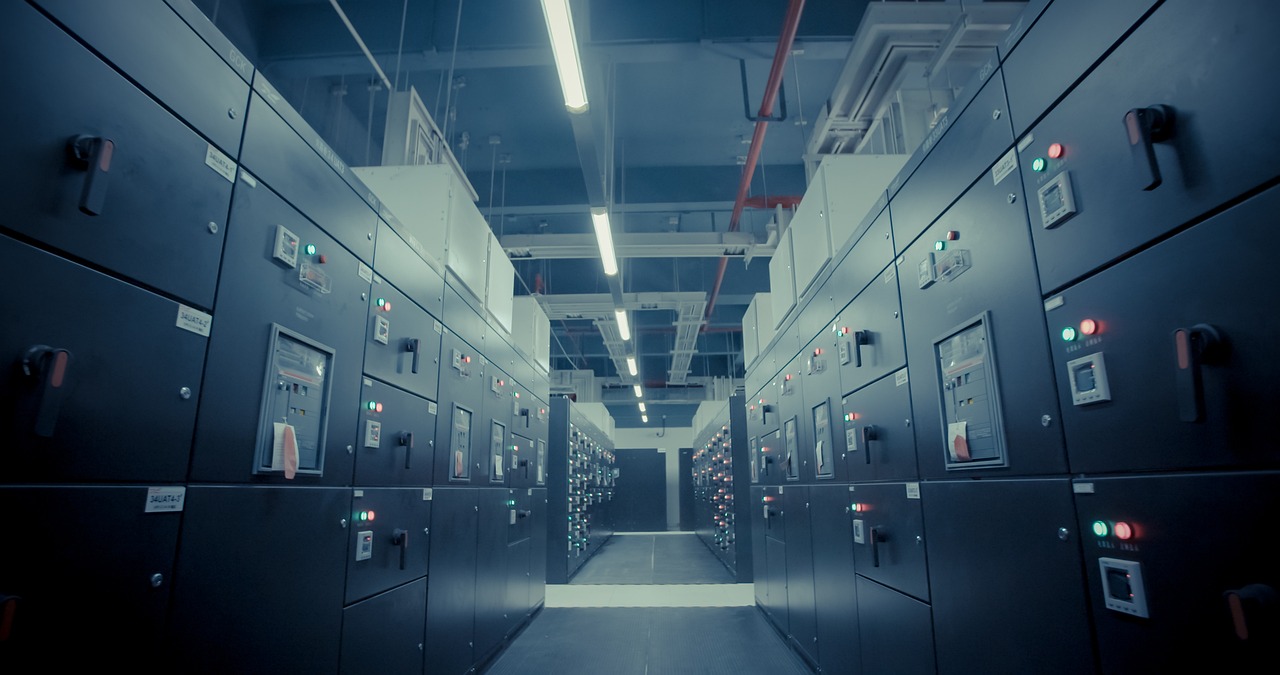

The Indian government has launched a major initiative to attract more than $200 billion in investment for Artificial Intelligence infrastructure by the year 2028. This strategic push, announced this week, includes a significant expansion of shared computing power, beginning with the addition of 20,000 graphics processing units to a national AI compute grid.
Building a Foundation for Global AI Leadership
This investment target forms the cornerstone of a national strategy to position India as a key player in the global AI ecosystem. The plan focuses on creating a robust, publicly accessible foundation of computing resources. The initial procurement of 20,000 GPUs, which are critical hardware for training complex AI models, marks the first phase of this large-scale build-out.
Officials stated that the development of shared AI compute infrastructure is intended to lower the barrier to entry for startups, academic researchers, and enterprises. By providing access to high-performance computing, the government aims to foster domestic innovation and reduce dependency on foreign cloud and compute services for advanced AI development work.
Context and Global Competition
The move places India in direct competition with other nations racing to establish sovereign AI capabilities. Countries like the United States, China, and several in the European Union have all announced substantial public and private investments in artificial intelligence research and infrastructure. India’s approach emphasizes a public-private partnership model to reach its ambitious financial goal.
The initiative is also seen as a critical effort to support the country’s growing technology talent pool. India has a vast number of software engineers and data scientists, and enhanced domestic infrastructure could enable them to work on more advanced projects without needing to relocate or rely on international platforms.
Economic and Strategic Implications
Attracting over $200 billion in investment would have significant economic ramifications. It is expected to stimulate growth in related sectors such as semiconductor manufacturing, data center construction, and AI application development. The government has indicated that policy frameworks and incentive schemes to facilitate this foreign and domestic capital inflow are being finalized.
Analysts observe that success in this area could transform India from a major consumer of AI technologies into a net producer and exporter of AI solutions and services. The focus on infrastructure is designed to create an enabling environment for the entire AI value chain, from foundational model development to industry-specific applications in healthcare, agriculture, and governance.
Next Steps and Implementation Timeline
The rollout of the 20,000 GPU cluster is scheduled to occur in stages over the next 18 to 24 months. Government agencies are tasked with identifying strategic locations for these compute nodes, likely prioritizing existing academic and research hubs. Concurrently, the Ministry of Electronics and Information Technology is leading efforts to craft detailed policy guidelines for the allocation of compute resources and the management of associated data governance and security protocols.
Further announcements regarding specific investment partnerships, both international and domestic, are anticipated before the end of the current fiscal year. The government’s stated timeline aims to have the core AI compute infrastructure operational and a substantial portion of the targeted investment commitment secured by 2026, paving the way for accelerated growth leading up to the 2028 target.
Source: Various Official Announcements