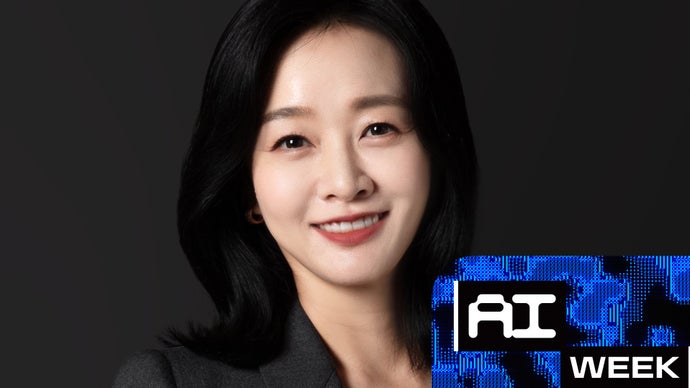

Songyee Yoon, the former president of South Korean gaming giant NCSoft, has stated that artificial intelligence is now an inseparable component of video game development. The executive made the remarks during a recent industry discussion, highlighting the technology’s pervasive influence on the creative and technical processes behind modern games.
Yoon’s comments underscore a significant shift within the global gaming industry, where AI tools are increasingly utilized for tasks ranging from character animation and environmental design to balancing gameplay mechanics and personalizing player experiences. Her perspective carries weight due to her leadership role at NCSoft, the company behind major online titles like “Lineage” and “Guild Wars.”
The Inevitable Integration of AI
According to Yoon, considering game development without factoring in AI is no longer a feasible approach. She described the technology as a fundamental layer in the contemporary development pipeline. This integration is seen across both large studios and independent developers seeking efficiency and new creative possibilities.
The use of AI in gaming is not a singular application but a broad suite of technologies. Machine learning algorithms can assist in generating complex in game textures and assets, potentially reducing repetitive manual work for artists. Procedural content generation, powered by AI, can create vast, unique game worlds, a technique popular in open world and survival genres.
Investment and Strategic Focus
Yoon’s discussion also touched on the strategic importance of investing in an AI driven future for the sector. For major corporations and investors, backing AI research and development is increasingly viewed as critical for maintaining a competitive edge. This includes investments in specialized startups, internal R&D departments, and partnerships with academic institutions.
The financial implications are substantial. AI can streamline production, potentially lowering costs and development time for certain tasks. However, it also requires significant upfront investment in computational infrastructure, talent acquisition, and ongoing model training. The industry is navigating this balance between cost and capability.
Industry-Wide Transformation
The gaming industry’s adoption of AI mirrors broader technological trends but is particularly pronounced due to the sector’s reliance on digital content creation and interactive systems. Other industry leaders have echoed similar sentiments, pointing to AI’s role in testing games, managing live service operations, and analyzing player data to inform design decisions.
This transformation also raises ongoing discussions within developer communities regarding the ethical use of AI, the need for new skill sets, and the evolving nature of game development careers. Industry events and conferences increasingly feature dedicated tracks on AI implementation and its future trajectory.
Future Developments and Expectations
Looking ahead, the integration of AI in game development is expected to deepen, moving beyond assistive tools toward more collaborative and generative roles. Industry analysts anticipate further advancements in AI driven narrative design, dynamic difficulty adjustment that reacts to individual player skill in real time, and the creation of more believable non player character behavior.
The next phase will likely involve more sophisticated partnerships between human creativity and machine intelligence, defining a new paradigm for how games are conceived and built. Official timelines for these developments vary by company, but the strategic direction, as highlighted by figures like Songyee Yoon, appears firmly established across the global market.
Source: GamesIndustry.biz