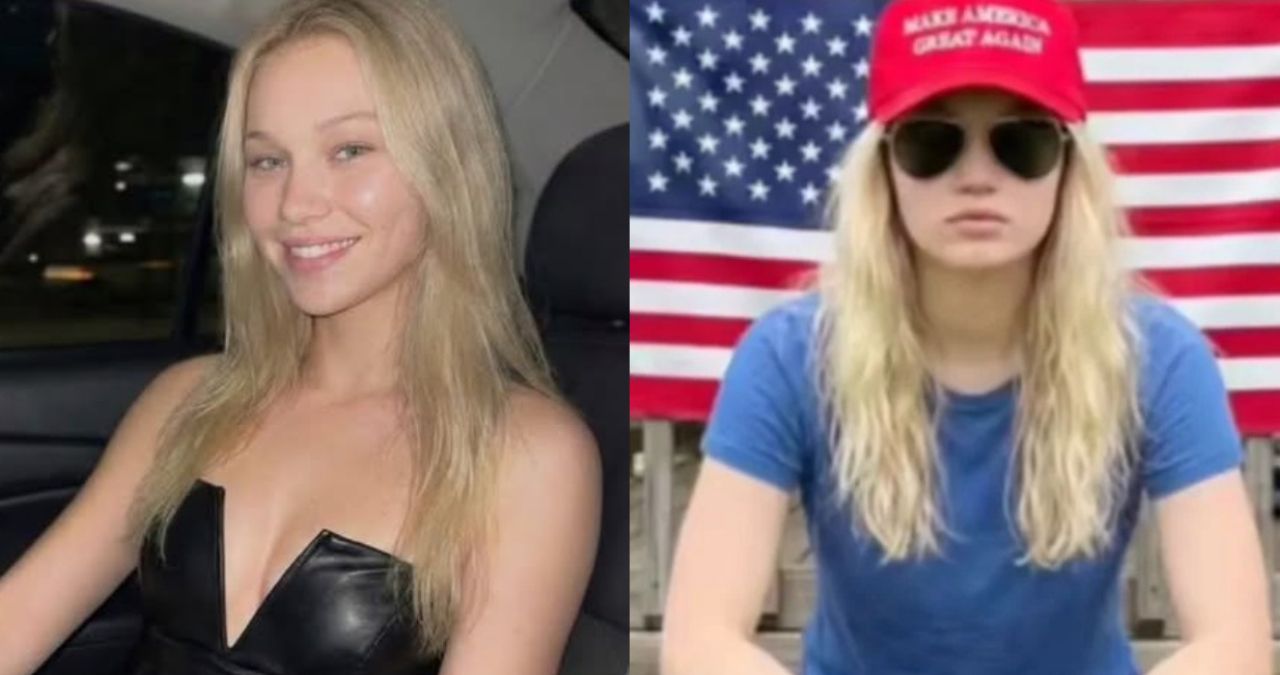

A 22-year-old university student in India has been exposed for orchestrating an AI-generated scam involving a fake conservative American political influencer named “Emily Hart.” The operation, designed to generate revenue through social media promotions, was revealed this week after online investigators traced the digital persona back to its creator.
Operation and Exposure
The scheme involved creating a completely fictional character, “Emily Hart,” portrayed as a fervent MAGA (Make America Great Again) supporter. The student used artificial intelligence tools to generate photorealistic images of a non-existent woman and authored posts expressing strong right-wing political views. The account amassed followers across platforms like X (formerly Twitter) and Instagram, leveraging its audience to secure paid promotional deals from various companies.
The scam unraveled when digital forensics enthusiasts and journalists noticed inconsistencies in the AI-generated imagery and the account’s behavior. Through analysis of digital artifacts and cross-referencing information, they linked the operation to the student in India. The individual reportedly admitted to the scheme, stating it was an attempt to earn “easy money” by capitalizing on political divisions and the monetization features of social media platforms.
Broader Implications for Social Media
This incident highlights the growing sophistication and accessibility of AI tools used to create persuasive disinformation. The ability to generate a believable fictional persona, complete with a political agenda and a fabricated backstory, poses significant challenges for platform integrity and public discourse. Experts note that such scams erode trust and complicate efforts to distinguish between genuine users and malicious bots or fake accounts.
Social media companies have policies against impersonation and coordinated inauthentic behavior. However, the rapid evolution of generative AI makes enforcement increasingly difficult. The “Emily Hart” case demonstrates how financial incentives can drive the creation of synthetic media for fraud, moving beyond mere political influence into commercial deception.
Reactions and Next Steps
The exposure has sparked discussions among cybersecurity professionals and policy analysts. Many are calling for enhanced verification systems and more robust digital provenance standards to help users identify AI-generated content. The companies that paid for promotions through the fake account are now reviewing their influencer vetting processes.
Legal experts indicate that while the creator is located in India, the scam targeted a U.S. audience and involved financial transactions, which could potentially involve fraud statutes in multiple jurisdictions. The social media platforms where “Emily Hart” operated have since suspended the associated accounts for violating terms of service regarding authenticity and spam.
Moving forward, analysts expect increased scrutiny of political influencer accounts, especially those that rapidly gain traction. Technology researchers predict a continued arms race between those creating deceptive AI content and the detection systems designed to stop them. This case is likely to be cited in ongoing regulatory debates concerning AI ethics, social media accountability, and digital advertising standards.
Source: Mashable