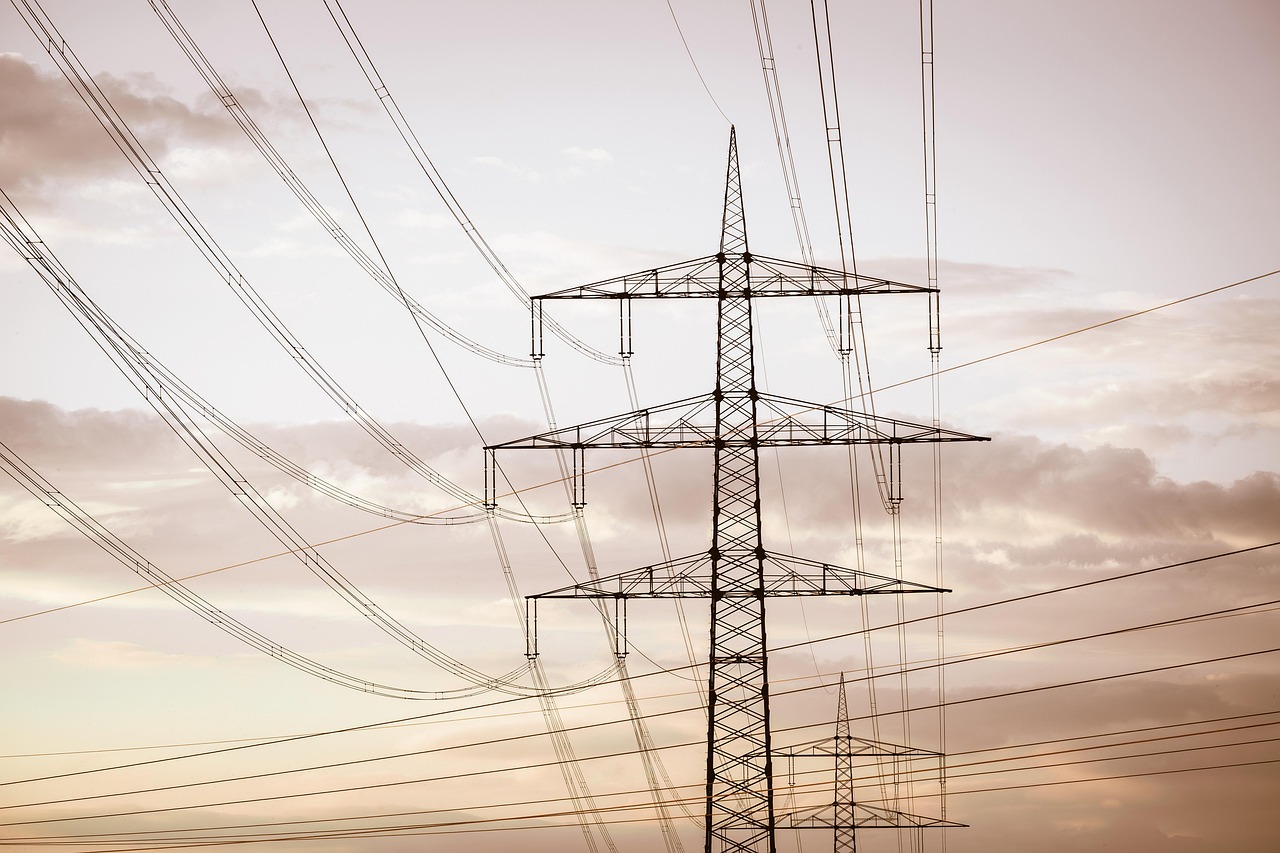

Lake Tahoe, a primary vacation destination for residents of Silicon Valley, is facing an increase in energy prices as rising electricity demand from artificial intelligence strains regional power supplies. The California resort area relies on an electricity provider that is now grappling with higher wholesale costs driven by the technology sector’s rapid expansion.
Higher costs for a favored getaway
Liberty Utilities, the company that supplies power to much of the Lake Tahoe basin, has filed a request with state regulators to raise rates for its customers. The utility cites a surge in wholesale electricity prices, a trend directly linked to the growing energy consumption of data centers supporting artificial intelligence applications.
The proposed rate increase would affect thousands of homes and businesses in the area. For many second-home owners and tourists from the San Francisco Bay Area, this represents an additional financial burden on what has traditionally been an affordable mountain retreat.
The AI energy connection
Data centers that power AI models require massive amounts of electricity, far more than traditional cloud computing workloads. As major technology companies build and expand these facilities, they compete for available power on regional grids, driving up wholesale prices for all consumers.
Liberty Utilities does not generate its own electricity but purchases it on the open market. When demand from AI data centers increases, the utility pays more for that power and must pass those costs along to its customers. The company has stated that it has no choice under current market conditions.
Implications for the region
Lake Tahoe is not alone in experiencing these pressures. Communities across Northern California and the broader Western United States are seeing similar trends as the technology industry’s energy needs grow. However, the impact is particularly acute in tourist-dependent areas where residents and visitors are sensitive to cost increases.
Local businesses, including hotels, ski resorts, and restaurants, may also face higher operating expenses. Some could be forced to raise prices for consumers or reduce services to maintain margins. The economic ripple effect could influence tourism patterns in the region.
Regulatory review underway
The California Public Utilities Commission is currently reviewing Liberty Utilities’ rate proposal. The commission will consider arguments from consumer advocates and industry stakeholders before making a final decision. A hearing is expected within the next several months.
Environmental groups have also raised concerns. They argue that the growth of AI data centers could slow progress toward renewable energy targets if new power sources are not developed responsibly. Many of these groups are calling for stricter efficiency standards for data centers.
Looking ahead
Energy analysts expect the trend of rising electricity demand from AI to continue for the foreseeable future. Unless new generation capacity, particularly from renewable sources, is brought online quickly, wholesale prices may remain elevated. Liberty Utilities has indicated it is exploring long-term power purchase agreements to stabilize costs, but no concrete plans have been announced. The outcome of the regulatory process will determine the immediate financial impact on Lake Tahoe residents and businesses.
Source: Delimiter Online