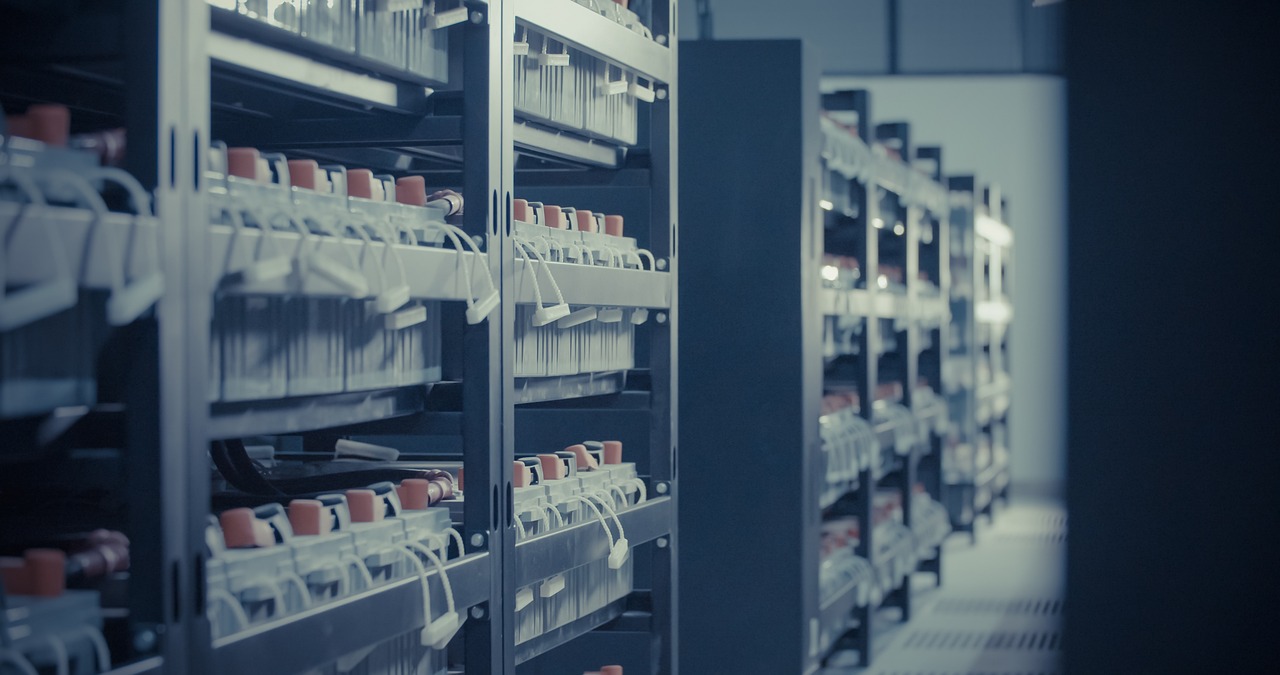

When the Cloud Meets Concrete
In recent years, the surge in artificial‑intelligence workloads has turned data centers into the new gold rush. Companies are building colossal facilities to house the GPUs, memory, and networking gear that keep machine‑learning models humming. Yet, while investors cheer, city planners and transportation officials are watching with growing concern. Every new server rack demands a larger footprint, more power, and a steadier flow of heavy trucks, and these demands can crowd out the resources earmarked for roads, bridges, and other critical infrastructure.
The Funding Tug‑of‑War
Federal, state, and local budgets are finite beasts. Pushing a data‑center project into the mix often means diverting a slice of the transportation purse. Consider how a 20‑million‑dollar data‑center in Texas might claim a portion of the state’s highway improvement grant. The result is a subtle, but measurable, erosion of funds available for upgrading aging bridges or expanding rural roads. When the budget lines shift, the very arteries that keep people and goods moving can suffer delays, or worse, neglect.
Concrete Cost of Connectivity
It isn’t just the money that’s at stake. The physical footprints of modern data centers are staggering. A single megastructure can occupy an acre of land, with cooling towers that dwarf the surrounding skyline. This land must be cleared of trees, leveled, and paved to accommodate the weight of the equipment and the traffic of delivery trucks. In many regions, this translates into the demolition or reconfiguration of existing roadways, the widening of highways, and the construction of new access roads—all of which add to the overall cost of the project.
Powering the Powerhouse
One of the biggest hidden costs of AI data centers is their appetite for electricity. Servers running training cycles can consume as much power as a small town. To meet this demand, utilities must ramp up generation capacity, often resorting to renewable sources with intermittent output or, in the short term, fossil‑fuel plants. The increased load on the grid can trigger upgrades to substations, transformers, and transmission lines. Those upgrades, while necessary, can divert funds from transportation projects and can lead to higher rates for all consumers, including businesses that rely on efficient road networks for logistics.
Truck Traffic and Road Wear
Heavy trucks are the lifeblood of data‑center construction and operation. From hauling raw materials to delivering server blades, the freight traffic can skyrocket in a region hosting a new facility. The extra weight accelerates pavement deterioration, leading to potholes, cracks, and the need for frequent repairs. If the local transportation department is already stretched thin, the increased maintenance burden can push other projects, such as bridge rehabilitation or new lane expansions, to the back burner.
Environmental Ripple Effects
While data centers are often touted as greener than traditional IT infrastructure, their environmental impact is not negligible. The cooling systems, for instance, rely on large volumes of water, which can strain local water supplies, especially in arid regions. Moreover, the construction phase can generate significant dust and noise pollution, affecting nearby communities and ecosystems. When these environmental costs are factored into the overall budget, the trade‑off between digital advancement and physical infrastructure becomes even more pronounced.
Case Study: The Texas Boom
Texas has become a magnet for data‑center developers, thanks to its favorable tax climate and abundant land. In the past decade, the state has seen a proliferation of megafarm‑style facilities, each claiming a share of the public purse for upgrades to roads and bridges. In one notable instance, a proposed data‑center project in the Dallas‑Fort Worth metroplex was linked to the postponement of an overpass renovation that had been slated for the same fiscal year. The delay rippled through the county, causing congestion on a key commuter route and raising safety concerns for pedestrians.
Balancing Act for City Planners
City officials are now grappling with a complex balancing act. On one hand, a data center can bring jobs, tax revenue, and a boost to the local economy. On the other, the same project can siphon resources from essential infrastructure that keeps the region moving. Some municipalities are negotiating more stringent agreements with developers, stipulating that a larger percentage of the cost must be covered by the private sector, or that the company must contribute to a dedicated infrastructure fund. Others are looking at zoning changes that require data‑center operators to invest directly in road improvements adjacent to their sites.
Technology as a Double‑Edged Sword
The very innovations that drive the need for expansive data centers also offer solutions to mitigate their impact. Advances in cooling technology, such as immersion cooling or the use of seawater in coastal regions, can reduce the need for land‑based cooling towers. Similarly, the adoption of renewable energy sources—solar, wind, or geothermal—can lower the strain on the electric grid. Yet, even with these mitigations, the sheer volume of construction, traffic, and power consumption remains a formidable challenge for municipalities.
Looking Ahead: What Should We Do?
As AI continues to permeate every corner of our digital lives, the pressure on physical infrastructure will only intensify. Policymakers, developers, and community leaders must collaborate to create frameworks that allow data‑center growth without compromising the roads, bridges, and public works we all depend on. Transparent budgeting, shared cost models, and a commitment to sustainable practices can help ensure that the data centers of tomorrow do not become the infrastructure of yesterday’s regrets.
The future of technology is bright, but it should not eclipse the concrete foundations that keep our societies running. If we can weave together the digital and the physical in a balanced, forward‑thinking strategy, we’ll build a world where AI thrives alongside safe, efficient, and resilient infrastructure.