
The conclusion of the HBO Series “A Knight of the Seven Kingdoms” featured a narrative development that has drawn attention from viewers. In the final scenes, the central characters, Ser Duncan the Tall and his squire Egg, departed from their location, leaving another key figure alone.
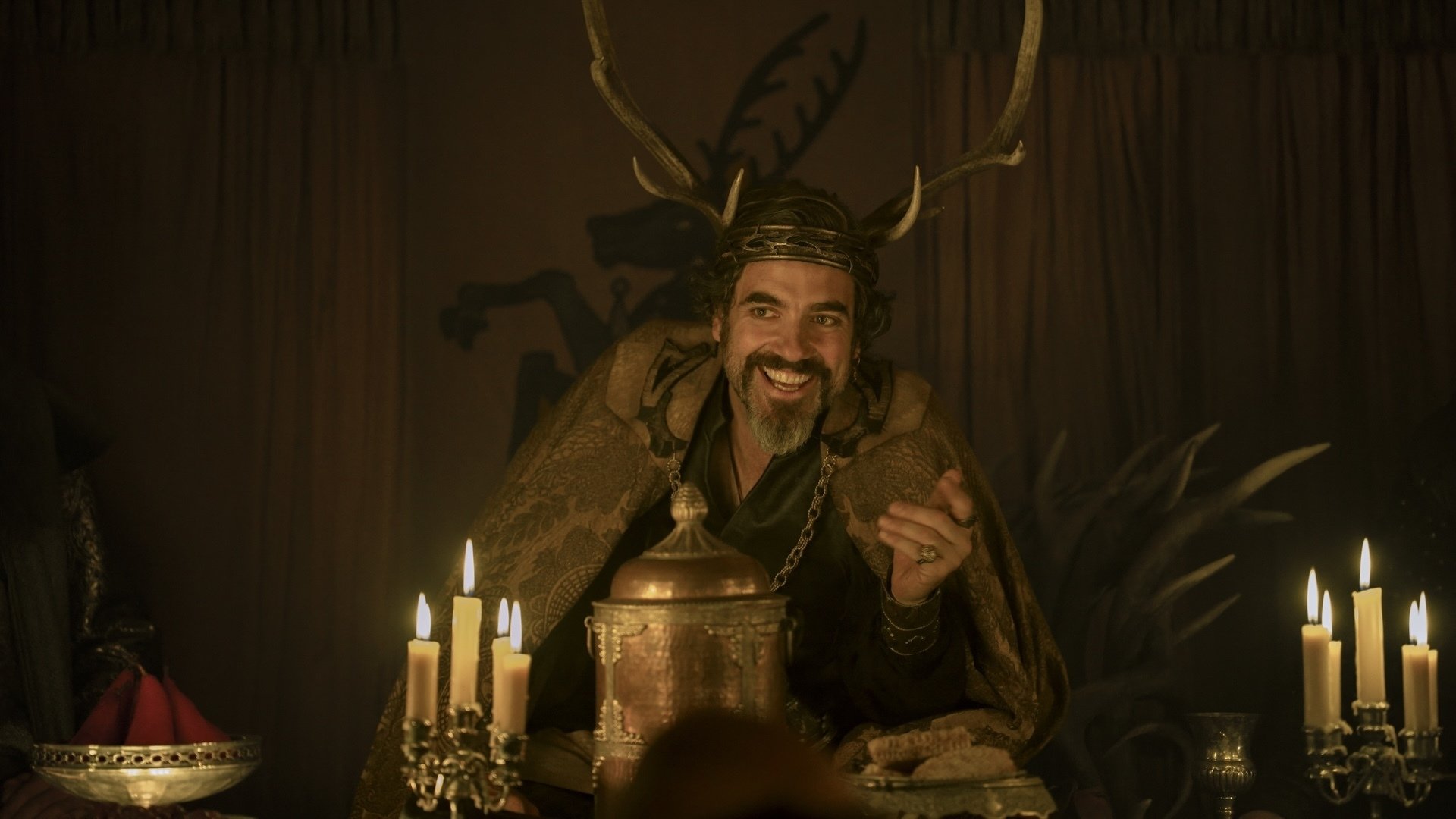
This character, Lyonel Baratheon, was shown remaining at Storm’s End, the ancestral seat of House Baratheon. The scene did not provide further narrative resolution for this character’s storyline, focusing instead on the departure of the two protagonists.
Character Role and Audience Reaction
Lyonel Baratheon is a supporting character in the series, which is based on George R.R. Martin’s “Dunk and Egg” novellas. Throughout the season, the character was involved in several of the story’s pivotal events alongside Dunk and Egg.
Following the broadcast, a segment of the audience expressed reaction to this narrative choice on social media and entertainment forums. The predominant sentiment focused on the perceived abruptness of the character’s exit from the primary narrative, with some viewers describing the character as having been left behind.
Series Context and Source Material
“A Knight of the Seven Kingdoms” serves as a prequel to the “Game of Thrones” television universe. It chronicles the adventures of the hedge knight Ser Duncan the Tall, played by Peter Claffey, and his young squire Egg, portrayed by Dexter Sol Ansell.
The series finale adapted events leading the pair away from their current location, which the source material indicates is Summerhall. This narrative direction is consistent with the established lore, which requires the characters to continue their journey. The adaptation’s choice to visually emphasize Lyonel Baratheon’s stationary position at this juncture is the specific element that prompted discussion.
Production and Narrative Perspective
From a production standpoint, television adaptations frequently make selective choices regarding which character moments to highlight within time constraints. A series finale must often prioritize concluding the central character arcs, which can result in supporting characters receiving less explicit narrative closure.
Industry analysts note that such narrative decisions are common in ensemble storytelling, especially within franchises featuring a large cast of characters. The focus typically remains on the protagonists’ journey, with the futures of secondary characters sometimes left ambiguous or to audience interpretation.
Future Implications
Looking ahead, the conclusion for Lyonel Baratheon’s current storyline remains open. The “Dunk and Egg” source material provides a broader history for the world of Westeros, and future seasons of the series could potentially revisit characters like Baratheon, depending on the creative direction chosen by the showrunners.
No official announcements have been made regarding a second season of “A Knight of the Seven Kingdoms” at this time. The production company and network will likely evaluate viewer response and overall performance metrics before making any renewal decisions. Further narrative exploration of characters introduced in the first season would be contingent upon such a renewal and the subsequent writing process.
Source: Mashable