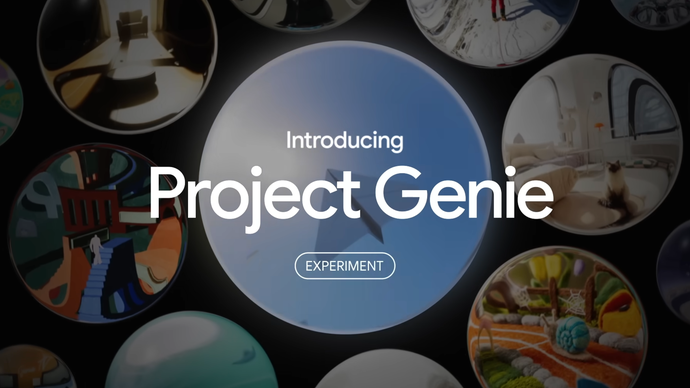

Google has initiated limited access to a new artificial intelligence system named Project Genie, a tool designed to enable the generation of interactive, “playable worlds.” The development, announced this week, marks a significant step in generative AI‘s application within digital content creation, particularly for games and simulations. The technology’s capacity to potentially incorporate copyrighted intellectual property has immediately drawn attention from the creative and legal sectors.
Core Functionality and Initial Access
Project Genie functions as a foundational world model. It interprets user prompts, which can be text, images, or sketches, and transforms them into navigable digital environments. These environments are not static images but simulated spaces where elements can interact, defining them as “playable.” The tool is currently in a closed, early access phase, available to a select group of creators and developers through an experimental program.
Google has not disclosed the full technical architecture of Project Genie but has indicated it builds upon recent advances in generative video and physics simulation AI. The company’s research division, DeepMind, alongside its AI labs, has been instrumental in developing the underlying technology. The goal is to lower the technical barrier for creating complex digital worlds, a process that traditionally requires large teams and extensive development time.
Copyright Implications and Industry Scrutiny
A central point of discussion surrounding Project Genie is its relationship with copyrighted material. Google’s documentation notes the AI can generate worlds that “feature copyrighted IP,” meaning users could theoretically prompt the creation of environments resembling those from established films, video games, or other media. The company has stated that the tool is intended for research and creative experimentation.
However, this capability raises immediate questions about copyright infringement, fair use, and the licensing of training data. Industry analysts note that the legal framework for AI-generated content involving existing intellectual property remains largely untested and varies by jurisdiction. Major game publishers and media companies are likely to monitor the tool’s use closely to protect their assets.
Potential Applications and Market Impact
The primary application for Project Genie is seen in game development and interactive media. Independent developers could use it to rapidly prototype game levels or entire worlds. Educational technology firms might employ it to create immersive historical or scientific simulations. Furthermore, it could be used for pre-visualization in film and television production.
Its release follows other industry moves into generative AI for games, such as Nvidia’s ACE technology for AI non-player characters. Google’s entry signals intensified competition in providing AI-powered creative tools to developers. The long-term impact could include accelerating production cycles and enabling new forms of user-generated content within digital platforms.
Technical and Ethical Considerations
Beyond copyright, the deployment of Project Genie involves other significant considerations. The quality, coherence, and safety of the AI-generated content are paramount. Google will need to implement robust content moderation systems to prevent the creation of harmful or offensive material. The environmental cost of training and running such large-scale AI models also remains a topic of ongoing debate within the tech community.
Ethically, the tool touches on issues of creative authorship and the potential displacement of certain design and artistic jobs. Proponents argue it augments human creativity, while critics caution against over-reliance on automated systems for core creative tasks.
Next Steps and Future Development
Google has outlined a phased rollout for Project Genie. The current early access period is focused on gathering feedback, stress-testing the system, and studying its use cases. A broader beta release for developers is expected later this year, though no specific public launch date has been set. The company has committed to working with creators and intellectual property holders to establish usage guidelines as the project evolves. Further technical papers detailing the model’s capabilities and limitations are anticipated in the coming months.
Source: GamesIndustry.biz