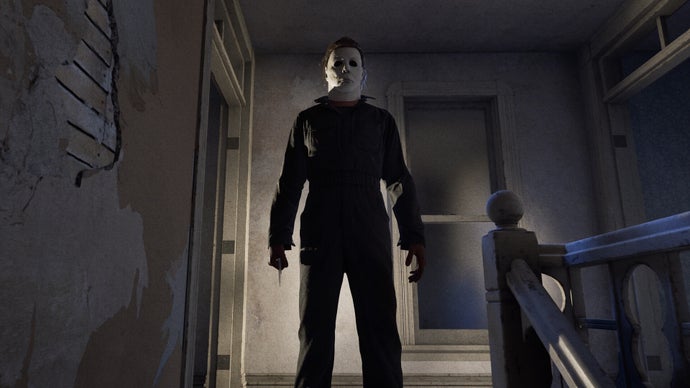

The Australian Classification Board has refused classification for the asymmetric horror game, Halloween: The Game, effectively banning its sale and distribution in both Australia and New Zealand. The decision, which blocks the game from the retail market in both nations, was confirmed by the game’s developer, IllFonic.
The refusal stems from the game’s depiction of drugs, which contravenes the strict content regulations applied under the National Classification Scheme in Australia. Under Australian law, any game that details or promotes illicit drug use is ineligible for classification, and games that do not hold a classification rating cannot legally be sold, hired, or advertised in the country.
Regulatory Impact on Regional Markets
While the ruling was issued by the Australian regulator, the decision carries immediate consequences for New Zealand. The two countries operate a coordinated classification system for video games, meaning that a refusal in Australia typically results in a similar ban across the Tasman Sea. This alignment ensures that Halloween: The Game will not be available through official retail channels in either territory.
The developer, IllFonic, known for other asymmetric multiplayer titles, has not yet issued a public statement regarding the specifics of the content flagged by the board. The game, based on the iconic horror film franchise, allows players to take on the roles of both the masked killer Michael Myers and his potential victims. However, the inclusion of drug-related elements has proven to be a decisive factor in the classification outcome.
Market Context and Developer Options
This decision places IllFonic in a position where they must decide whether to appeal the ruling or modify the game’s content to meet Australian standards. It is common practice for developers facing such refusals to submit a revised version of the game, with the offending material either altered or removed entirely, in an effort to secure an MA15+ or R18+ rating.
The Australian Classification Board has a history of strict enforcement regarding drug content, often applying the same standards used for assessing films to interactive media. The specific policy, outlined in the National Classification Code, dictates that depictions of drug use can only be permitted if they are deemed “strong” in impact and justified by context, though the threshold for interactive gameplay is often more stringent than for narrative cinema.
Industry analysts note that the ban represents a significant market loss for the title, as the Australian and New Zealand gaming markets are substantial contributors to the global entertainment software industry, particularly for digitally distributed titles. While physical copies will be blocked, the enforcement of digital storefronts typically follows the same legal parameters, restricting download availability as well.
Next Steps for the Title
As of now, there is no confirmed timeline for a revised submission or an appeal by IllFonic. The studio will need to weigh the cost of reworking the game’s assets against the potential revenue from the Oceania region. Historically,, some publishers have opted to hold a global release until a single, universally compliant version can be produced, though this often leads to delays if regional regulators flag different concerns.
For consumers in Australia and New Zealand, the game will remain unavailable until a successful reclassification is achieved. The outcome will depend on the negotiation between the developer and the Classification Board, with the most probable resolution being a censored patch that removes the specific drug imagery or references flagged during the review process.
Source: GamesIndustry.biz