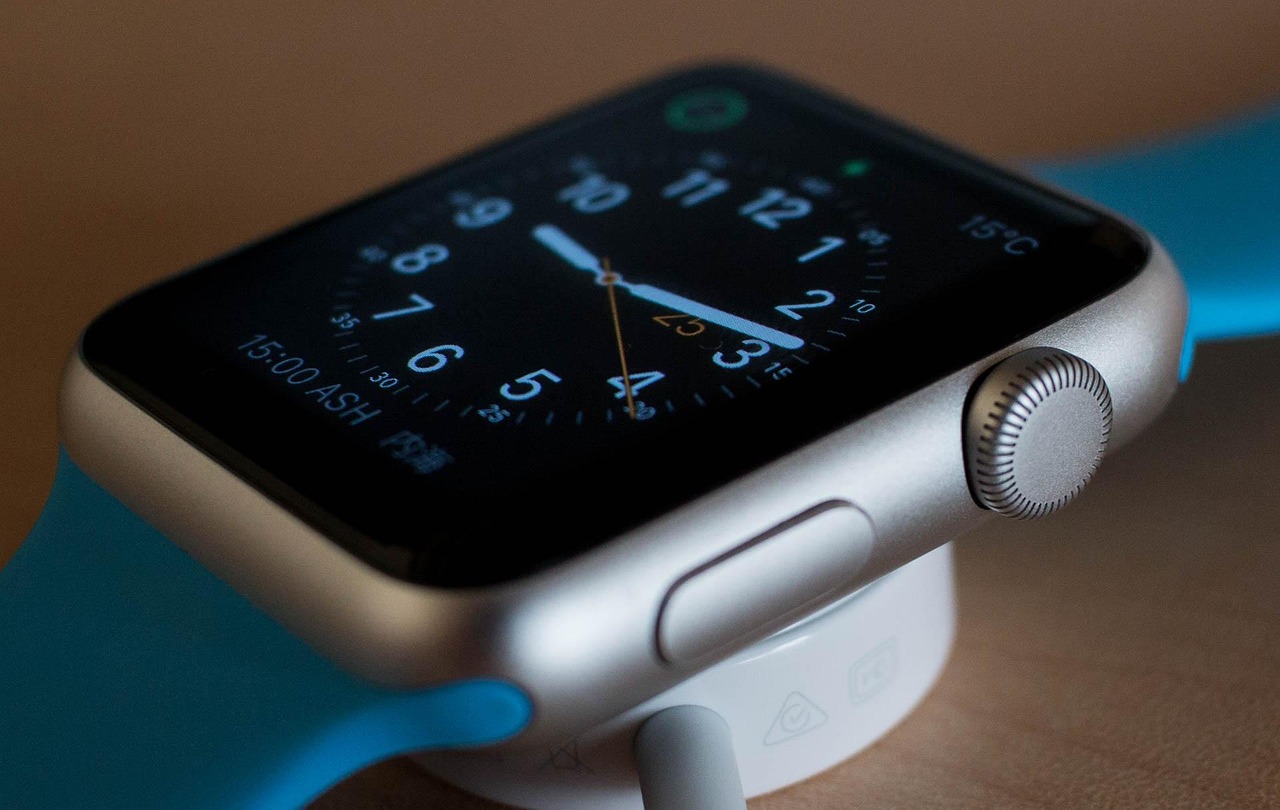

For years the tech press has whispered about a hidden gem in Apple’s product roadmap: a smartwatch that can read blood sugar without a needle. The idea has floated around like an Easter egg, generating excitement among diabetics, health enthusiasts, and speculators alike. Now, with the rumored Apple Watch 13 set to hit shelves in 2027, the chatter has gone from “maybe” to “possibly yes.”
From Series 7 Rumors to 2027 Reality
It all began in 2021 when an anonymous source tipped that the then‑upcoming Series 7 might feature a non‑invasive glucose sensor. Apple, known for its cautious secrecy, never confirmed or denied. Yet the seed planted in that year has sprouted into a full‑blown hypothesis that the next generation of watches will finally deliver on the promise.
Why the delay? A simple fact: measuring glucose accurately from the skin is a bioengineering nightmare. Transdermal sensors must penetrate the skin’s barrier, remain stable, and produce readings that match a finger‑stick. Apple’s team has likely spent years iterating, testing, and negotiating with regulators before any public debut.
Jeff Bo’s Bold Prediction
According to analyst Jeff Bo, the new feature could become the flagship selling point of the 13th generation. “It’s the kind of breakthrough that can redefine a category,” Bo told a recent conference. He added that the watch might even adopt a new name to highlight its health‑centric focus. “Think Apple Watch with Blood Monitoring,” he speculated, though no official details have surfaced.
Bo’s forecast is not without precedent. Apple has previously renamed products to underscore new capabilities—watchOS 9’s “Fitness+” or the iPhone’s “Photography Pro” mode. A fresh moniker for glucose monitoring would signal a definitive shift toward medical‑grade wearables.
Health Features, Legal Hurdles, and Market Position
Apple has long championed its health ecosystem. The SpO₂ sensor, a simple optical measurement of blood oxygen saturation, made headlines when it faced legal scrutiny in the United States. The FDA’s refusal to clear the feature for certain models forced Apple to pull it from some U.S. releases, illustrating the regulatory tightrope it walks.
Glucose monitoring would push Apple deeper into the medical device arena. The company would need to secure FDA clearance, which involves rigorous clinical trials and post‑market surveillance. Failure to meet these standards could result in costly recalls or, worse, legal action.
Competition Beyond Apple
Apple is not the lone pioneer. In China, several startups are racing to develop contactless glucose sensors using advanced spectrometry, micro‑fluidics, and machine learning. Some companies claim prototypes that read glucose levels with a skin‑contact patch, while others explore photonic sensors that detect changes in skin reflectance.
These rivals add pressure on Apple to accelerate its timeline. If a competitor releases a validated, consumer‑friendly glucose monitor first, Apple’s watch could be seen as an afterthought, regardless of its brand prestige. The tech industry thrives on first‑mover advantage, and the smartwatch space is no exception.
Practical Implications for Everyday Users
Even if the Apple Watch 13 delivers a reliable glucose readout, its real value will depend on how it integrates into users’ lives. For people with diabetes, a finger‑stick every hour can be tedious. A smartwatch that offers quick, on‑demand readings could reduce anxiety and improve adherence to treatment plans.
However, as with any health metric that hasn’t received formal medical endorsement, users should exercise caution. “Just because a reading looks good on your wrist doesn’t mean it’s a substitute for a calibrated glucometer,” cautions Bo. The watch could serve as a trend tracker—helping users spot spikes after a late‑night snack or see how exercise affects their levels—rather than a definitive diagnostic tool.
From a lifestyle perspective, the feature may appeal to the health‑conscious cohort already using Apple’s ecosystem. Imagine a scenario where your watch tells you your glucose is within a safe range so you can confidently enjoy a late‑night pizza without second‑guessing. That’s a small, everyday win that could attract new customers.
Looking Ahead: What Comes After 2027?
Assuming the Apple Watch 13 successfully incorporates non‑invasive glucose monitoring, the next question is sustainability. How will Apple maintain accuracy over time? Will the sensor require calibration or replacement? And what about battery life—will the extra data stream drain the watch faster?
Beyond the watch, Apple could expand its health portfolio. Integrating glucose data with Apple Health, providing AI‑driven insights, or partnering with health insurers for remote monitoring programs are all plausible next steps. The company’s track record of turning niche features into mainstream staples—think ECG, fall detection, or blood oxygen—suggests a future where the smartwatch becomes a central hub for personal health management.
In a world where wearables are increasingly expected to do more than just count steps, Apple’s potential leap into glucose monitoring could set a new industry standard. Whether the 2027 release lives up to the hype remains to be seen, but the conversation itself marks a milestone: the smartwatch is no longer a luxury accessory but a potential medical device.