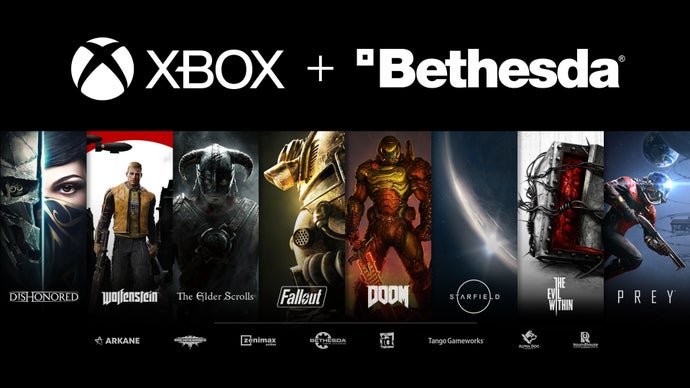

Bethesda Softworks, the video game publisher and developer owned by Microsoft, is shifting its organizational structure toward a “franchise-centric” planning model. The move is designed to concentrate resources on long-term growth and operational stability amid a wider restructuring at its parent company, Xbox.
The announcement was made by Bethesda’s leadership and confirmed through industry reports. The publisher is best known for major game franchises such as The Elder Scrolls, Fallout, and Starfield. The new planning strategy represents a significant departure from how the company previously managed its development pipeline and resource allocation.
What the shift means for Bethesda
Under the franchise-centric model, Bethesda will organize its development and publishing efforts around individual game series rather than around studio entities or project teams. This approach is intended to ensure that each major franchise receives dedicated attention and consistent investment over time.
Previously, Bethesda operated largely as a collection of semi-autonomous studios, including Bethesda Game Studios, id Software, Arkane Studios, and MachineGames. Each studio typically worked on its own projects with varying levels of oversight from the central publisher. The new model centralizes planning around franchise roadmaps, which could lead to more coordinated releases and shared resources across studios working on the same intellectual property.
The restructuring is part of a broader effort at Xbox to streamline operations following Microsoft’s $68.7 billion acquisition of Activision Blizzard, which closed in October 2023. Since then, Xbox has laid off approximately 1,900 employees across Blizzard, Xbox, and Bethesda. The franchise-centric model is seen as a way to avoid redundancies and focus development spending on the company’s most valuable intellectual properties.
Background on the restructuring
Microsoft’s acquisition of Activision Blizzard created one of the largest video game publishers in the world, bringing together franchises such as Call of Duty, World of Warcraft, Candy Crush, and Diablo under the same corporate umbrella as Halo, Forza, and the Bethesda portfolio. The integration has required significant organizational changes across the newly combined entity.
Bethesda’s shift to franchise-centric planning follows similar moves by other large publishers. Electronic Arts and Ubisoft have both adopted franchise-focused strategies in recent years, organizing teams around major series like FIFA, Madden, Assassin’s Creed, and Far Cry. These models typically involve dedicated leadership for each franchise and shared technology platforms across related projects.
The restructuring at Bethesda also comes amid a challenging period for the gaming industry. According to data from GDC and industry analysts, more than 10,000 game industry workers lost their jobs in 2023, and layoffs have continued into 2024. Publishers are under pressure to reduce costs, improve efficiency, and deliver consistent revenue from established properties rather than taking risks on new intellectual property.
Implications for game releases and quality
The new planning model could affect Bethesda’s release schedule and the quality of its games. With resources concentrated on fewer franchises, the company may be able to deliver more polished titles at more predictable intervals. However, critics of the franchise-centric model argue that it can stifle creativity and reduce experimentation, as studios become focused on maintaining existing brands rather than developing new ideas.
Bethesda has several major projects in development, including The Elder Scrolls VI and an expansion for Starfield. The company has not announced whether these projects will be affected by the restructuring. Industry watchers expect more details about the franchise planning approach to emerge during Xbox’s summer showcase events later this year.
Microsoft has not commented on whether the franchise-centric model will be adopted by other Xbox-owned studios, including Activision Blizzard or Xbox Game Studios. However, given the scale of the restructuring, analysts believe similar changes could be implemented across the broader organization over time.
Looking ahead
Bethesda’s transition to a franchise-centric planning model will be implemented over the coming months. The company is expected to reorganize its internal teams and establish franchise leads for its major series. No timeline has been provided for when the new structure will be fully operational.
The long-term success of this strategy will depend on how effectively Bethesda can balance the needs of its established franchises with the creative ambitions of its individual studios. As the gaming industry continues to consolidate and evolve, the franchise-centric model represents one of the dominant approaches to managing large-scale game development in an increasingly competitive market.
Source: GamesIndustry.biz