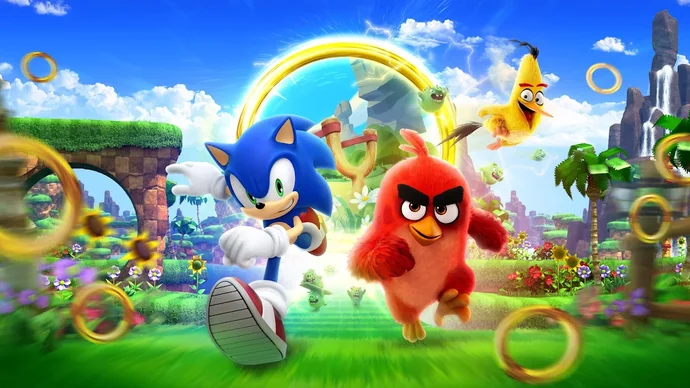

Japanese gaming conglomerate Sega Sammy completed its acquisition of Rovio Entertainment, the developer behind the Angry Birds franchise, for $776 million in 2023. The deal was intended to bolster Sega’s mobile gaming portfolio and expand its reach in the casual gaming market.
However, recent financial disclosures and operational reports indicate that the acquisition has not met performance expectations. Industry analysts have pointed to several factors behind the underperformance, including a rapidly saturating mobile gaming market and steep competition from newer, free-to-play titles.
Strategic Motivations Behind the Deal
At the time of the announcement, Sega executives described the acquisition as a strategic move to accelerate growth in the mobile sector. Rovio, best known for its Angry Birds series, had established itself as a leading mobile gaming publisher. Rovio’s existing intellectual property and studio network offered Sega a direct pipeline to a large, global user base.
The $776 million price tag was largely based on Rovio’s historical revenue streams and the forecasted value of its ongoing game operations. Rovio had demonstrated consistent profitability from its core titles, particularly through in-game advertising and microtransactions.
Post-Acquisition Performance Issues
According to Sega’s latest consolidated financial results, revenue contributions from Rovio’s portfolio have fallen short of internal projections. The company cited reduced player engagement and declining user acquisition efficiency as primary challenges.
Competition in the mobile gaming space has intensified since 2023. New entrants and established competitors, such as Supercell and King, have launched aggressively marketed titles that siphoned market share from Rovio’s existing offerings. Furthermore, changes to Apple’s App Tracking Transparency framework have continued to hamper targeted advertising, one of Rovio’s key revenue drivers.
Rovio had not released a major new hit title in the months leading up to the acquisition. Its reliance on a single intellectual property, Angry Birds, made the company vulnerable to shifts in user taste. Revenue from Angry Birds 2 and other spin-offs has plateaued.
Operational and Cultural Integration Difficulties
Reports also emerged of challenges integrating Rovio’s Finnish-based development team with Sega’s corporate structure. Finnish labor laws and union negotiations introduced additional costs that had not been fully accounted for during due diligence. Differences in corporate culture and decision making processes slowed the release of planned updates and new projects.
Sega management has publicly acknowledged that the integration process has taken longer than expected. In a recent investor call, a Sega representative stated that the company is now focusing on improving operational efficiency and streamlining development pipelines. The company also announced a review of Rovio’s spending on user acquisition campaigns.
Financial Revaluation and Market Reaction
In response to the underperformance, Sega has reportedly revalued the Rovio asset. The carrying value of the acquisition has been adjusted downward in recent fiscal statements. This impairment charge reflects the diminished expected future cash flows from the Rovio portfolio.
Market analysts have responded cautiously. Several investment firms have downgraded their outlook for Sega’s stock, citing concerns over the mobile division’s trajectory. The acquisition, initially hailed as a bold move, is now frequently cited in financial media as an example of the difficulties large publishers face when entering the mobile space.
Outlook and Next Steps
Sega has indicated it will continue to support Rovio’s existing game titles while prioritizing cost reductions. The company plans to launch new content updates for Angry Birds and explore cross-promotional opportunities with Sega’s existing franchises. Sega’s next quarterly report is expected to include more details on restructuring efforts and revised revenue targets for the mobile segment. The timeline for achieving profitability from the acquisition remains uncertain.
Source: GamesIndustry.biz