
Studio Head Confirms Return to Core Franchise Following Support Role
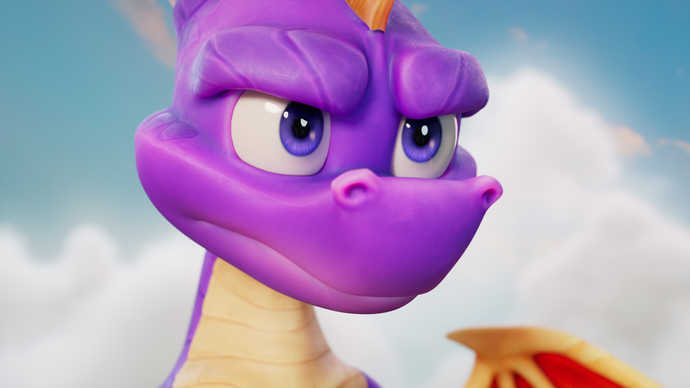
Toys for Bob, the developer behind the Spyro Reignited Trilogy and Crash Bandicoot 4, has confirmed its return to the Spyro franchise after a period supporting Call of Duty: Warzone. Studio head Paul Yan stated that the team is thrilled to be working on games that are closer to their creative roots.
The studio, which celebrated its 37th anniversary in April, was recently reassigned to Call of Duty development following a restructuring at parent company Activision Blizzard. This move temporarily shifted the team away from the platforming and action-adventure genres for which it is best known.
Yan told GamesIndustry.biz that the studio had been moving away from the types of games that are near and dear to their hearts. He described the return to the Spyro universe as a welcome change that aligns with the team’s long history of creating colorful, character-driven content.
Background and Studio History
Toys for Bob is one of the longest-running game development studios in North America. Founded in 1989, the studio initially focused on PC titles before transitioning to console development. It gained widespread recognition for the Skylanders franchise, which combined physical toys with video games, and later for the successful remaster of the original Spyro trilogy.
The Spyro Reignited Trilogy, released in 2018, was a critical and commercial success, restoring the classic PlayStation-era platformer for modern audiences. The studio followed this with Crash Bandicoot 4 in 2020, which received praise for its level design and gameplay mechanics.
In 2021, Activision shifted the studio to support the development of Call of Duty: Warzone, a battle royale title that required large, sustained development teams. This assignment lasted for several months before the team returned to its legacy franchises.
Implications for Future Development
The announcement indicates that Toys for Bob will focus on Spyro-related content for the foreseeable future. While specific project details were not disclosed, the confirmation suggests that the studio is now fully committed to the franchise rather than serving a support role on other titles.
The return to Spyro could signal new releases or additional remasters, though Yan did not confirm any specific games. The studio’s experience with both remastering classic titles and creating original content positions it well for future projects in the platforming genre.
For the broader gaming industry, this shift highlights the fluid nature of studio assignments within large publishers. Activision Blizzard frequently reassigns development teams based on project needs, a practice that has become more common across the sector in recent years.
The move also reflects a strategic focus on established intellectual properties following Microsoft’s acquisition of Activision Blizzard in 2023. The deal, valued at approximately $69 billion, placed major franchises such as Call of Duty, Crash Bandicoot, and Spyro under the Xbox umbrella.
Reactions and Industry Context
Community reaction to the news has been positive, with many fans expressing relief that the studio is returning to the franchise that defined its recent identity. The Spyro series has a dedicated fan base that has long called for new content or updated versions of the original games.
Industry analysts note that the decision to return Toys for Bob to Spyro development aligns with Microsoft’s strategy of leveraging nostalgic intellectual properties to build goodwill and attract subscribers to Xbox Game Pass. The service already includes both the Spyro Reignited Trilogy and Crash Bandicoot 4.
The studio’s 37-year history makes it one of the few remaining independent-minded developers within a larger conglomerate. Its longevity is attributed to its ability to adapt to changing market conditions while maintaining a consistent creative vision.
Toys for Bob did not announce a timeline for any forthcoming projects. However, given the studio’s track record of releasing polished titles, industry expectations point to a development cycle of at least one to two years before any new Spyro game reaches the market.
Source: GamesIndustry.biz