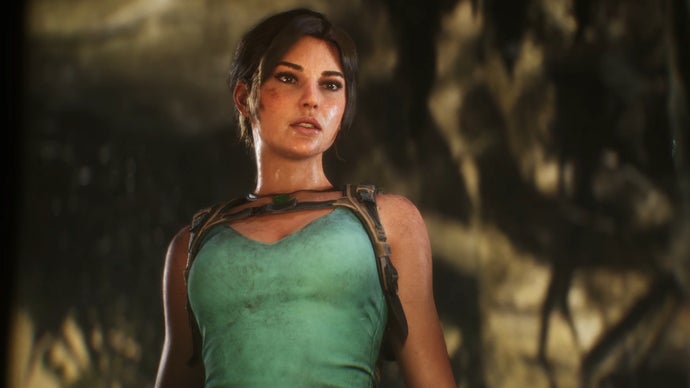

A leading video game developer has detailed its limited use of generative artificial intelligence in an upcoming title, clarifying that the technology is restricted to early conceptual work and is not employed for creating final, published assets.
crystal dynamics, the studio behind the long-running Tomb Raider series, provided this clarification to GamesIndustry.biz following online criticism. The backlash was triggered by a disclosure on the Steam store page for its next game, Tomb Raider: Legacy of Atlantis, which mentioned the use of AI tools.
The studio stated that generative ai is utilized solely for early prototyping. This phase involves quickly producing rough concepts for environments, character designs, or objects to explore creative ideas before committing to full development.
According to the statement, these early AI-generated prototypes are temporary. They are not used in the final game. The developer emphasized that all finished content, including textures, models, animations, and dialogue, is created entirely by human artists, designers, and writers.
The clarification comes amid growing debate across the entertainment and technology industries regarding the ethical and practical implications of generative AI. Many creatives have expressed concern that the technology could displace human workers or lead to a homogenization of artistic styles. Others see it as a potential tool to accelerate pre-production workflows.
Crystal Dynamics’ approach appears to position the technology as a productivity aid rather than a replacement for creative staff. By restricting AI use to the earliest stages of design, the studio aims to benefit from rapid iteration without relying on synthetic content for the final product.
This is not the first time a major game developer has faced scrutiny over AI. Several studios have recently faced similar controversies after revealing they used AI for voice acting, writing, or asset generation, often leading to demands for greater transparency from consumers and industry peers.
For Tomb Raider: Legacy of Atlantis, the disclosure on Steam is a direct signal to players about the development process. As public awareness of generative AI grows, such disclosures may become more common, allowing consumers to make informed choices about the products they support.
The specific timeline for the release of Tomb Raider: Legacy of Atlantis has not been officially announced. However, the clarification from Crystal Dynamics suggests the project remains in active development, with the prototyping phase potentially ongoing or recently completed.
As industry standards around AI disclosure and usage continue to evolve, Crystal Dynamics’ case may serve as an early example of how established studios balance technological innovation with artistic integrity and public trust. Stakeholders and players alike will be watching to see how these policies develop and whether other major publishers adopt similar guidelines.
Source: GamesIndustry.biz