
Microsoft’s Xbox division has confirmed that decisions regarding console exclusivity for its first party games will be made on a “case by case” basis going forward. The announcement came during the opening of the company’s summer showcase, where it simultaneously clarified the launch status of two major upcoming titles.
The confirmation effectively ends speculation that all previously exclusive Xbox titles would eventually migrate to competing platforms, such as the PlayStation 5. Instead, Microsoft signaled a flexible strategy that will evaluate each game individually based on factors including development context, market conditions, and franchise goals.
No PlayStation Release for Gears of War E day
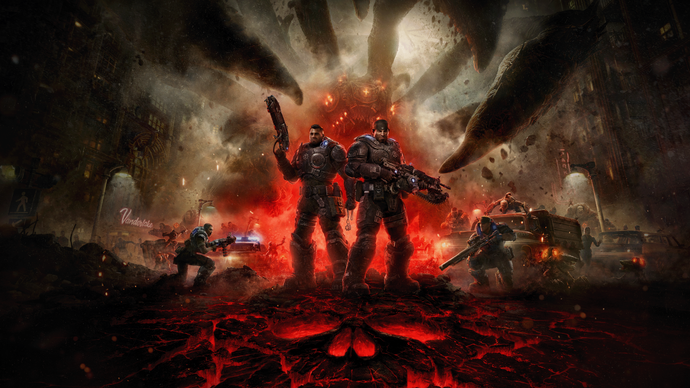
During the showcase, Xbox confirmed that the upcoming title “Gears of War E day” will not be released on the PlayStation 5. This announcement directly addressed rumors that had circulated in the gaming community suggesting the iconic franchise might expand to Sony’s console.
Similarly, the company stated that “Clockwork Revolution,” a role playing game developed by inXile Entertainment, will also remain exclusive to Xbox and PC platforms. Both titles are being developed by studios owned by Microsoft.
Background to the Exclusivity Debate
The question of console exclusivity has become increasingly complex in the gaming industry. In recent years, Microsoft has released several previously exclusive titles on rival platforms, including the Nintendo Switch and PlayStation consoles. Games such as “Minecraft,” “Ori and the Will of the Wisps,” and select titles from the “Elder Scrolls” franchise have launched on non Xbox hardware.
This approach has led to uncertainty among consumers and investors about Microsoft’s long term hardware strategy. The company has repeatedly stated that it aims to reach as many players as possible, but has also emphasized the importance of maintaining a competitive advantage for its Xbox console ecosystem.
Industry Context
The decision to evaluate exclusivity on a per title basis is not unique to Microsoft. Sony Interactive Entertainment has also adopted a similar strategy in recent years, releasing former PlayStation exclusives such as “Horizon Zero Dawn” and “Days Gone” on PC. However, major franchise entries typically remain tied to their respective hardware launches.
Industry analysts have observed that such flexibility allows platform holders to optimize revenue from legacy titles while preserving the value of their flagship console launches. The approach also acknowledges the growing importance of subscription services, such as Xbox Game Pass, where catalog breadth is a key competitive factor.
Implications for Gamers and Developers
For consumers, the case by case policy means that the exclusivity status of any given Xbox game cannot be assumed until officially confirmed. This introduces an element of uncertainty for players who may prefer to wait for a potential multiplatform release.
For game developers working under Microsoft’s publishing umbrella, the policy offers clarity that not all projects will automatically be ported to other consoles. This can influence development timelines, resource allocation, and marketing strategies for individual titles.
The Xbox summer showcase did not provide a specific timeline for when decisions on future games would be announced. The company indicated that announcements will be made on a per game basis as each title approaches its release window.
Source: GamesIndustry.biz