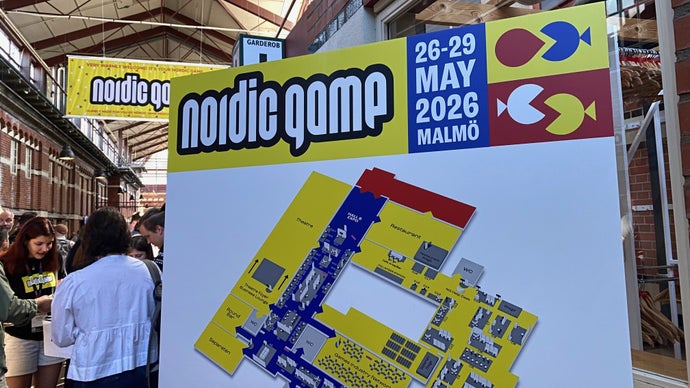

The Nordic Game conference returned to Malmö this week, drawing developers and publishers from across Europe for an event that balanced celebration with an undercurrent of economic pressure in the indie sector. While the event featured a strong focus on Scandinavian studios, the show floor reflected a distinctly multinational presence, with exhibitors from Germany, Ukraine, and Moldova among others.
One of the standout moments of the conference was the People’s Choice Award, which was voted on by attendees. The award went to Lootbound, a game developed by a Moldovan studio, signaling the widening geographic reach of the Nordic Game community. However, the event’s atmosphere, described by participants as full of smiles, also masked a more difficult reality for many independent developers facing funding constraints and market saturation.
Key Titles and Developer Presence
Among the notable titles showcased at the conference was DDoD, a roguelike shooter developed by The Future Entertainment Company, a Ukrainian studio. The game is set in a vast industrial wasteland and combines tense, loot-based mechanics with a distinct visual style. The developer described the project as a cross between Stalker and Diablo, drawing attention for its giant mutant snails and immersive gameplay loops.
The presence of Ukrainian and Moldovan developers highlighted a broader trend at Nordic Game 2026. Smaller studios from Eastern Europe used the event to network with potential publishers and partners, a crucial step for survival in a competitive global market. Despite the festive atmosphere, several developers privately noted that securing funding and distribution remains a significant hurdle.
Industry Context and Economic Realities
The conference occurred against a backdrop of ongoing volatility in the video game industry. Layoffs and studio closures have affected both large and small teams over the past year, and independent developers have been hit particularly hard. While Nordic Game provided a platform for optimism and collaboration, the underlying financial pressures were a recurring topic of discussion among attendees.
Organizers reported a strong turnout for panel sessions focused on sustainability, publishing deals, and alternative revenue models. These discussions underscored the necessity for indies to adapt to changing consumer behavior and platform policies. The event served as both a celebration of creativity and a reminder of the structural challenges facing the sector.
Regional and Global Implications
The multinational flavor of Nordic Game 2026 reflects a shift in how smaller developers approach international exposure. For studios from countries like Moldova and Ukraine, attending such conferences can be a lifeline for building industry connections. The success of Lootbound in winning a community-voted award suggests that audiences are increasingly open to titles from non-traditional game development regions.
Meanwhile, the Scandinavian focus of the event remains strong, with local studios continuing to produce highly anticipated projects. The conference provided a snapshot of a diverse ecosystem, where regional pride coexists with global ambition. Analysts noted that the mix of established Nordic studios and emerging Eastern European teams could lead to more cross-border partnerships in the coming year.
Looking ahead, industry observers expect that the conversations started at Nordic Game 2026 will lead to concrete publishing agreements and collaborative development projects. The next edition of the conference is already being planned, and organizers have indicated a continued emphasis on international participation. The challenges facing independent developers are unlikely to disappear quickly, but events like Nordic Game offer a vital space for networking and mutual support.
Source: GamesIndustry.biz