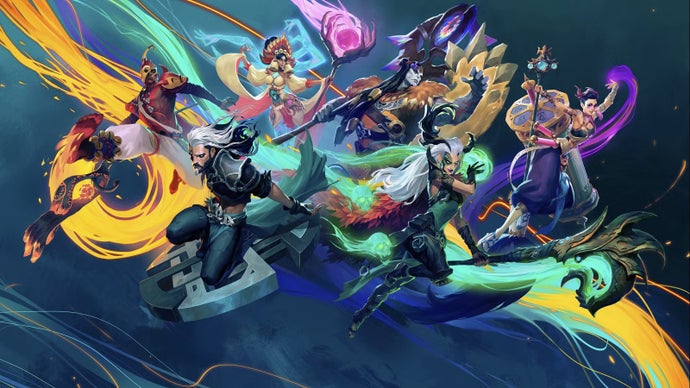

French video game developer Quantic Dream has confirmed the cancellation of its first multiplayer title, Spellcasters Chronicles, just three months after its initial launch. The announcement was made via a company update on LinkedIn, marking the end of the studio’s first foray into live-service and competitive gaming.
The decision to shut down the project was disclosed in a post on the professional networking platform. Quantic Dream stated that the game would no longer receive support or updates, effectively ending its lifecycle shortly after release. The announcement did not specify a precise date for the termination of server access, but the move signals a significant strategic pivot for the studio.
Background and Context of the Project
Spellcasters Chronicles was a free-to-play, team-based multiplayer game that blended magic combat with tactical gameplay. The title was originally released on PC via Steam, marking a departure from Quantic Dream’s established reputation for narrative-driven, single-player experiences such as Detroit: Become Human, Heavy Rain, and Beyond Two Souls.
The developer, headquartered in Paris, France, had positioned Spellcasters Chronicles as its gateway into the competitive online market. The game was designed to appeal to players seeking strategic, fantasy-themed battles with a live-service model that promised ongoing updates and seasonal content. However, the game failed to gain significant traction within the highly competitive multiplayer landscape.
Reasons for the Cancellation
Quantic Dream has not publicly detailed the specific financial or operational reasons behind the cancellation. However, industry analysts point to several factors that likely contributed to the decision. The multiplayer market, particularly for free-to-play titles, is notoriously difficult to sustain without a large, active player base and consistent monetization.
User reviews on Steam for Spellcasters Chronicles were mixed, with players frequently citing technical issues, a lack of engaging content at launch, and difficulty in matching with other players. The inability to maintain a healthy concurrent player count often leads developers to cut losses on server costs and development resources, a pattern that appears to have repeated here.
Additionally, Quantic Dream has been undergoing internal restructuring in recent years. The studio was acquired by NetEase Games, a major Chinese technology conglomerate, in 2022. This acquisition was intended to provide the financial backing for Quantic Dream to expand into new genres, but it also comes with increased pressure to deliver commercially viable products. The rapid cancellation of Spellcasters Chronicles may reflect a shift in priority toward projects with clearer return on investment.
Implications for the Developer’s Future
The cancellation of Spellcasters Chronicles represents a clear setback for the studio’s ambition to diversify its portfolio. Quantic Dream has historically relied on high-budget, cinematic single-player games, a style that has garnered critical acclaim but often operates on tight margins due to long development cycles. The failure of this multiplayer project may slow the studio’s planned expansion into the live-service sector.
Despite this setback, the studio remains active. Quantic Dream continues to support its earlier single-player titles on various platforms and is widely rumored to be working on several new projects under the NetEase umbrella. While no official announcements have been made regarding those projects, the cancellation of their first multiplayer effort suggests that the studio will likely return to its core strengths in storytelling and immersive single-player experiences for the foreseeable future.
Looking Ahead
At this stage, Quantic Dream has not released a timeline for the permanent shutdown of Spellcasters Chronicles servers. Players who have made purchases within the game may be eligible for refunds, though the studio has not yet clarified a formal process. Industry observers will be watching closely to see how the developer rebalances its project pipeline in the wake of this cancellation.
Source: GamesIndustry.biz