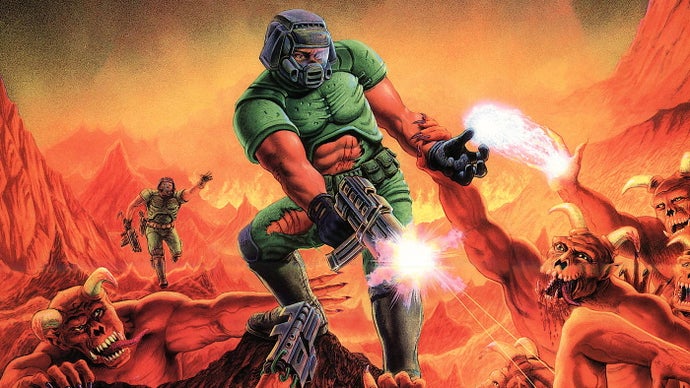

The original soundtrack for the 1993 video game Doom has been selected for preservation by the United States Library of Congress. The audio work will be formally inducted into the National Recording Registry, a list of recordings deemed culturally, historically, or aesthetically significant.
The Library of Congress made the announcement as part of its annual list of 25 recordings added to the registry. The Doom soundtrack is among the selections for the 2024 induction cycle. The registry now includes over 600 recordings that are preserved for future generations.
Background on the soundtrack
The Doom soundtrack was composed by Robert Prince, a musician who worked for id Software, the developer of the game. The music is known for its heavy use of synthesized metal and industrial sounds. It was created using a software tool called the SoundBlaster card, which was a common sound card for personal computers at the time.
The soundtrack is considered a pioneering work in video game music. It helped establish the use of aggressive, rhythmic audio to enhance gameplay. The music is tied closely to the fast-paced action of the game, where players control a space marine fighting demons on Mars and in Hell.
Significance of the induction
This marks the first time a video game soundtrack has been added to the National Recording Registry. The selection highlights the growing recognition of video game music as a legitimate and important art form. The Library of Congress noted that the soundtrack is an example of how digital technology changed music production and distribution.
The induction places the Doom soundtrack alongside other iconic recordings in the registry, such as albums by Aretha Franklin, The Beatles, and speeches by Martin Luther King Jr. The registry aims to preserve audio works that reflect the nation’s cultural heritage.
Criteria for selection
The National Recording Registry selects recordings that are at least ten years old and that demonstrate cultural, historical, or aesthetic importance. Nominations are submitted by the public and reviewed by the National Recording Preservation Board. The board includes experts from the music industry, academia, and preservation fields.
The Doom soundtrack was nominated because of its influence on video game audio and its role in the evolution of digital music. It is considered a key artifact from the early 1990s, a period when video games transitioned from simple beeps and boops to complex, immersive soundscapes.
Implications for video game preservation
The inclusion of a video game soundtrack in the National Recording Registry could have broader implications for the preservation of video game history. It signals a shift in how cultural institutions view interactive media. The Library of Congress already has a video game preservation initiative, but this is the first time a specific game soundtrack has been singled out for the recording registry.
Video game music has long been a subject of academic study and fan appreciation. The Doom soundtrack, in particular, has been remixed, covered, and sampled by musicians for decades. Its recognition by the Library of Congress may encourage more formal efforts to archive game audio.
Official statements
The Library of Congress provided a statement explaining that the Doom soundtrack was selected because it represents a milestone in the use of audio in interactive entertainment. The statement noted that the music is an integral part of the game’s overall impact and cultural footprint.
Representatives from id Software and composer Robert Prince have not yet issued public comments regarding the induction. The official induction ceremony is expected to take place later this year.
The National Recording Registry was established by the National Recording Preservation Act of 2000. Its goal is to maintain a collection of recordings that are important to the nation’s audio legacy. The full list of 2024 inductees includes works from 1903 to 2003.
The Doom soundtrack will be added to the registry alongside other newly inducted recordings, including albums by Madonna, John Denver, and the musical score from the film “The Wiz.” The Library of Congress plans to release the full list of inductees later this week.
The permanent preservation of the Doom soundtrack ensures that future generations will have access to this piece of video game history. It also underscores the growing acceptance of video games as a medium worthy of cultural recognition. The Library of Congress continues to accept nominations for future inductees through its website.
Source: GamesIndustry.biz