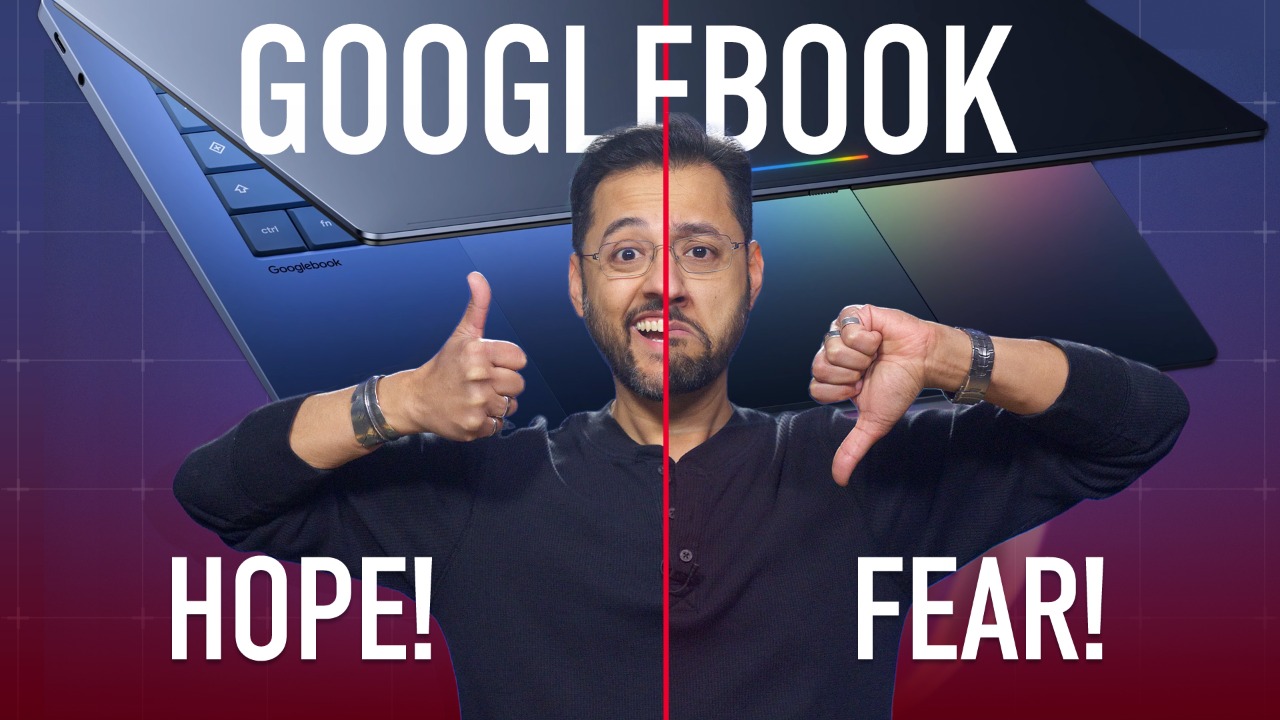

Google is preparing to extend its influence into the hardware market with a unified vision for laptop computing, a move that industry observers say could redefine productivity but also carries significant risks for the company. The initiative, which has been described internally as ambitious, aims to create a seamless integration between Google’s software ecosystem and dedicated hardware, potentially challenging established players like Apple and Microsoft.
The plan, which has been the subject of recent reports, centers on creating a more controlled and cohesive user experience. Sources familiar with the matter indicate that Google intends to leverage its Chrome OS platform and Android app compatibility to build a laptop that feels more like a natural extension of its mobile services. This approach would prioritize cloud connectivity, voice commands, and AI-driven assistance, moving away from the traditional file-and-folder model of personal computing.
Market Implications and Competitive Landscape
The potential impact on the laptop market is substantial. If successful, Google could capture a significant share of the education and enterprise sectors, where Chromebooks have already gained a foothold. The promise of a unified system that syncs effortlessly with smartphones and tablets could appeal to consumers seeking a simpler, more integrated digital life.
However, the strategy is not without peril. The company has a mixed track record with hardware ventures. Previous attempts to create a dominant hardware platform have faced challenges, including supply chain issues and higher than expected production costs. Analysts caution that entering the premium laptop segment directly pits Google against entrenched competitors with deep customer loyalty and established retail presence.
Technical and Strategic Challenges
From a technical standpoint, building a fully integrated laptop requires more than just software. It demands tight control over components, thermals, and battery life to deliver a consistent experience. Industry experts note that achieving this level of integration is difficult and expensive. Google’s reliance on third-party manufacturers for key components could complicate quality assurance and limit profit margins.
On the strategic side, the move could alienate existing hardware partners. Many original equipment manufacturers (OEMs) rely on Chrome OS for their own laptop lines. A direct competitor entering the same space could strain these relationships, potentially driving partners toward Microsoft’s Windows or other operating systems. Balancing partner loyalty with Google’s own hardware ambitions will be a delicate act.
Reactions from the Tech Community
Reaction within the tech industry has been mixed. Supporters argue that a first-party Google laptop could set a new standard for security and simplicity. The tight integration of hardware and software could close vulnerabilities associated with less controlled environments. Detractors, however, point to Google’s past struggles with customer support and product longevity as significant hurdles. A bad first impression could tarnish the broader Chrome OS brand, they warn.
Privacy advocates have also raised concerns about data collection. A deeply integrated laptop could give Google unprecedented access to user behavior, from browsing habits to offline document editing. The company has not yet detailed its privacy safeguards for such a device, leaving room for speculation and potential regulatory scrutiny in markets like the European Union.
User Expectations and Usability
For end users, the core question remains whether a Google laptop will offer features that are genuinely new and useful. The appeal hinges on the device performing reliably offline and online, without the glitches that have plagued some early Chromebooks. The success of the initiative will likely depend on execution at scale, including robust support channels and clear upgrade paths.
The company is reportedly aiming for a launch that aligns with its next major software update cycle, though no firm date has been announced by Google. Market watchers expect a release within the next 12 to 18 months, assuming production targets are met.
In summary, the prospect of a Google laptop is both promising and perilous. It represents a logical step for a company seeking to control the full user experience from search to screen. Yet it also introduces risks that could undermine the company’s broader ecosystem if not executed precisely. The tech world will be watching closely to see if Google can turn its vision into a reliable reality.
Source: Mashable