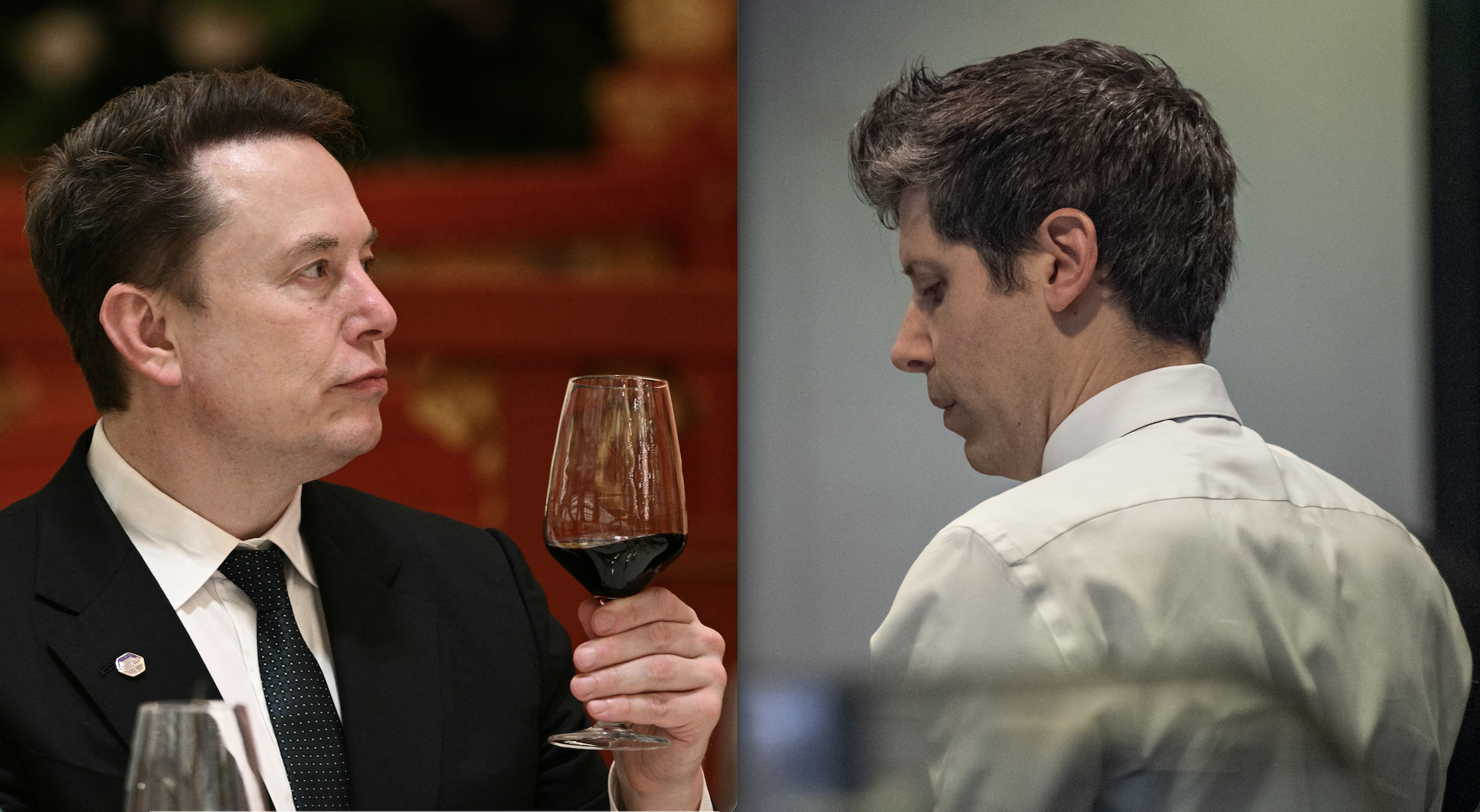

A federal jury in Oakland, California has begun deliberations in the high profile civil case of Elon Musk versus Sam Altman and other defendants, following the conclusion of closing arguments. The case, which centers on the future control and direction of artificial intelligence company OpenAI, now rests largely in the hands of Judge Yvonne Gonzalez Rogers, who will ultimately decide key aspects of the company’s corporate structure.
The trial, which took place in the United States District Court for the Northern District of California, has drawn significant attention from the technology sector and financial markets. The core dispute involves allegations from Musk regarding the governance and profit motives of OpenAI, an organization he co-founded. The nine person jury is tasked with weighing factual evidence presented over the course of the proceedings.
Background of the Legal Dispute
The legal action was initiated by Elon Musk, who alleged that OpenAI and its leadership, including Sam Altman, had strayed from the company’s original non profit mission. Musk claimed that the organization had improperly prioritized commercial interests over its stated goal of developing artificial general intelligence for the benefit of humanity. The defendants, including Altman and the company itself, have denied these allegations, asserting that their actions were consistent with the company’s evolving strategic needs.
Judge Yvonne Gonzalez Rogers has presided over the case, which has involved complex arguments about corporate law, contractual obligations, and the rapidly changing landscape of artificial intelligence development. Her role is expected to be decisive, particularly on questions related to the legal remedies available to the parties.
The Role of the Jury and the Judge
While the jury will determine specific factual questions, such as whether any contractual agreements were breached, Judge Gonzalez Rogers holds authority over the final legal outcome. This includes the power to issue injunctions, order financial damages, or mandate structural changes to OpenAI. Legal experts following the case have noted that the judge’s prior rulings have indicated a careful approach to balancing innovation with legal precedent.
The jury’s deliberations began after several weeks of testimony from technology executives, legal scholars, and financial analysts. The court heard arguments regarding the valuation of OpenAI, the nature of its partnership with Microsoft, and the ethical responsibilities of its board of directors.
Implications for the Technology Industry
The outcome of this trial has significant implications for the governance of AI companies. A verdict against OpenAI could set new legal standards for how technology startups transition from non profit to for profit structures. Conversely, a ruling in favor of the defendants could reaffirm broad discretion for corporate boards in changing business models.
Observers have also pointed out that the case highlights ongoing tensions between the original visionaries of AI development and the current executive leadership. The decision will likely influence future investment and regulatory approaches in the sector.
Closing arguments presented both sides of the conflict in stark terms. The plaintiff’s legal team argued that the defendants had engaged in deceptive practices regarding OpenAI’s mission. The defense maintained that the company’s actions were lawful and necessary to secure funding for advanced research.
As deliberations continue, the court has not set a specific timeline for a verdict. The judge is expected to deliver a final ruling on the legal questions within several weeks after the jury reaches its findings. This case is widely seen as a landmark proceeding that will shape the corporate governance of artificial intelligence entities for years to come.
Source: GeekWire