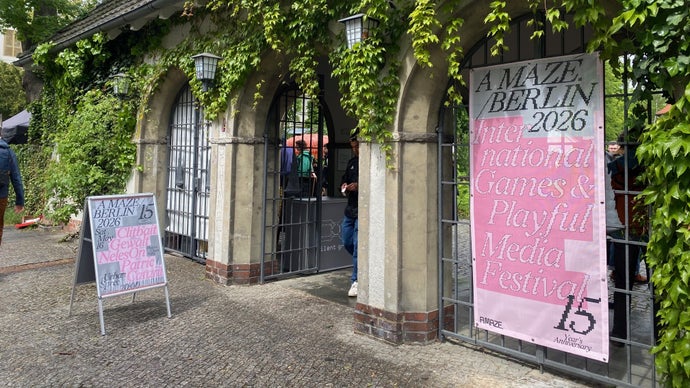

The A Maze indie games festival returned to Berlin this year, marking its 15th anniversary. The event, which took place in the German capital, serves as a gathering point for independent game developers and industry professionals. Coverage of the festival has highlighted ongoing discussions about the tools shaping the future of game development.
The festival has long been a venue for debating the direction of the industry. This year, a significant portion of the conversation centered on the Godot game engine. Developers at the event presented arguments and reports on why Godot is becoming a more viable and advocated platform for game creation. This shift in focus reflects a broader industry trend toward open-source and accessible development tools.
Background on the Event
A Maze Berlin was established 15 years ago as a festival for independent games and interactive art. It has since grown into a key event on the international indie game calendar. The 2026 edition continued this tradition by providing a platform for developers to showcase new projects and discuss industry challenges. The location in Berlin allows for a strong European and international attendee presence.
The festival typically includes talks, workshops, and networking opportunities. This year, the advocacy for Godot emerged as a central theme. Developers demonstrated how the engine can be used for a variety of projects, from 2D platformers to complex 3D environments. The discussions were not solely technical; they also explored the community and business implications of adopting such a tool.
Implications for Game Development
The report from the festival indicates a growing consensus among some developers that Godot offers a strong alternative to proprietary engines. Proponents at A Maze Berlin argued that the open-source nature of Godot provides greater control and customization for studios. They also highlighted its active community and continuous updates as key advantages.
This advocacy is taking place against a backdrop of economic and structural changes in the gaming industry. Smaller studios are looking for cost-effective solutions that do not compromise on quality. Godot, being free to use and modify, fits this requirement. The festival discussions suggested that more developers are considering it for commercial releases.
Reactions and Industry Context
Attendees and speakers at the event provided factual statements regarding their experiences with Godot. They noted improvements in the engine’s performance and toolset. The presentations were not promotional in nature but rather informative, sharing real-world examples of projects built with the technology. The goal was to present Godot as a serious contender in the engine market, not to disparage existing options.
The debate over engine choice is an ongoing one in the development community. Larger studios often rely on established engines like Unity or Unreal Engine. However, the indie sector has historically been more willing to experiment. The advocacy seen at A Maze Berlin suggests that Godot is gaining traction specifically within this segment of the market. The factual feedback from the festival indicates that developers value the engine’s transparency and community governance.
Technical Considerations
Godot uses its own scripting language, GDScript, which simplifies the learning curve for many programmers. The engine also supports C# and visual scripting. This versatility was cited as a reason for its increasing adoption. Developers at the festival provided examples of how these features allowed for faster iteration and prototyping.
The engine is designed to be lightweight, which makes it suitable for a range of hardware. This is a practical consideration for indie teams who may not have access to high-end testing equipment. The reports from A Maze Berlin emphasized that these technical attributes, combined with the zero-cost license, make Godot an attractive option for developers worldwide.
The festival concluded with a focus on the future of these tools. Speakers projected continued growth for Godot, driven by an expanding user base and improvements to the engine itself. The next steps for many teams involve integrating Godot into their production pipelines more fully. Official timelines for version updates were discussed, but no specific dates were provided for major releases.
Source: Delimiter Online based on reports from A Maze Berlin and GamesIndustry.biz