
Nintendo President Breaks Down the Reasoning Behind Recent Console and Component Price Increases
Nintendo president Shuntaro Furukawa has clarified the company’s decision to raise prices on its hardware lineup, stating that the increases are a direct result of sustained component costs and broader market conditions. The explanation comes after the company quietly updated pricing for the Nintendo Switch 2 and other systems across major markets including Japan, the United States, Canada, and Europe.
Speaking to shareholders and reporters, Furukawa attributed the price adjustments to “current market conditions” rather than any single factor. He noted that ongoing global supply chain pressures and elevated costs for semiconductors and other critical components have persisted longer than initially anticipated. These sustained expenses, combined with fluctuating currency exchange rates and higher logistics fees, have forced the company to revise its pricing structure.
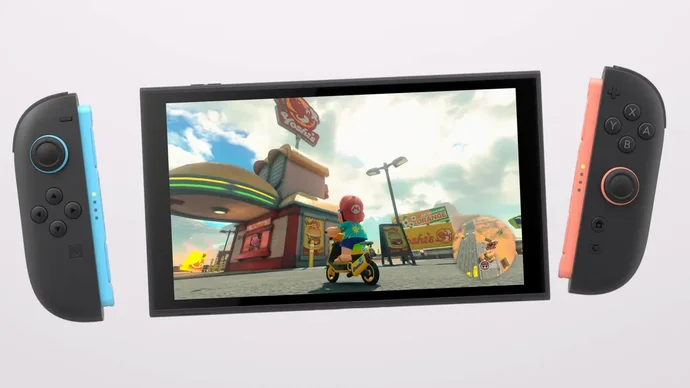
The Nintendo Switch 2, a highly anticipated successor to the original hybrid console, saw its recommended retail price increase by roughly 10 to 15 percent in several regions. In Japan, the base model now sells for approximately 49,980 yen, up from earlier projections. In the United States, the price moved from an expected $399 to $449, while European markets saw similar adjustments. The company also raised prices on the original Nintendo Switch OLED model and select accessories.
Market Context and Customer Impact
Industry analysts had speculated that Nintendo might absorb some of these rising costs to maintain its competitive edge, but the company’s decision signals that the pressure on hardware margins has become unsustainable. Furukawa emphasized that the increases are not a temporary measure but reflect a recalibration to align with the current cost environment.
“We have worked hard to keep our hardware accessible, but the reality of the component market and overall production economics leaves us with no choice,” Furukawa said during a briefing. He added that the company remains committed to delivering value through its software ecosystem and first-party titles, which have not seen price increases at this time.
The price adjustments affected preorders and retail availability immediately. Some retailers reported a short term drop in preorder volumes following the announcement, but analysts expect demand to recover as the launch date approaches. Nintendo has not disclosed exact sales projections for the revised pricing period.
Broader Industry Trends
Nintendo is not alone in facing these headwinds. Sony raised the price of the PlayStation 5 in several regions last year, and Microsoft has indicated that it is evaluating its own pricing strategy for the next generation of Xbox hardware. The entire gaming hardware sector has been grappling with higher silicon costs, transportation bottlenecks, and inflation across key manufacturing hubs in Asia.
Furukawa also addressed concerns about affordability, particularly in developing markets where currency devaluation has compounded the issue. He said the company is exploring region specific strategies, including localized bundles and trade in programs, to mitigate the impact on budget conscious consumers.
Supply Chain Realities
The semiconductor shortage that began in 2020 has eased slightly, but costs for advanced chips used in gaming consoles have remained elevated. Nintendo relies on custom chips from Nvidia and other suppliers, and those contracts are being renegotiated at higher rates. Additionally, shipping container costs, while down from pandemic peaks, are still significantly above pre 2020 levels.
Furukawa declined to speculate on future price trends but confirmed that the company would continue to monitor component and logistics costs closely. He did not rule out further adjustments if conditions worsen, though he expressed hope that the current round of increases would be sufficient for the near term.
Implications for the Nintendo Switch 2 Launch
The Nintendo Switch 2 is expected to launch in mid 2025, with a strong lineup of first party and third party titles. The higher price point may affect initial adoption rates, but Nintendo’s strong brand loyalty and exclusive game franchises are expected to sustain demand. Preorder data from major retailers in Japan and the United States shows that early interest remains high.
Furukawa reiterated that the new hardware represents a significant generational leap and that the price reflects the advanced capabilities of the system, including improved graphics, faster load times, and enhanced battery life. He urged consumers to evaluate the overall value proposition rather than focusing solely on the upfront cost.
Next Steps for Consumers
For those planning to purchase the Switch 2, analysts recommend acting early on preorders, as supply may be constrained at launch. Retailers in several regions have already reported strong early demand, and limited supply could drive prices above retail on secondary markets.
Nintendo has not announced any changes to its subscription services or digital game pricing. The company continues to offer the Nintendo Switch Online service at existing rates, which some see as a balancing factor for the overall cost of ownership.
Source: Delimiter Online