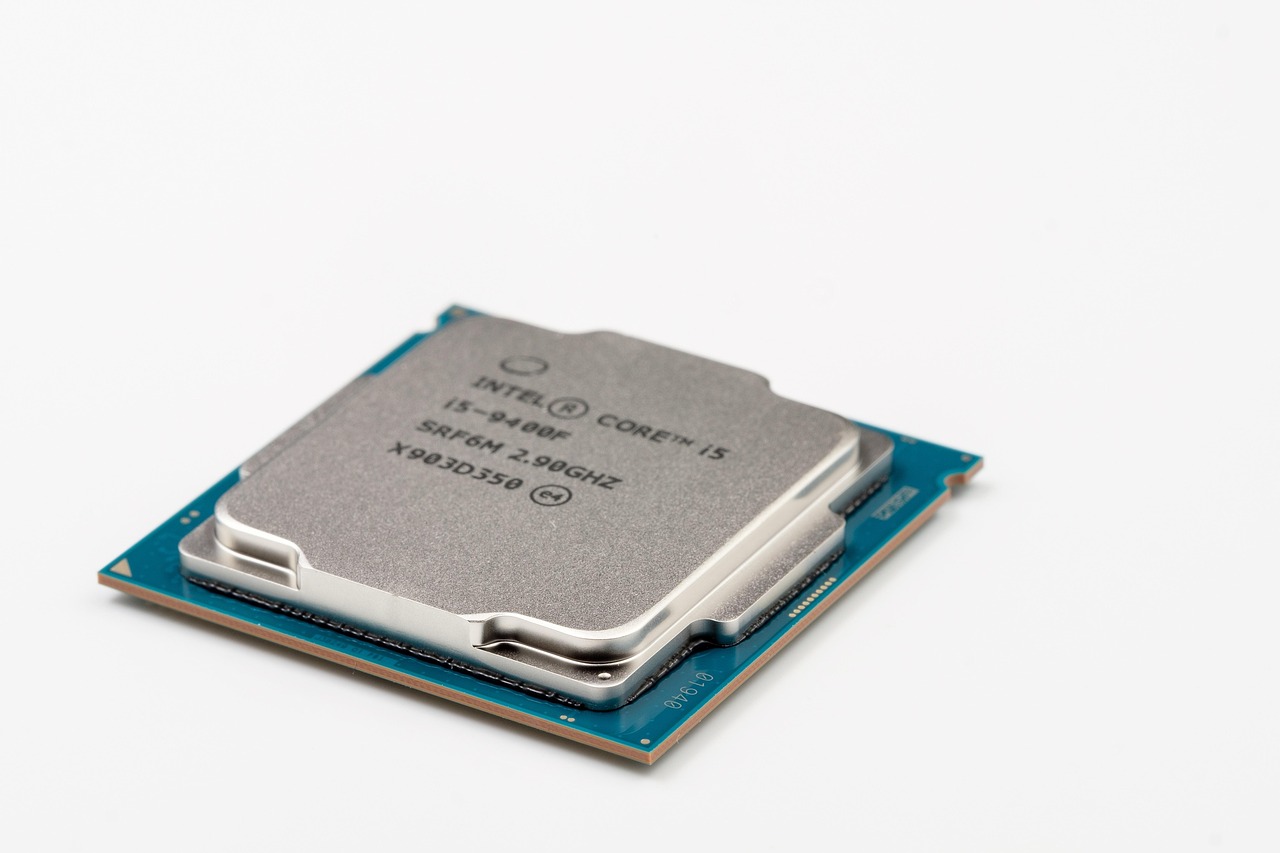

Intel Corporation’s share price has increased by approximately 490 percent over the past twelve months, a market rally that industry observers say reflects investor optimism which may have moved ahead of the company’s actual operational recovery. The semiconductor giant, long considered a bellwether for the global chip industry, has seen its valuation climb sharply despite ongoing challenges in its manufacturing and product roadmaps.
Market rally versus operational reality
Wall Street’s bet on Intel represents one of the most dramatic reversals in recent tech stock history. The company, which struggled through a period of market share losses and production delays, has regained investor confidence amid speculation about its foundry strategy and potential government support under the US CHIPS Act.
However, analysts caution that the stock’s meteoric rise may be pricing in a turnaround that has not yet materialized in hard financial results. Intel’s most recent quarterly earnings reports showed mixed performance, with revenue recovery still lagging behind pre-pandemic levels in some divisions.
Background to the rebound
Intel’s struggles became pronounced after 2020, when it lost its long-held process technology lead to competitors such as Taiwan Semiconductor Manufacturing Company (TSMC) and Samsung. The company’s delayed transition to smaller chip nodes allowed rivals to capture key markets, particularly in high-performance computing and mobile processors.
In response, Intel launched an aggressive restructuring plan under chief executive Pat Gelsinger. The strategy includes a pivot to becoming a major contract chip manufacturer, or foundry, while also improving its internal product designs. The foundry push is central to the investor narrative, as it positions Intel to compete in a market projected to grow substantially over the decade.
Key factors driving the stock
Several elements have contributed to the share price surge. First, the US government’s CHIPS and Science Act, signed into law in 2022, allocated billions of dollars in subsidies for domestic semiconductor production. Intel is a primary beneficiary of these funds, given its commitment to build advanced fabrication facilities in Ohio, Arizona, and other states.
Second, the broader artificial intelligence boom has lifted the entire semiconductor sector. While Intel has not been the primary beneficiary of AI chip demand, which has largely flowed to NVIDIA, investors appear to believe that Intel’s foundry services could eventually attract AI-related clients.
Third, Intel has made some technical progress. The company began shipping its Intel 4 and Intel 3 process nodes, and has outlined a roadmap to regain manufacturing parity with competitors by 2025 or 2026.
Risks and skepticism among analysts
Despite the stock’s performance, a number of financial analysts maintain a cautious rating on Intel shares. The primary concern is that the foundry business remains unprofitable and faces fierce competition from established players like TSMC. Building a foundry business from within a traditionally integrated design and manufacturing company presents significant cultural and operational barriers.
Additionally, Intel’s core PC and server chip markets face persistent pressure from AMD, which has gained market share with its Zen architecture. The company’s data center and AI group has not yet delivered the revenue growth that would justify a near fivefold increase in stock price.
Broader implications for the tech sector
Intel’s situation reflects a larger trend in which technology stocks have rallied strongly since late 2022, driven by interest rate expectations and enthusiasm for AI. However, the gap between valuations and underlying business fundamentals has raised questions about market sustainability.
For the global semiconductor industry, Intel’s turnaround attempt is significant because it represents an effort to restore Western manufacturing capacity after decades of offshore production. A successful Intel recovery could reshape supply chains and reduce reliance on Asian foundries, particularly for advanced chips used in defense and critical infrastructure.
Looking ahead
Intel is scheduled to report its next quarterly earnings in late April. Investors will be watching for concrete evidence that the foundry business is gaining traction with external customers, as well as updates on the timeline for its 20A and 18A process node launches, which are critical to the company’s claims of technological parity. The company has also indicated it will provide further details on the allocation of CHIPS Act funding during the year. Whether the stock can maintain its valuation will depend on Intel’s ability to convert investor optimism into measurable revenue and profit growth in the coming quarters.
Source: Delimiter Online