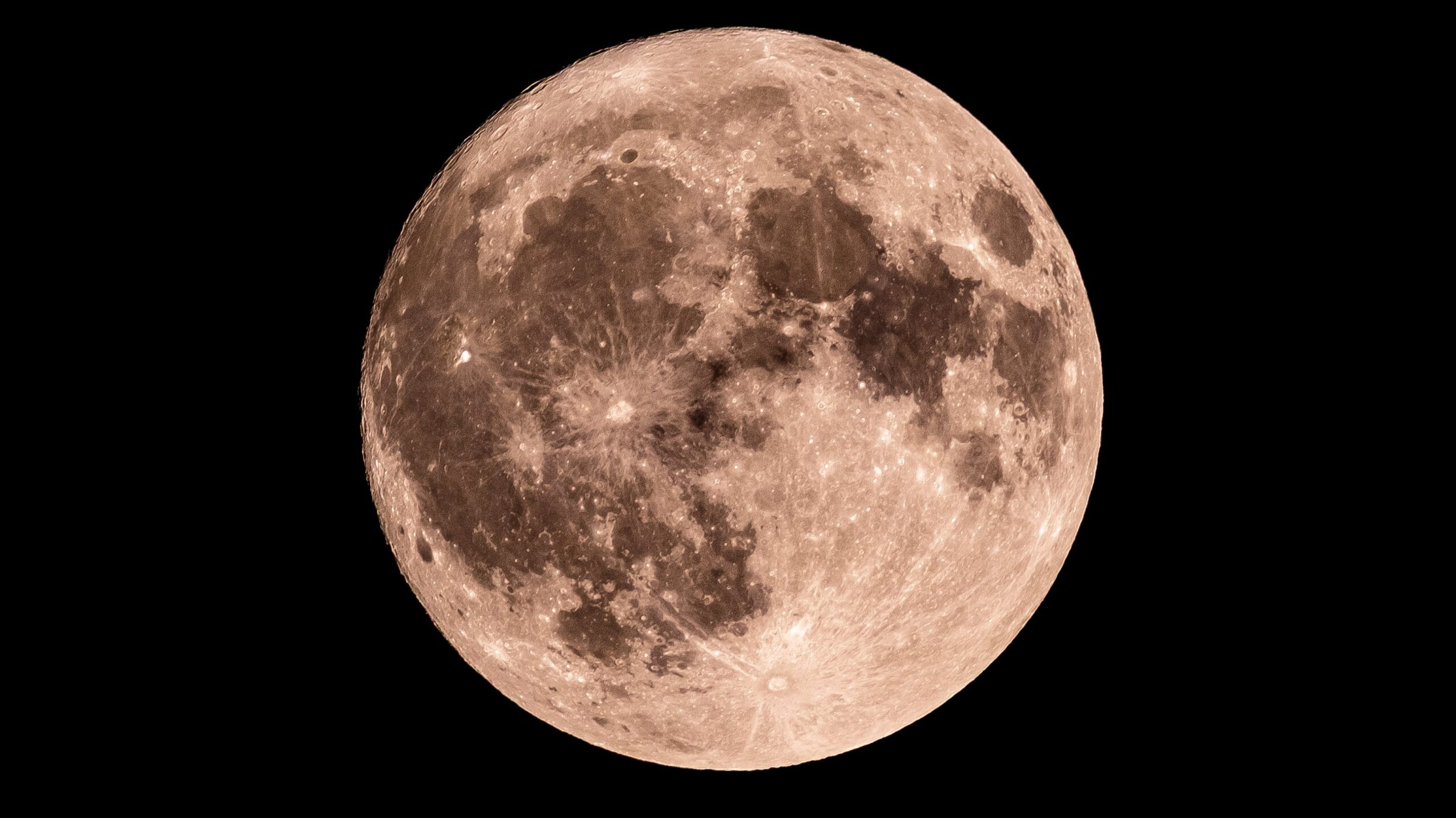

The Moon is currently in a Waning Phase, losing illumination each night as it moves toward the new moon. Observers around the world can see the Lunar disk transitioning toward the Third Quarter phase on May 8.
The day before the Third Quarter, the Moon is approximately 50% illuminated. During this stage of the lunar cycle, the Moon is only half lit again, though on the opposite side compared to the First Quarter phase. This change occurs as the Moon progresses in its orbit toward the new moon, when it will be completely dark.
Understanding the Lunar Cycle
The lunar cycle, which lasts approximately 29.5 days, consists of several distinct phases. The current waning gibbous phase follows the full moon and precedes the Third Quarter. During the Third Quarter, exactly half of the Moon’s visible surface is illuminated from Earth’s perspective.
Astronomers explain that the Moon’s phases result from its changing position relative to Earth and the Sun. As the Moon orbits Earth, different portions of its sunlit side become visible. The Third Quarter phase occurs when the Moon has completed three quarters of its orbit around Earth since the new moon.
Visibility and Timing
The Third Quarter moon typically rises around midnight and sets around noon local time. This means it is most visible in the early morning hours and during the predawn sky. For viewers in the Northern Hemisphere, the Moon will appear half lit on the left side, while observers in the Southern Hemisphere will see illumination on the right side.
Weather conditions can affect visibility. Clear skies offer the best viewing opportunities, while cloud cover may obscure the moon entirely. The Moon will remain visible throughout the night for those in favorable viewing locations.
Scientific Significance
The current lunar phase holds significance for both amateur astronomers and researchers. The reduced light levels during the waning phase provide darker skies, making it an optimal time for observing deep sky objects such as galaxies and nebulae.
For those tracking lunar events, the Third Quarter marks a transition point in the lunar cycle. After this phase, the Moon will continue to wane toward the new moon phase, scheduled to occur in the coming days.
The waning crescent phase will follow the Third Quarter, eventually leading to the new moon. During the new moon, the Moon will be positioned between Earth and the Sun, making it invisible from Earth except during solar eclipses.
Educational Value
Understanding lunar phases helps explain basic astronomical principles. The consistent cycle allows educators and students to track predictable changes in the night sky. Many schools use lunar phase observations as introductory astronomy exercises.
The current phase also affects tidal patterns. Ocean tides are influenced by the Moon’s gravitational pull, with the highest tides typically occurring during full and new moons. During the Third Quarter, tidal ranges are generally smaller.
Source: Mashable