
Rebellion, the video game developer and publisher known for the Sniper Elite and Alien vs. Predator series, has expanded its commercial interests into the costume and prop industry, according to a recent report.
The company, which also owns the 2000 AD comic book publisher, operates a subsidiary focused on creating high quality costumes, props, and display items. This move represents another step in the company’s strategy to diversify its revenue streams beyond traditional video game development and publishing.
Background and Corporate Structure
Rebellion was founded in 1992 by brothers Jason and Chris Kingsley. Over the past three decades, the company has grown from a small development studio into a multi faceted entertainment group. In addition to its core video game business, the company acquired the British comic book publisher 2000 AD in 2000. This acquisition gave Rebellion ownership of iconic comic characters such as Judge Dredd.
The costume and prop division functions as a separate business unit within the larger Rebellion organization. It produces items for film, television, and live events. The company has not disclosed the full financial details of this operation, but industry sources indicate it is a growing part of the firm’s overall portfolio.
Market Implications
The costume and prop market is a niche but established sector within the broader entertainment industry. It serves clients ranging from major film studios to independent theaters and cosplay enthusiasts. Rebellion’s entry into this market leverages its existing intellectual property portfolio.
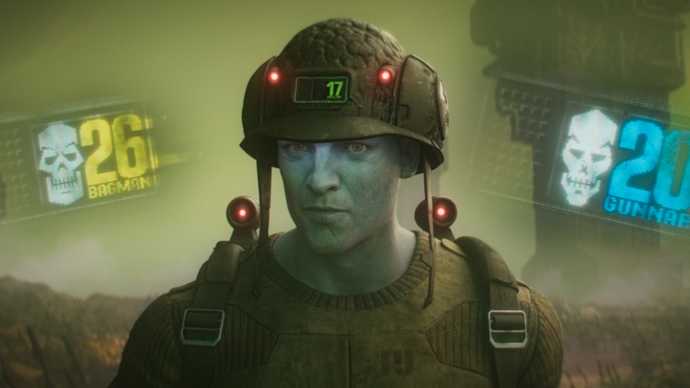
Characters owned by 2000 AD, such as Judge Dredd, Strontium Dog, and Rogue Trooper, have strong visual identities that are well suited for costume and prop production. The company can now produce licensed merchandise using its own in house manufacturing capabilities. This vertical integration allows Rebellion to capture more value from its IP than through traditional licensing arrangements alone.
Strategic Context
Rebellion’s diversification strategy is part of a broader trend in the video game industry. Major companies are increasingly seeking multiple revenue streams to reduce dependence on individual game launches. Sales cycles, development delays, and changing player preferences can significantly impact a single game’s financial performance.
By branching into physical goods production, Rebellion gains exposure to the stable, recurring revenue generated by merchandise sales. These products have longer shelf lives than video games and can generate income years after initial release. The costumes and props also serve as marketing tools that promote the company’s game and comic properties.
Reaction and Analysis
Industry analysts have noted that Rebellion’s move is relatively unusual for a mid sized game developer. Most companies of similar size focus exclusively on software development, outsourcing merchandise production to third party licensees. Rebellion’s decision to build its own manufacturing capability represents a significant capital investment.
The company has not publicly stated whether it plans to offer costume and prop services to external clients, or whether the division will focus exclusively on Rebellion owned IP. If Rebellion opens its production facilities to third parties, it could compete with established prop makers like Weta Workshop and Propshop.
Future Outlook
Rebellion continues to expand its business operations across multiple entertainment sectors. The costume and prop division is expected to launch its first product lines in the coming months. These items will likely include replicas from the Judge Dredd and Rogue Trooper universes.
The company may also use its new manufacturing capabilities to create promotional materials for upcoming game releases. Rebellion has several titles in development, including a new entry in the Sniper Elite series. Physical merchandise tied to these launches could boost pre release excitement and generate additional revenue.
Source: GamesIndustry.biz