
The broader artificial intelligence stock market has experienced a notable cooldown in recent weeks, following a period of sustained growth and high investor expectations. However, one AI-driven trading platform has continued to generate consistent signals for users, according to a recent report from Mashable.
Investor enthusiasm for AI-related equities has been a dominant theme in global markets throughout much of this year. Major technology companies have seen significant share price increases, driven by optimism around generative AI and large language models. That momentum has slowed, with several leading AI stocks pulling back from their peaks.
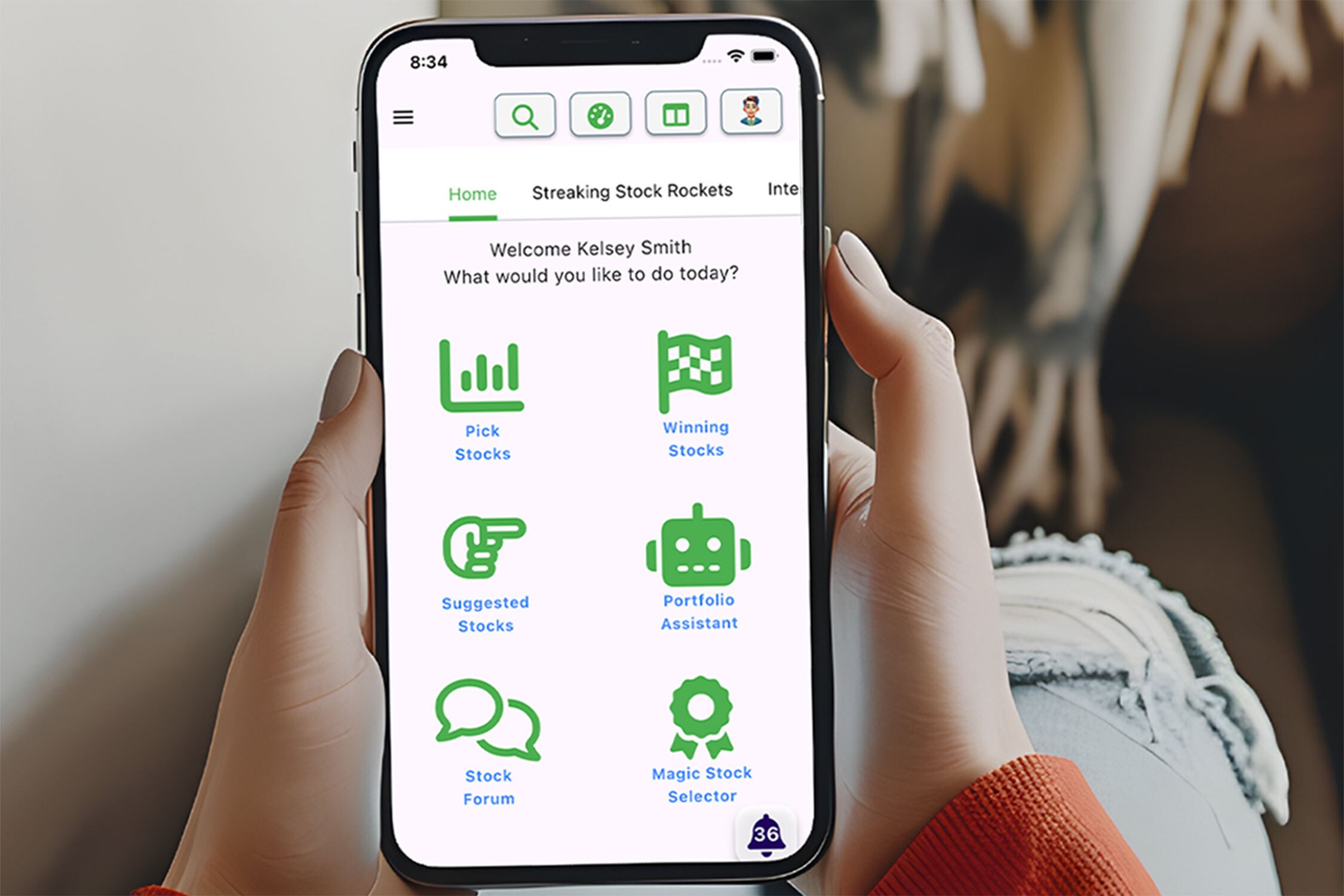
Against this backdrop, a software tool that relies on OpenAI’s ChatGPT to assist with stock selection and portfolio management has maintained its performance. The platform, known as Sterling Stock Picker, uses natural language processing to analyze market data and provide trading recommendations.
Platform functionality and market timing
The tool is designed to help users identify potential investment opportunities by processing vast amounts of financial information using ChatGPT’s language capabilities. It generates clear buy, sell, or hold signals based on technical analysis, news sentiment, and fundamental data.
According to the report, the platform has continued to deliver actionable signals even as the broader AI trade has lost some of its momentum. This suggests that the underlying algorithm may be less dependent on sector-specific hype and more attuned to individual stock fundamentals.
The timing of this performance note is relevant. The cooling of AI stocks has raised questions among analysts about whether the sector has entered a correction or merely a period of consolidation. While growth rates for some companies remain strong, valuations have come under scrutiny, leading to increased volatility.
Implications for retail investors
Tools that use AI to democratize access to market analytics have gained traction among retail investors seeking an edge. The ability to parse complex datasets quickly and generate trading signals is a key selling point, particularly for those without access to institutional-grade research.
The Sterling Stock Picker platform is part of a growing category of consumer-facing AI applications in finance. These range from simple chatbot interfaces that answer basic investment questions to more sophisticated systems that execute trades based on algorithmic strategies.
Industry observers note that the performance of such tools during periods of market uncertainty is a critical test. If an AI system can provide value when the overall sector is under pressure, it may demonstrate robustness beyond its initial hype cycle.
Context of AI in financial services
The use of AI in financial markets is not new, but the public availability of powerful language models has accelerated interest. Many traditional hedge funds and asset managers have used machine learning for years, but consumer-facing AI trading tools are a more recent phenomenon.
Regulators in multiple jurisdictions have begun paying closer attention to AI-driven financial products. Concerns include potential for misuse, lack of transparency in algorithmic decision-making, and the risk of market manipulation through automated systems.
Despite these challenges, demand for AI-enhanced investing tools has remained strong. The Sterling Stock Picker platform is one example of how developers are integrating conversational AI into practical financial applications.
The company behind the tool offers a lifetime subscription model, which has been promoted through online channels. However, the product’s longevity and ability to adapt to changing market conditions remain unknown factors, as is typical for newer software in this space.
Financial advisors caution that no tool can guarantee investment returns, and AI systems are only as good as the data they are trained on. Market dynamics can shift rapidly, and past performance does not necessarily predict future results.
Looking ahead
As the AI stock sector continues to recalibrate, attention will likely turn to how AI tools perform under varying market conditions. Developers of these platforms will need to demonstrate sustained accuracy and adaptability to retain user confidence.
Next steps for the broader industry may include clearer regulatory guidance on AI-generated financial advice and more rigorous testing of algorithmic trading systems. The coming quarters will provide additional data on whether the current cooldown in AI stocks represents a temporary pause or a more significant shift in investor sentiment.
Source: Mashable